Antarctica Photography Expedition: What Daily Life was Like
What a trip! 18 months in planning, many spreadsheets, lots of research, trade-in some lenses for new ones and still nothing could have prepared me for it. I’ve been to some remote places to photograph before, or so I thought, but Antarctica is on another level, which I can only imagine could be bested by a trip to the moon!
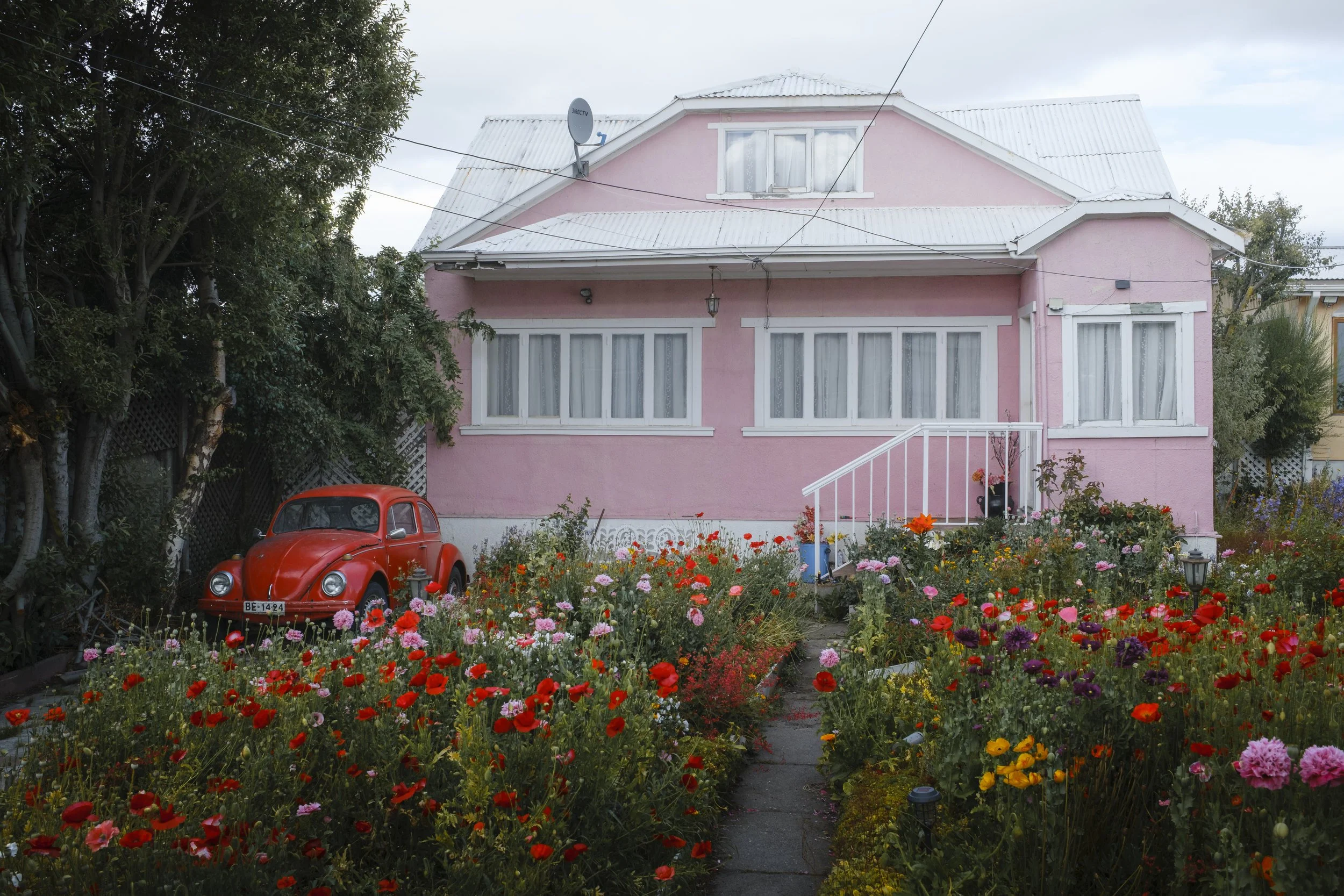
Arriving in Punta Arenas
Not all trips to Antarctica start here, but ours did. Ushuaia and Puerto Natales are other options. Our trip included a charted flight from Punta Arenas to the gravel airstrip on King George Island.
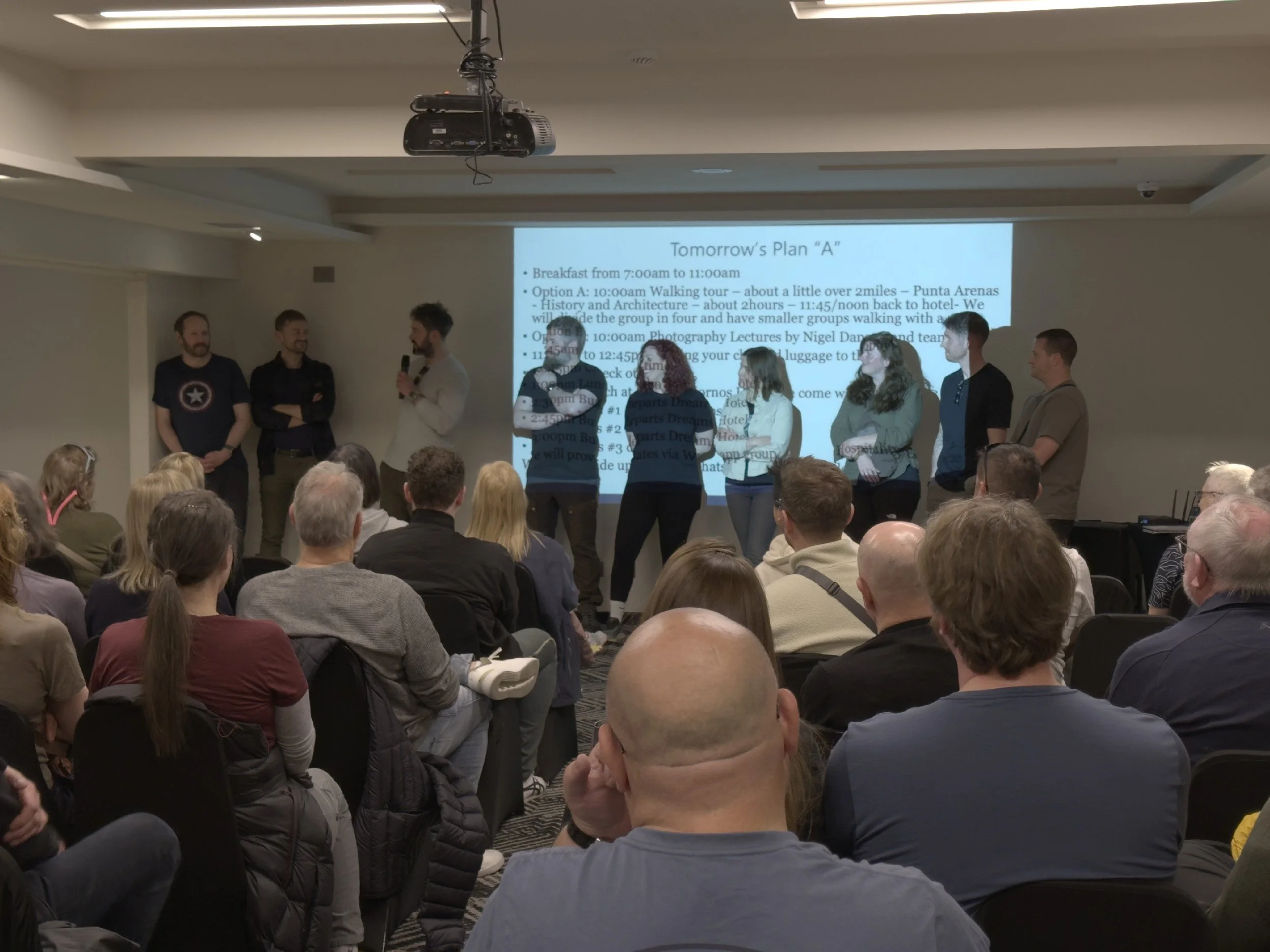
The first couple of days included briefings from the photography leads and the tour operator (Aurora Expeditions), opportunities to explore Punta Arenas including a walking tour and the first time. We got to meet the rest of the guests on the tour, and put faces to names we’d seen on our pre-trip WhatsApp group.
Of course, we had an evening getting to know each other in one of the local boozers. The local beer in Punta Arenas is great! The pub conversation inevitably turned towards cameras and photography.
In order to land on King George Island, you need the weather conditions to be just right. More specifically, the cloud base has to be above a certain level. There are no landing guidance systems at the air base and the approach to the strip of flat gravel is visual. Many trips to Antarctica have been delayed due to bad weather over the South Shetland Islands.
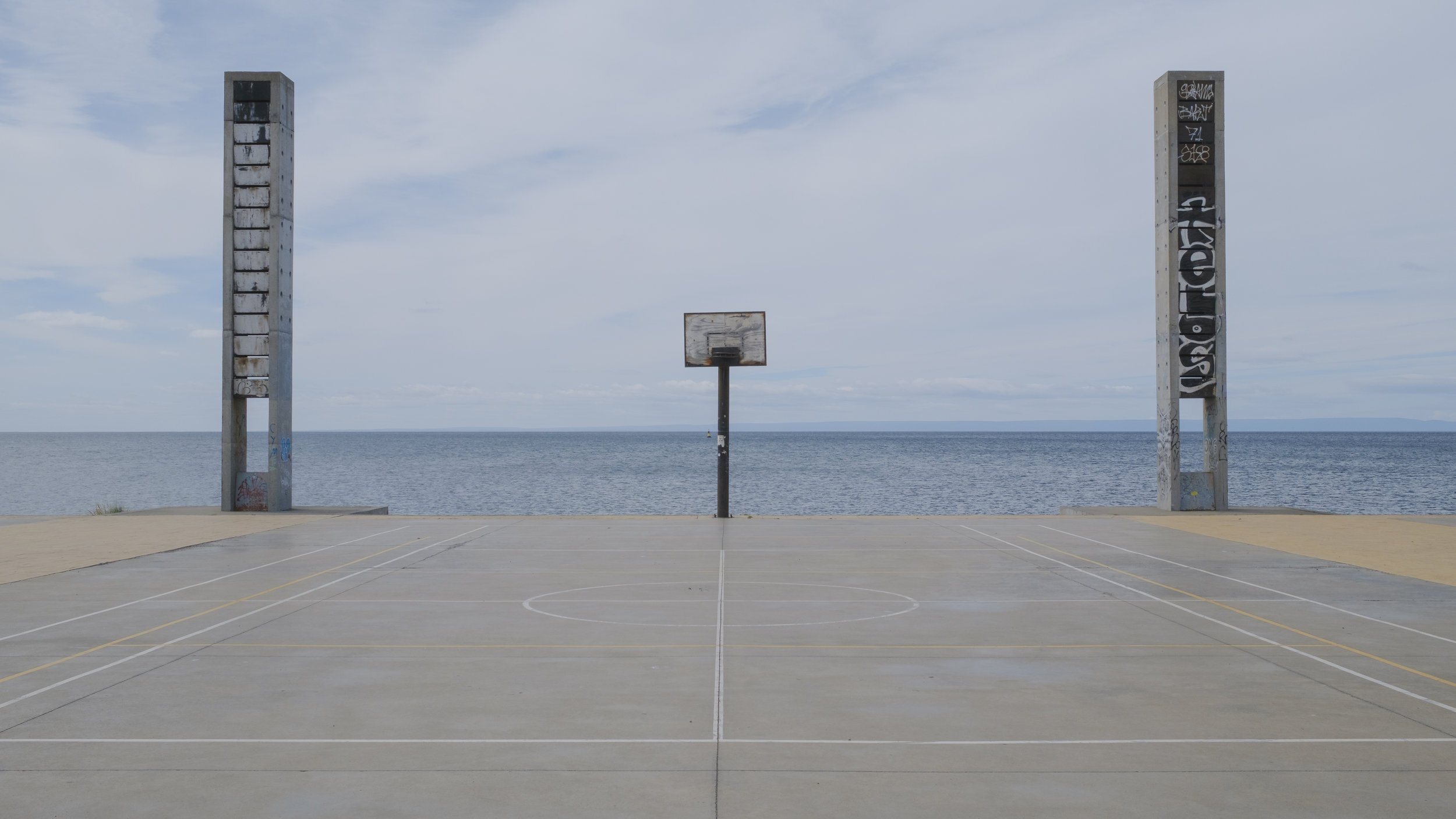
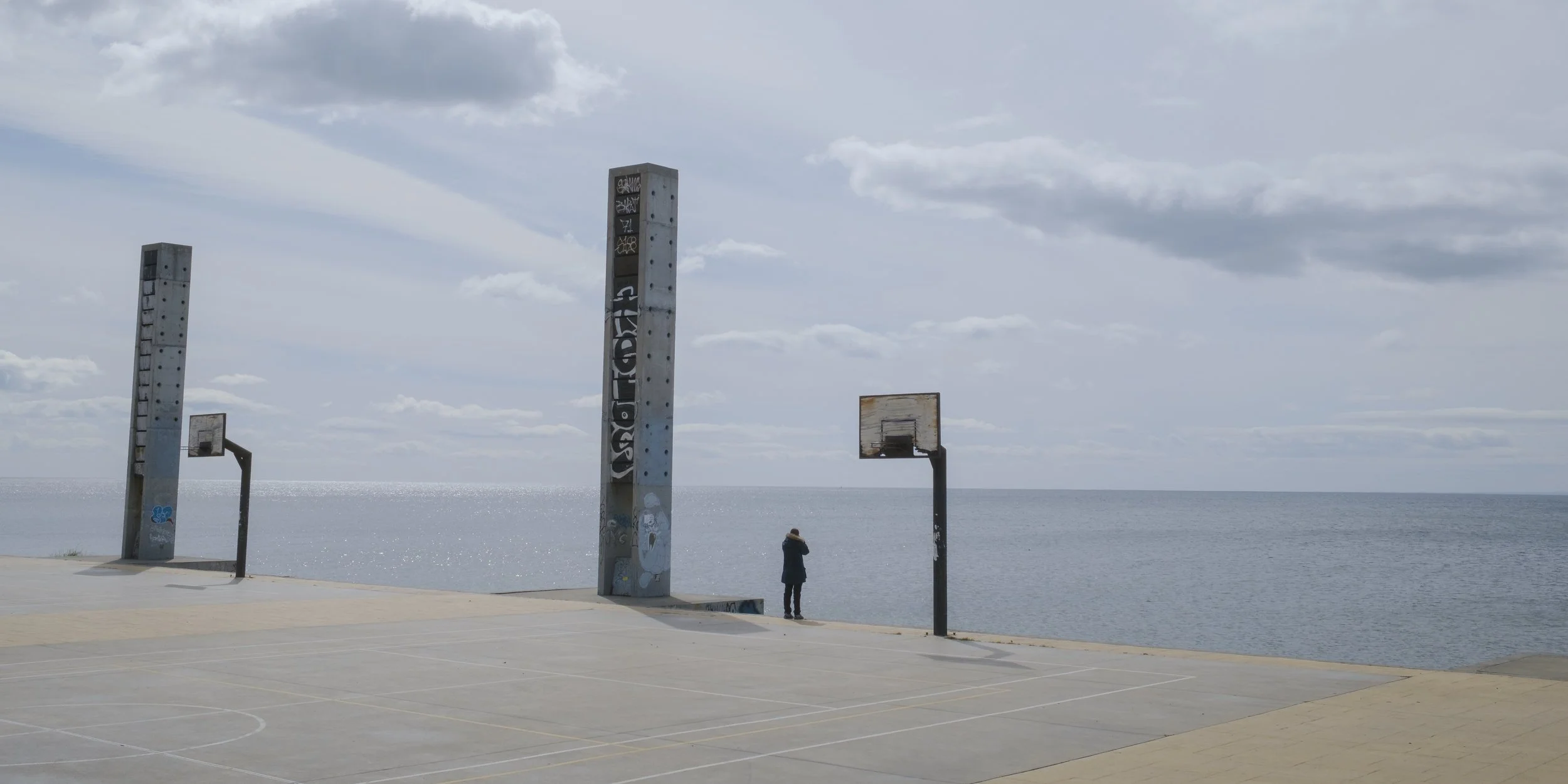
The day came. Everything was happening so quickly, excitement was increasing exponentially and before long we found ourselves split into two groups, one for each charter plane and shuttled to the airport.
We were lucky. The weather was fine, no delays for us!
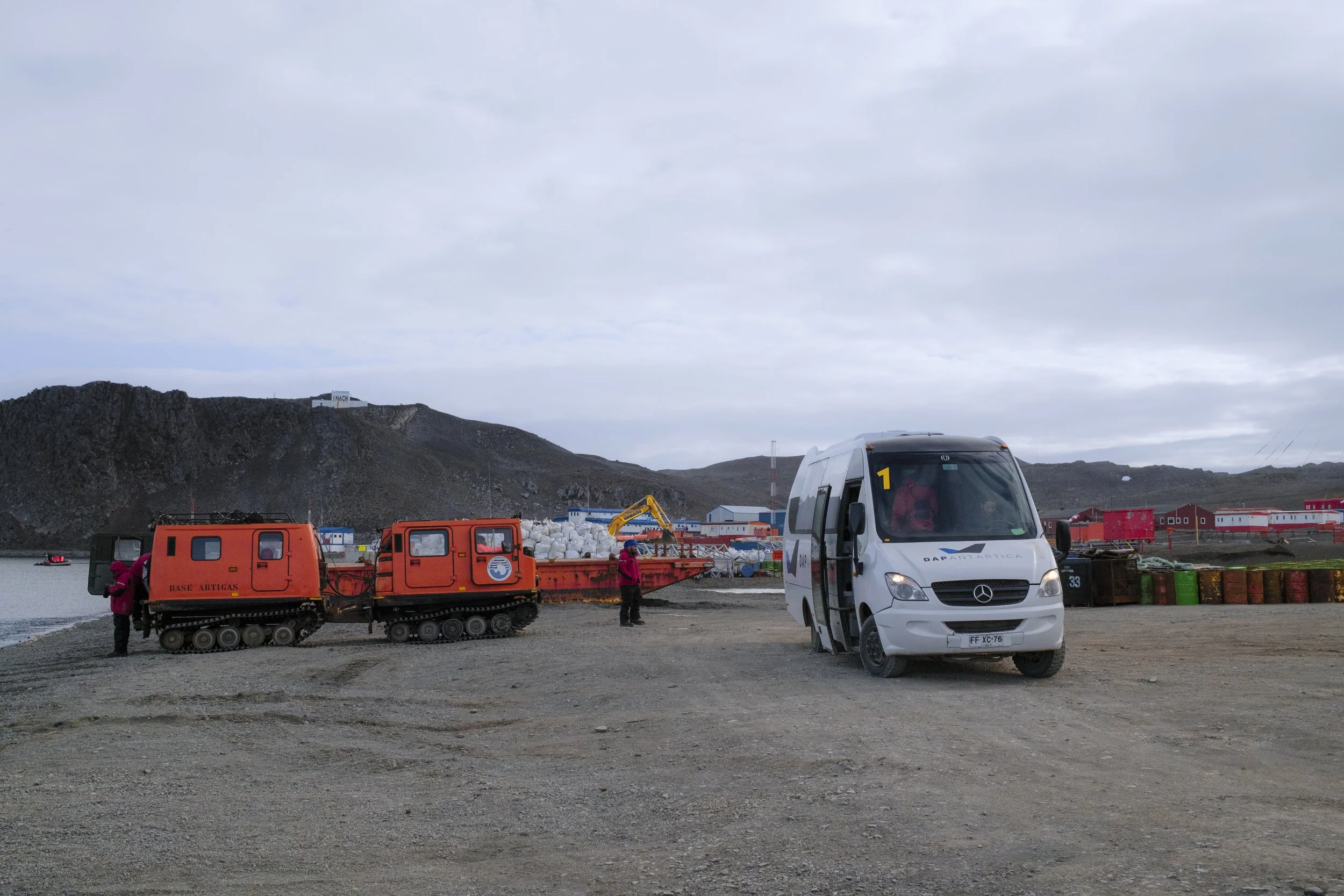
Landing on King George was an experience, our first glimpse of Antarctica. Disembarking straight onto a minibus which took us to the shoreline.
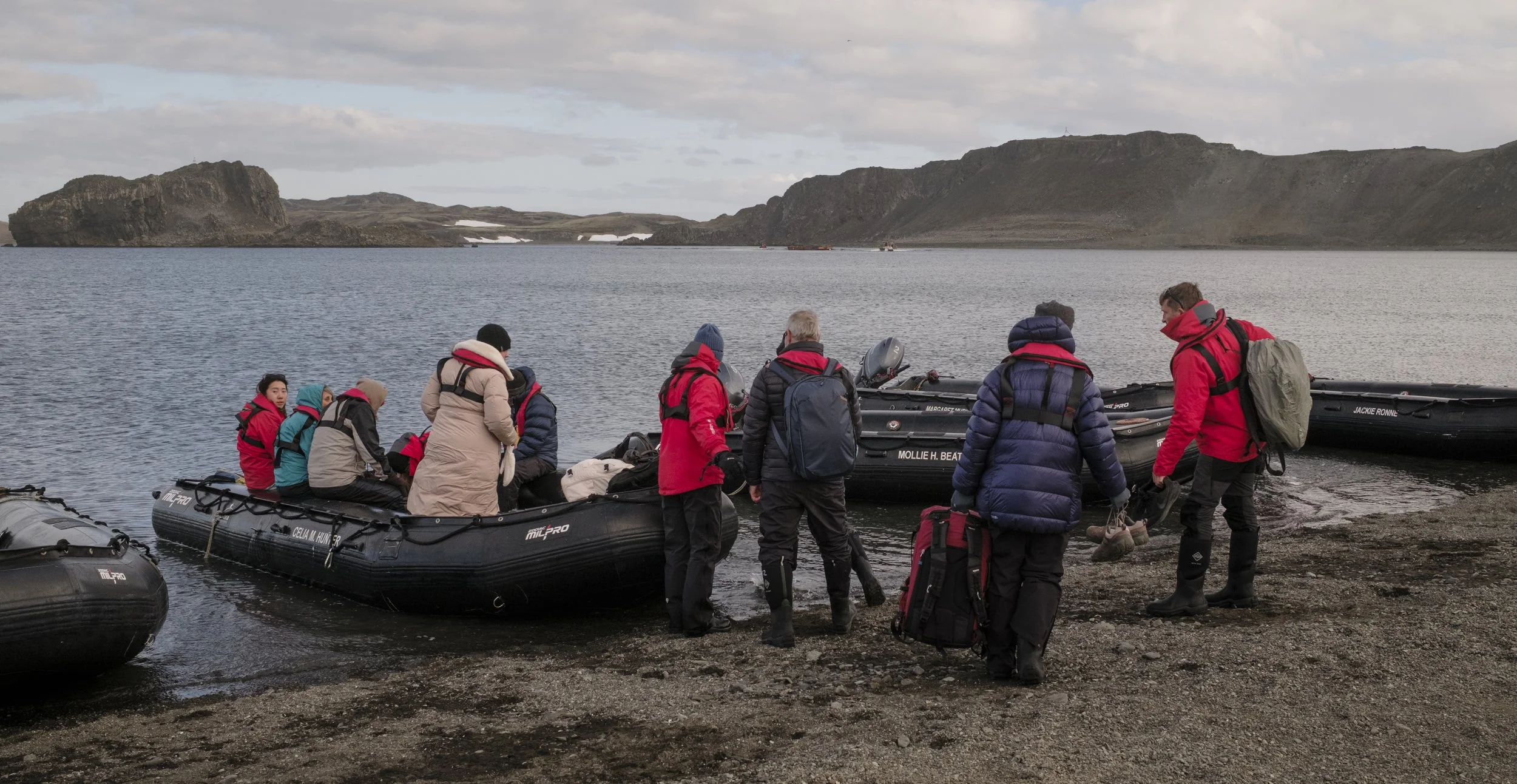
From there, once we were adorned with mud boots and lifejackets, we zoomed off on zodiacs to the Greg Mortimer anchored nearby. Our camera bags with us, our suitcases being brought directly to the rooms by the Aurora expedition team.
The rest of afternoon was saftey breifings, lifeboat exercise, dinner and beers.
We set sail, heading south, eagerly awaiting our first off-boat experience the next morning.
Rules for visiting Antarctica
Before I get into the rest of the trip, Now would be a good time to mention that photography in Antarctica isn’t easy! There are rules everyone visiting the continent needs to abide by. Most operators (and the only ones you should book with) will be registered with IAATO - The International Association of Antarctica Tour Operatorswhich helps to protect wildlife and the environment to keep it as prestine as possible.
I’ll give you a quick overview of what I learnt during my expedition, full details can be found on IAATO’s website.
To help prevent contamination of the continent, when we first boarded any hats, gloves, bags or equipment we intended to take on landings was inspected and if necessary vacuum cleaned. This is to prevent foreign seeds and contaminants reaching the continent.
To minimise the spread of bird flu (a big problem currently)
Only our feet and tripod legs were allowed to touch the ground. Before we disembarked the ship we had to wash feet/tripods in biocide.
When on land, there is no sitting, squatting or kneeling. You are on foot the whole time, carrying everything you took with you
Lifejackets must be worn at all times, even on land in case of emergency evacuation
Landing Sites
You are only allowed to explore designated areas on certain landing sites (I will provide links in this article to the Secretariat of the Antarctica Treaty website where I can)
Each landing site has it’s own rules too, whether it be a limit on how many people can land at one time or how many ships can visit within a 24 hour period. On our trip it was either 60 or 100. (this is why the cruise ships with 400-500 passengers never get off the boat!)
Wildlife comes first.
Landings are dictated by the wildlife on shore.
Once of our landings was abandoned due to wildlife too numerous around the landing site
Each species has it’s own rules, most of which need to be known by the expedition team. For us, Penguins were the main wildlife on landings and you have to stay 5 meters away. If there’s a colony (large concentration of birds) this is increased to 15m.
Protecting Marine Mammals
Cruise Ship speed limit is 10 knots
When in transit, a spotter must always be on deck
Day 2 - Half Moon Island
It was finally time for our first landing, and I’ll be honest, even though we’d had many briefings explaining the rules and regulations, I really didn’t know what to expect.
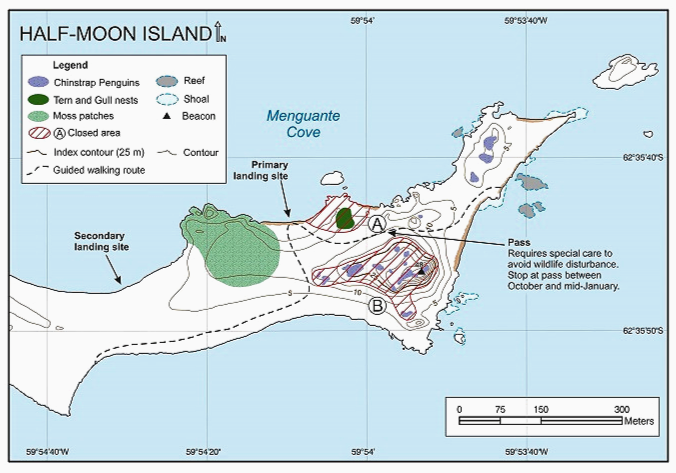
Half Moon Island is home to Colony of Chinstrap Penguins, an Argentine research base, and that day some fur seals lazing about on the rocky shoreline.
Despite it being a wide open area, rocky with lots to explore, I struggled with my photography. Getting used to carrying everything, not being able to bend over really stifled my usual flow.
To start with, I tried to focus on what I know I’m good at, landscapes, but that wasn’t clicking at first either. I thought my best option was to focus on the research station buildings.
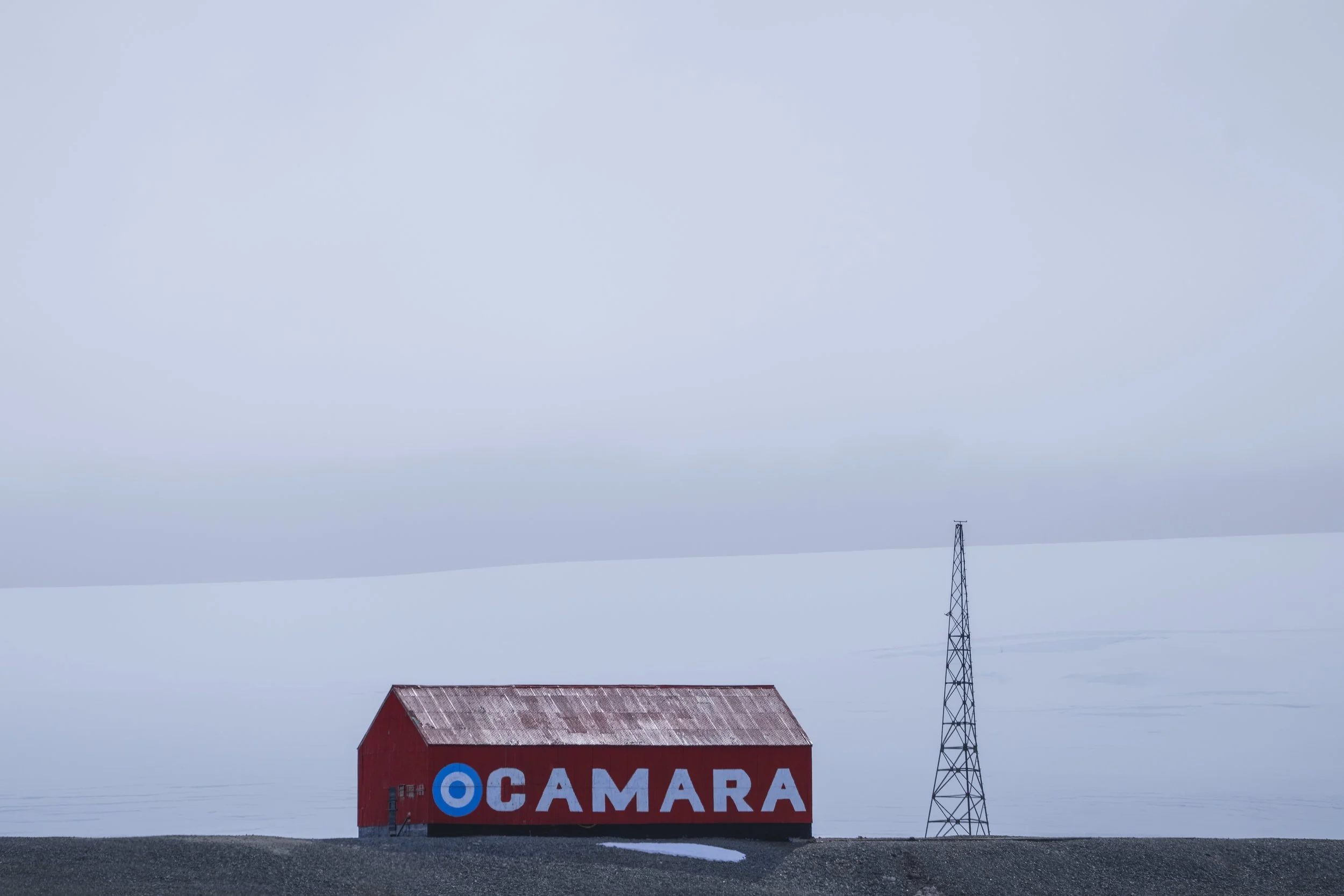
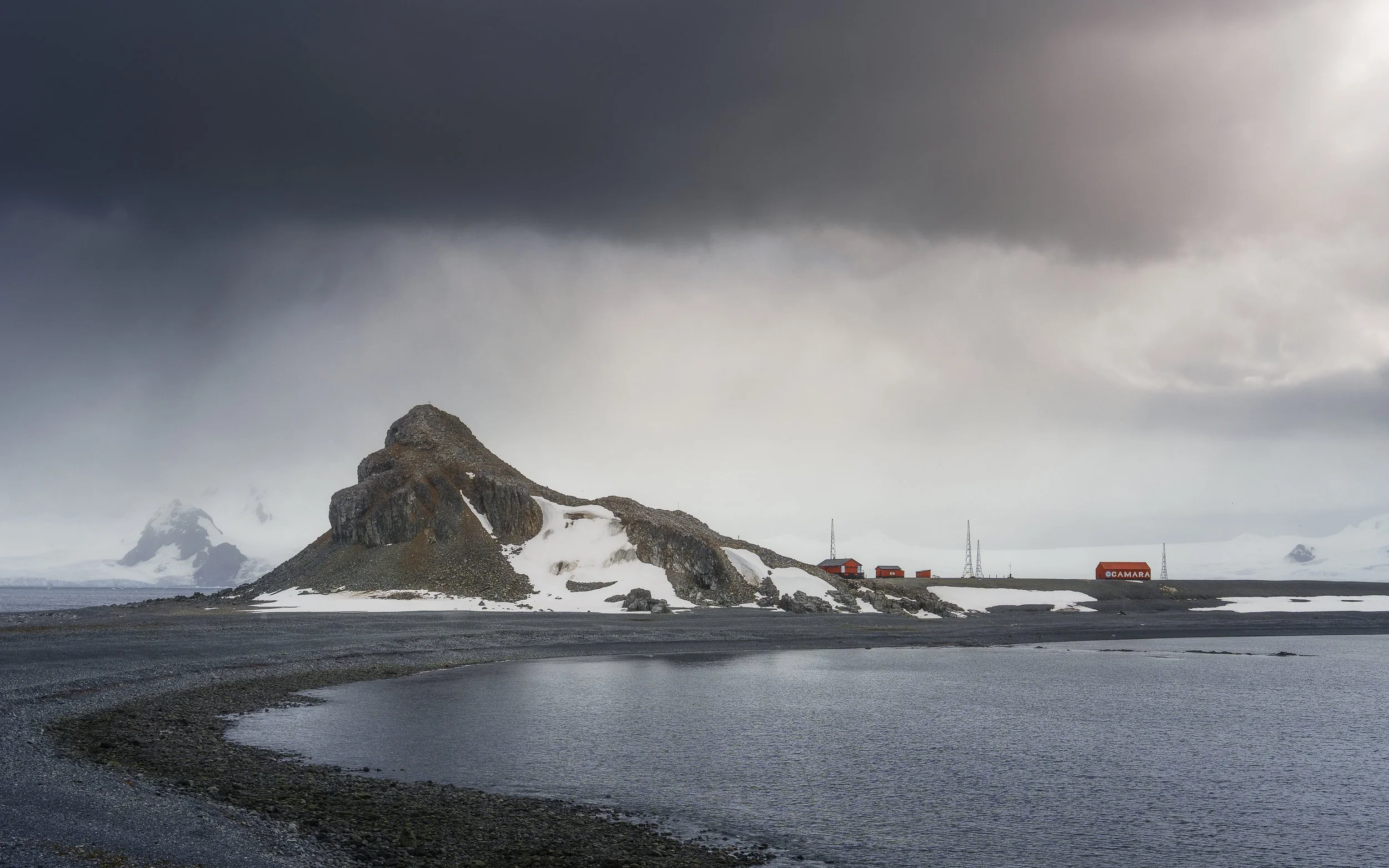
When the clouds came over to provide a bit of ‘mood’ I started to feel a little more comfortable with my photography. But the whole time I was on the island, I didn’t get any photo’s that I thought were portfolio worthy. You know, something I would submit to competition. They were just, nice.
I switched to wildlife and the colony of Chinstraps to see if I could get my eye in shooting a genre I’m less knowledgeable on. Again, I got some nice shots, but nothing spectacular.
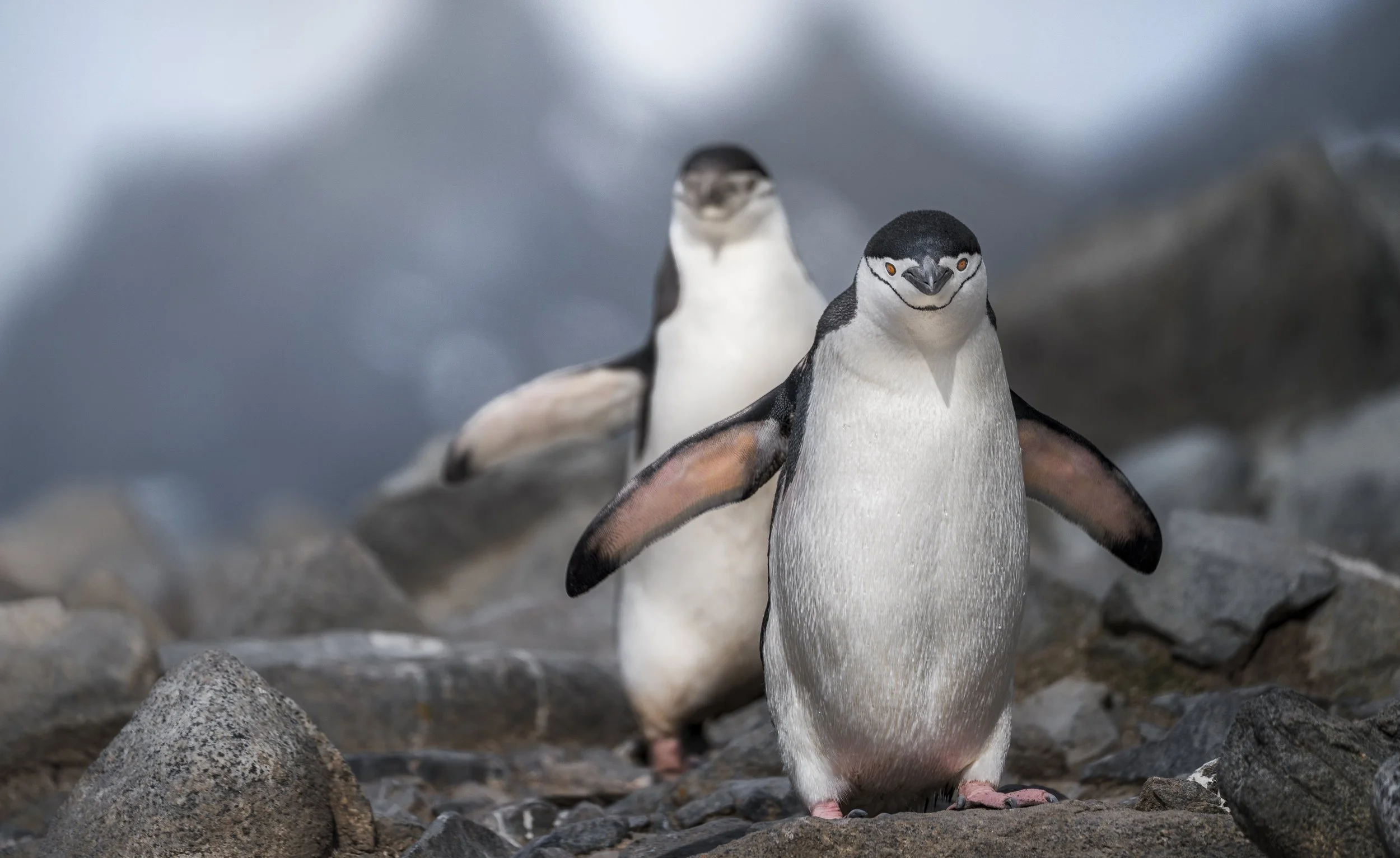
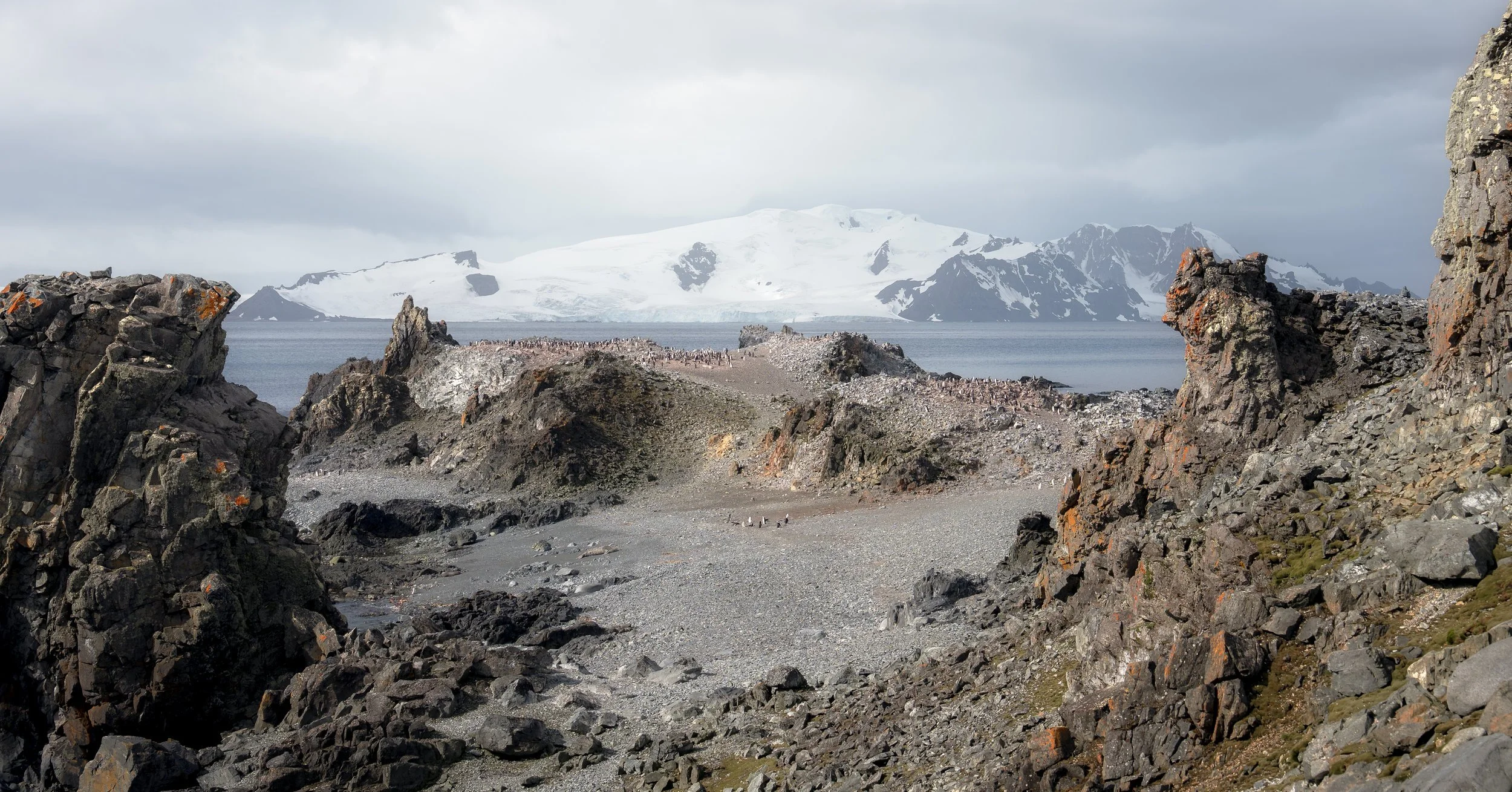
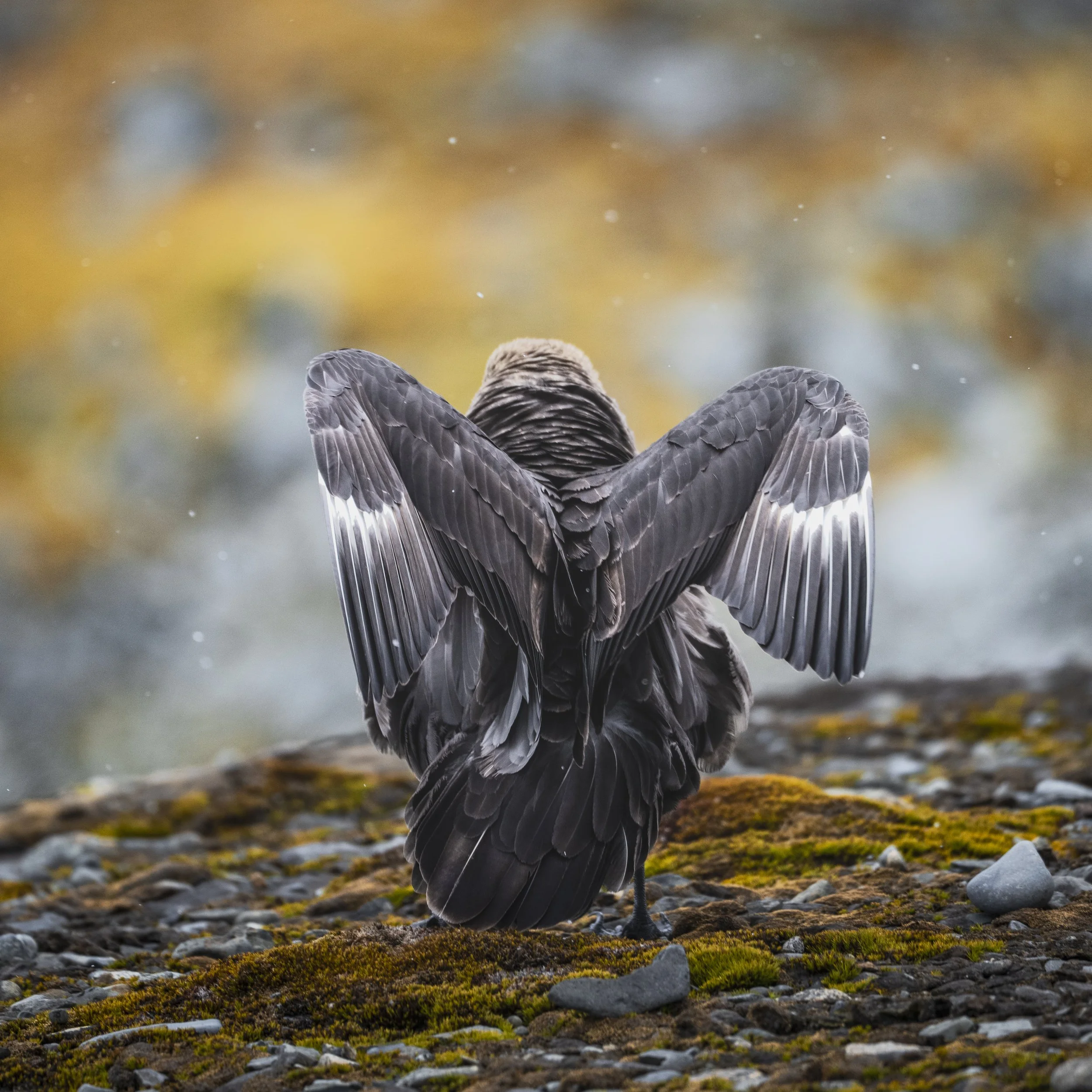
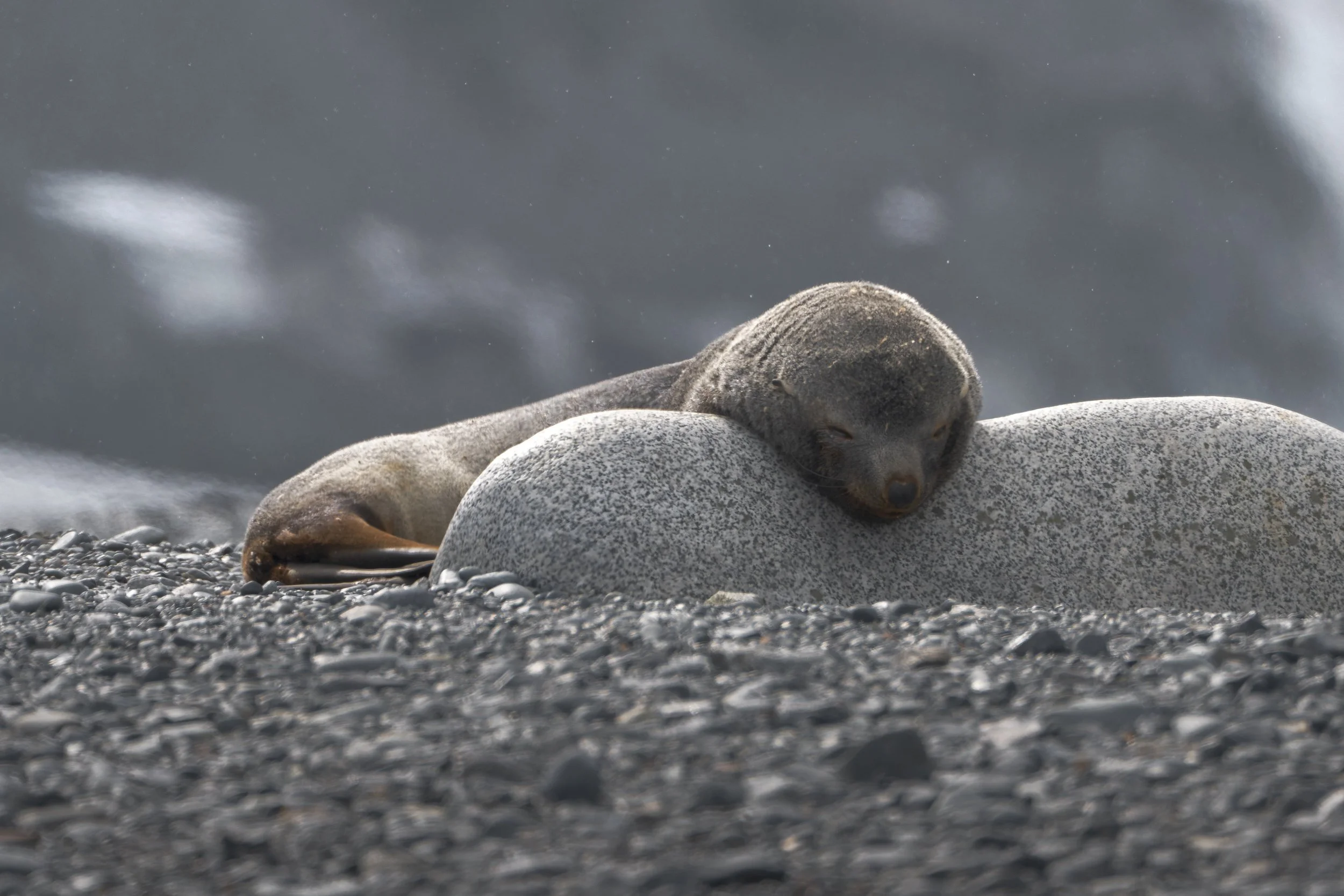
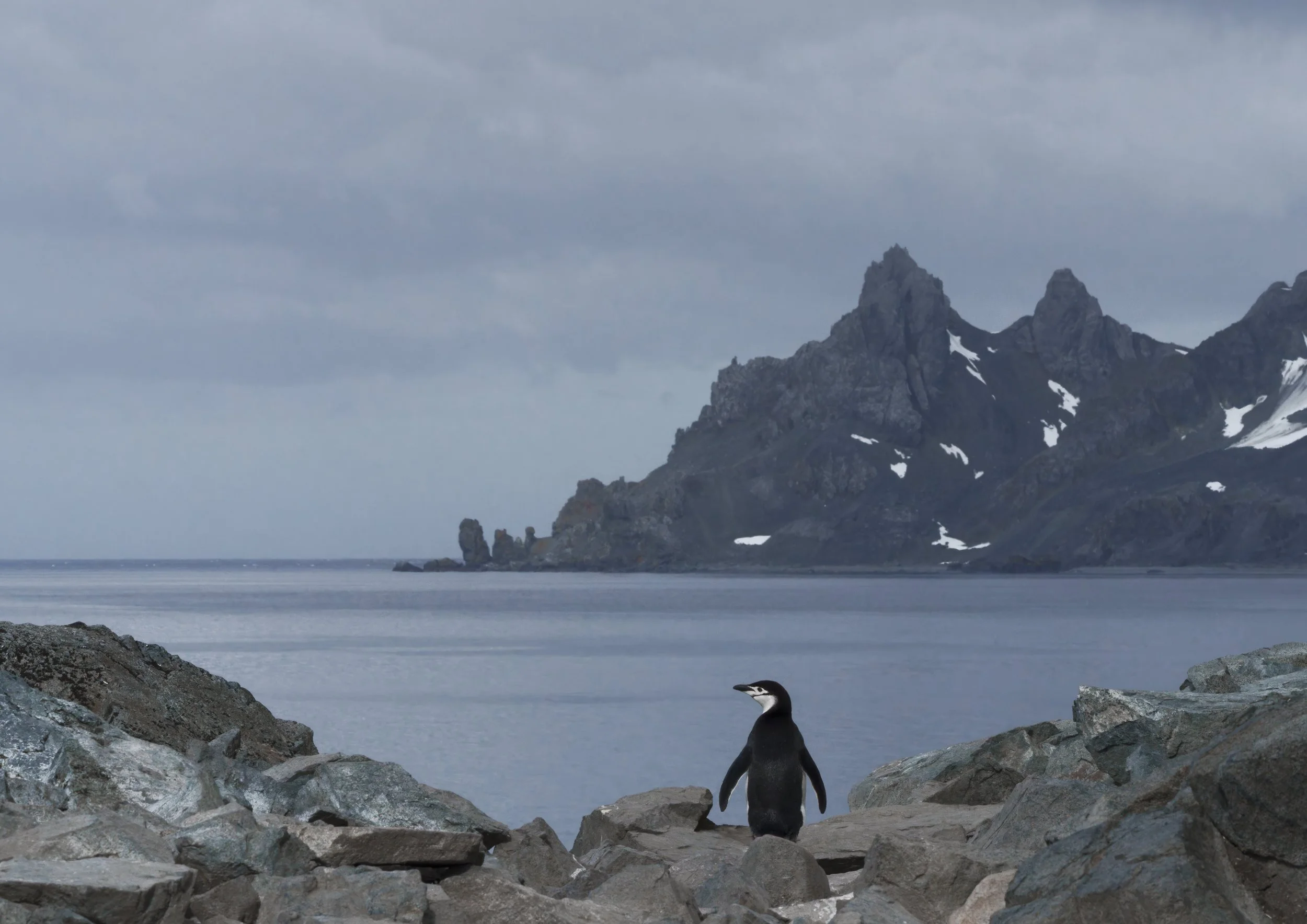
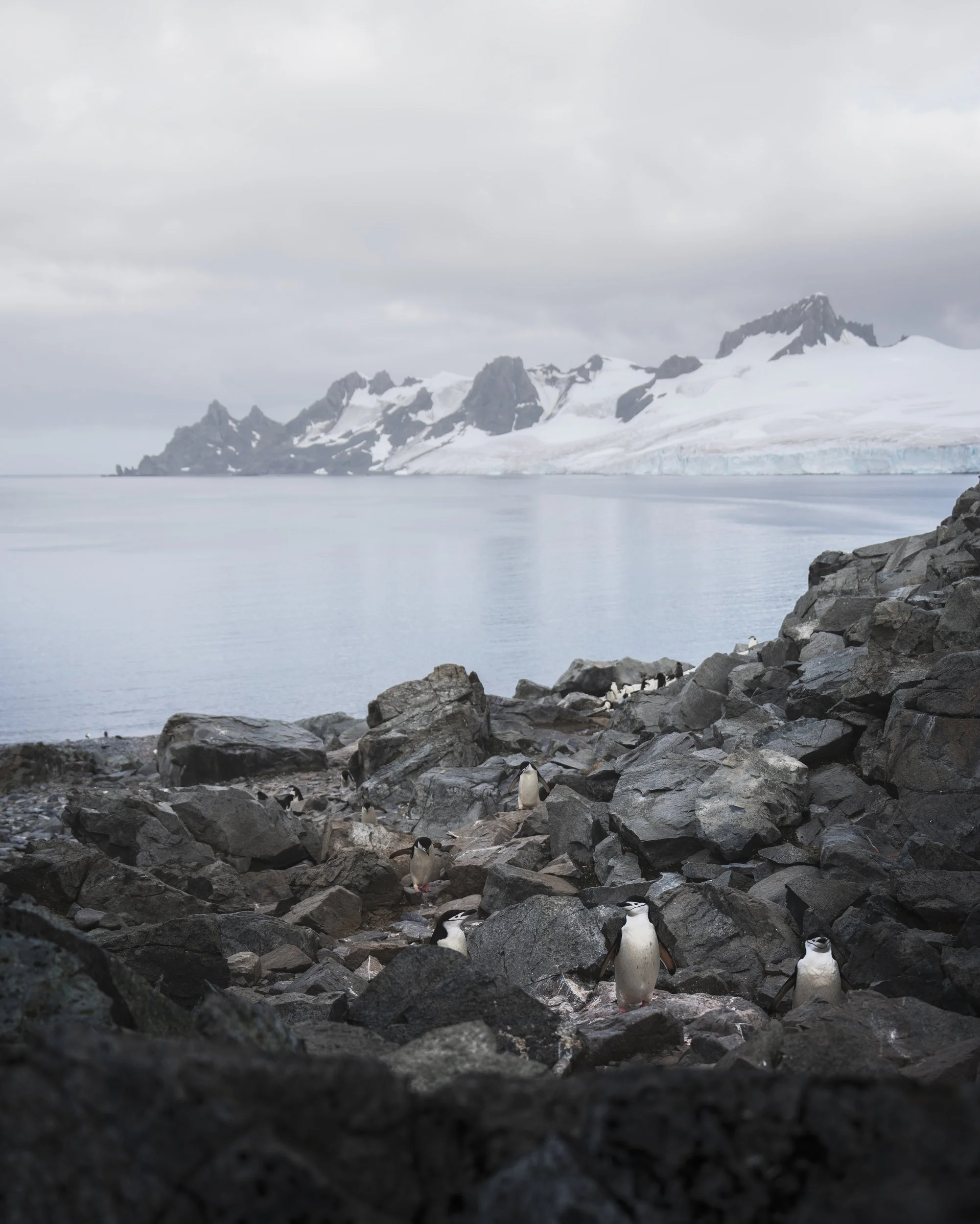
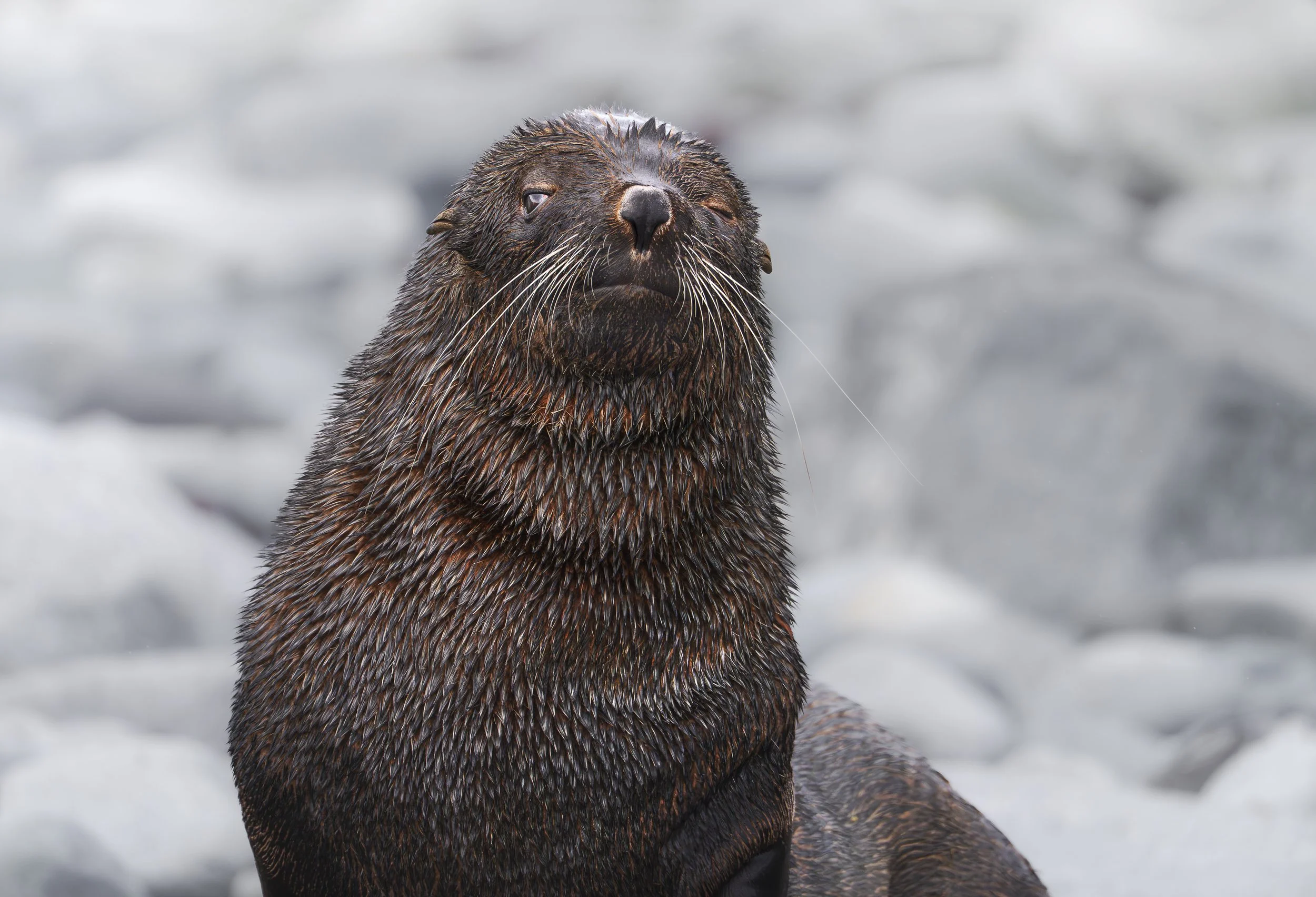
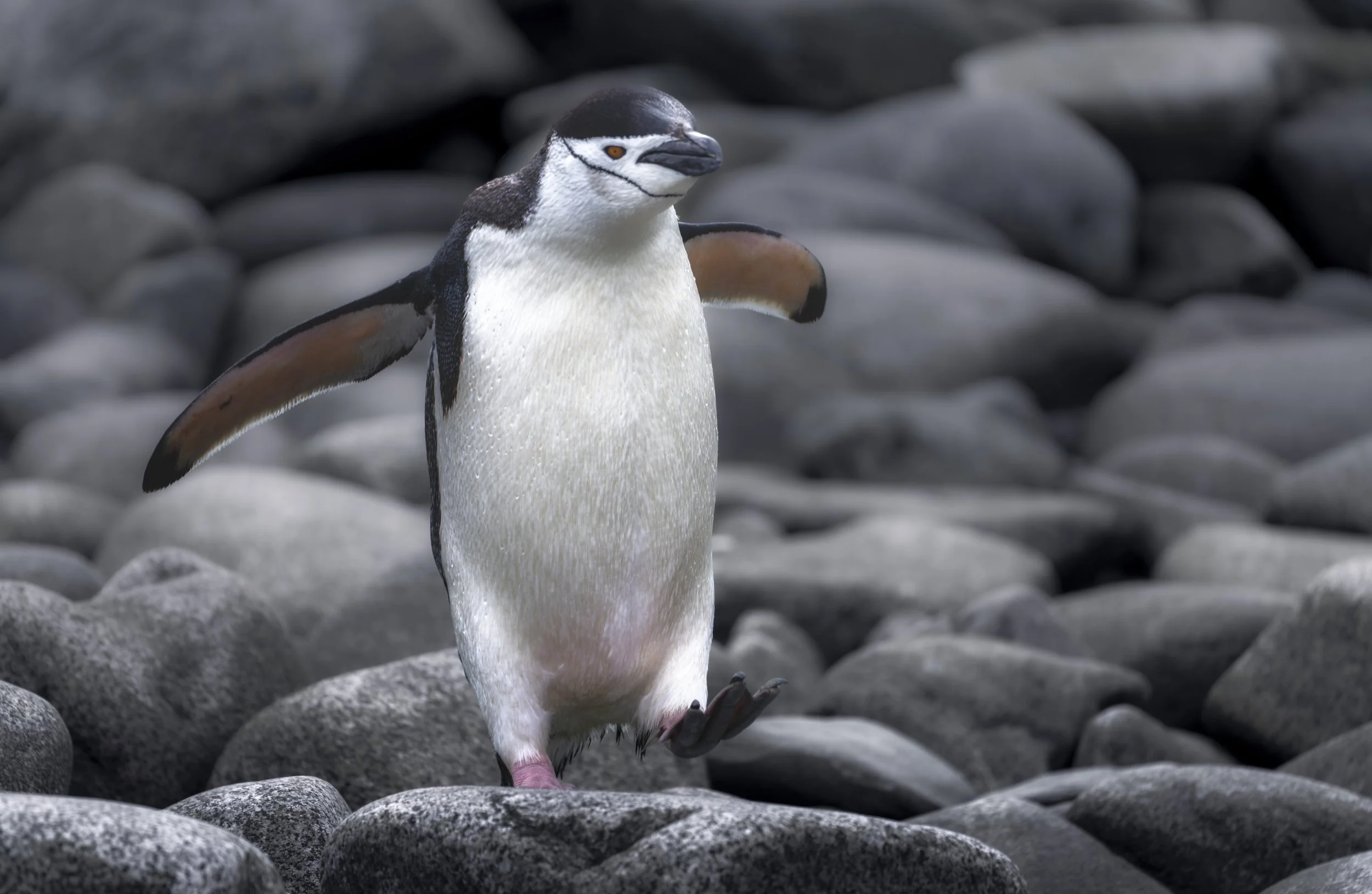
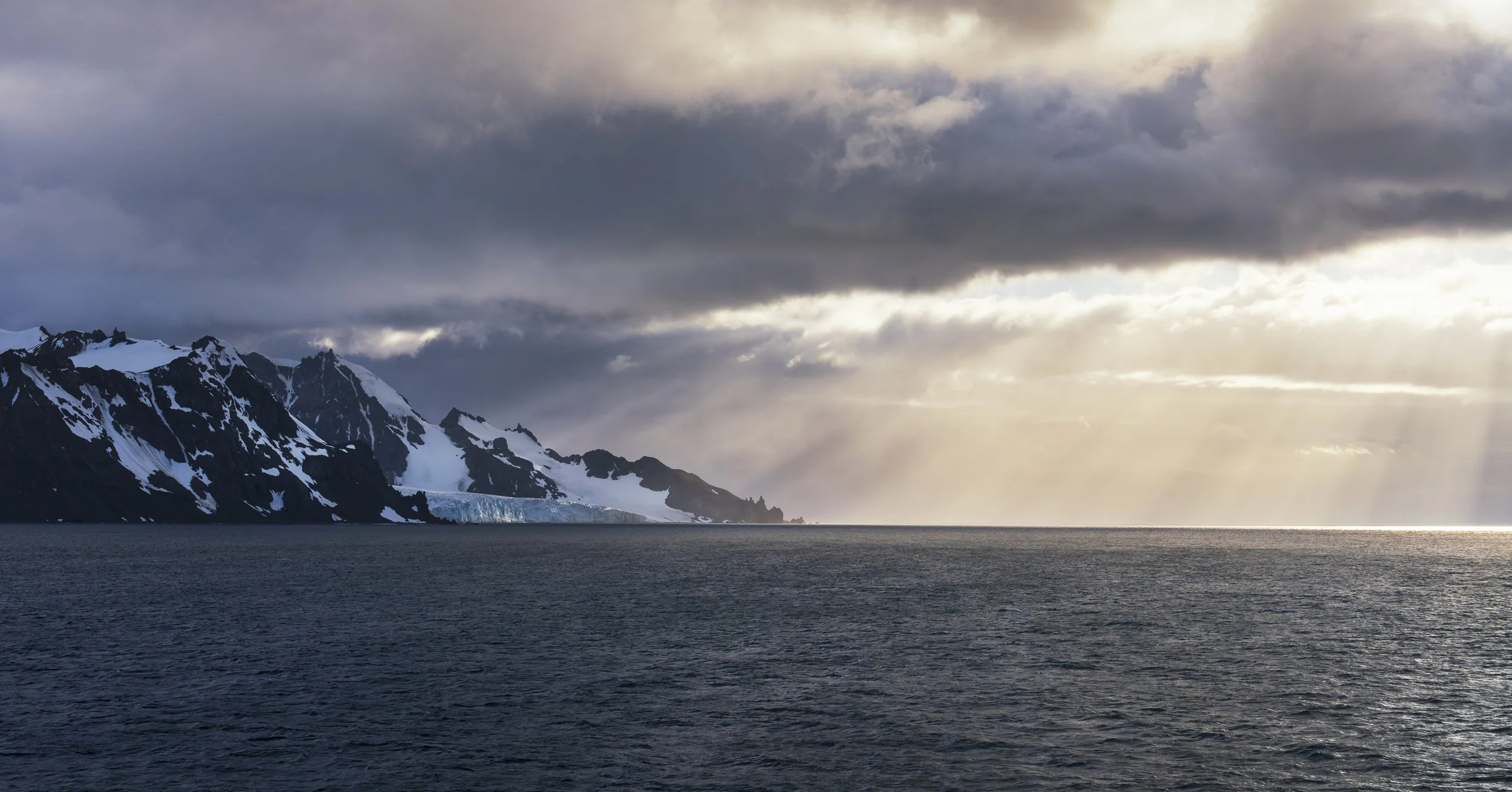
Back on the boat, in the evening, we started to head further south. Had dinner and enjoyed the sunset from the upper decks with our cameras. We were a good distance from land, but a moody sunset was worth the effort nonetheless.
Day 3: Mikkelsen Harbour
A new day, and hoping to learn from the day before, we were meant to have a morning landing on Astrolabe island. A beautiful rock prime for landscape photography.
However, when we sailed past at breakfast, the swell was deemed to large to make a safe landing and plans had to change. This was a shame, I was looking forward to some big mountains!
Disappointed, we carried on south and our new destination was another small island called D’Hainaut which is in Mikkelsen Harbour.
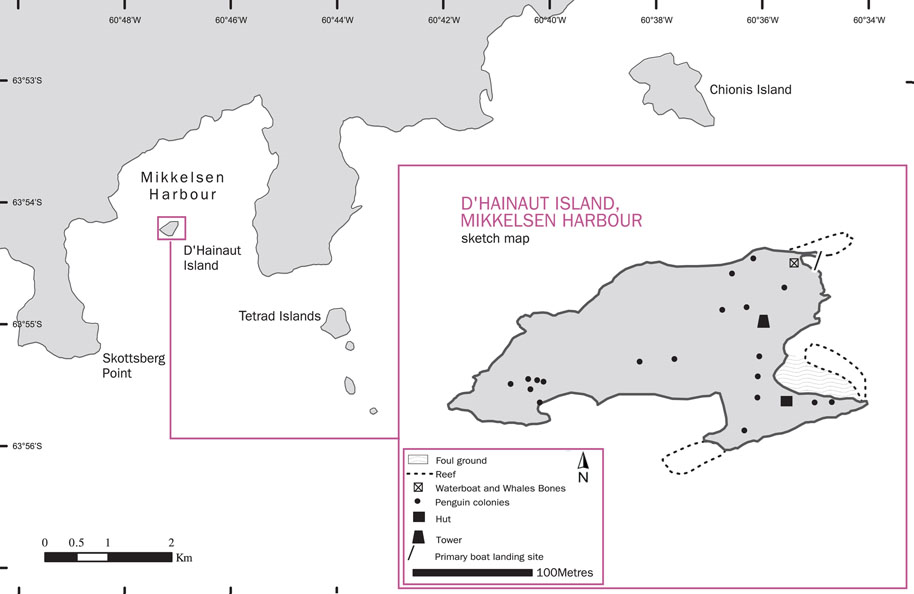
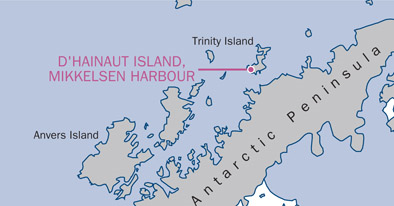
After a short zodiac ride to a landing site on the opposite side of the island to where we anchored, we hoped onto land. Again, rocky underfoot with some ice in the higher areas, but mostly covered in penguin poop!
Most of the landings you will do in Antarctica are wildlife focused. There are many penguin colonies on the islands around the peninsula, they are easy for the penguins to access.
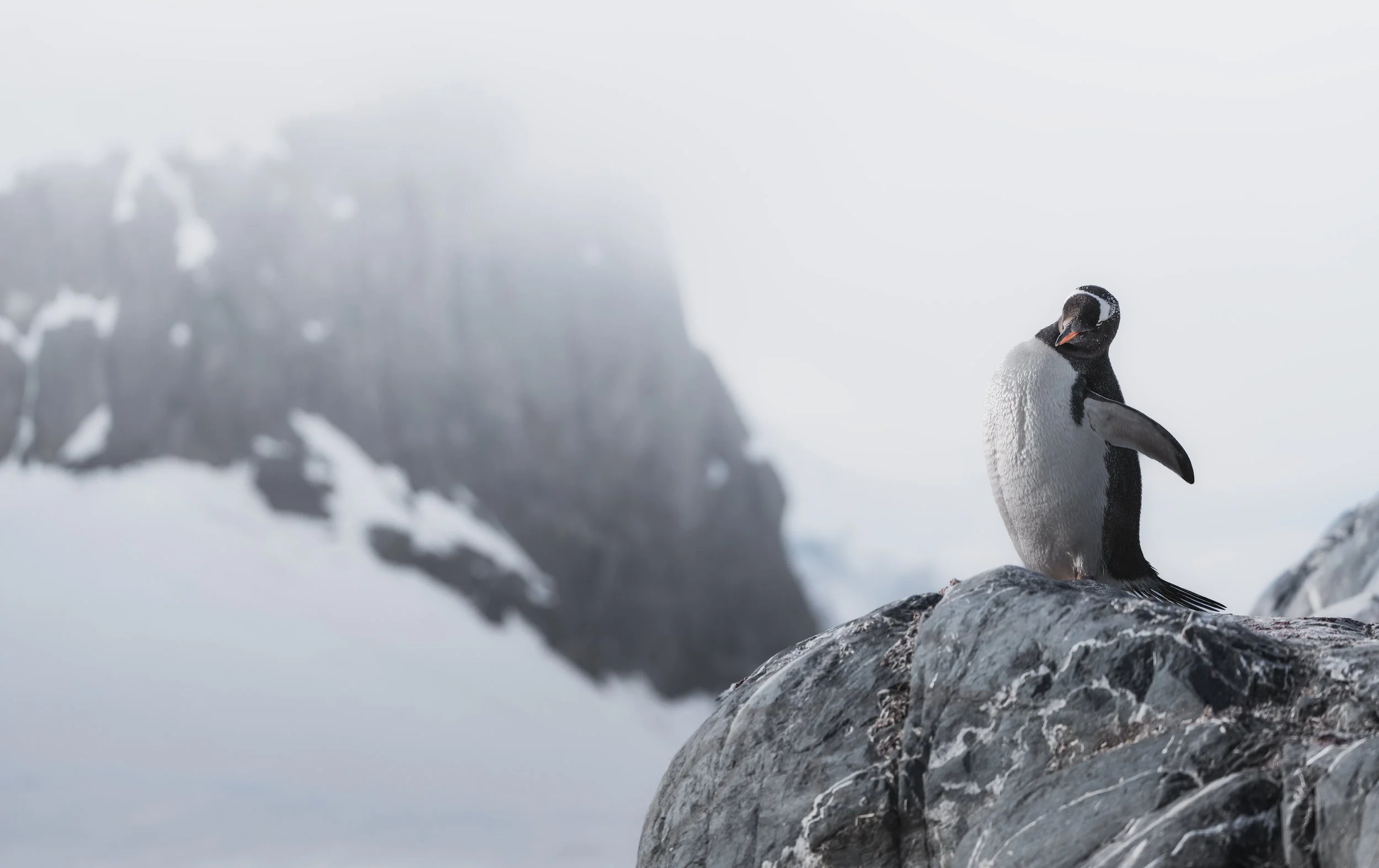
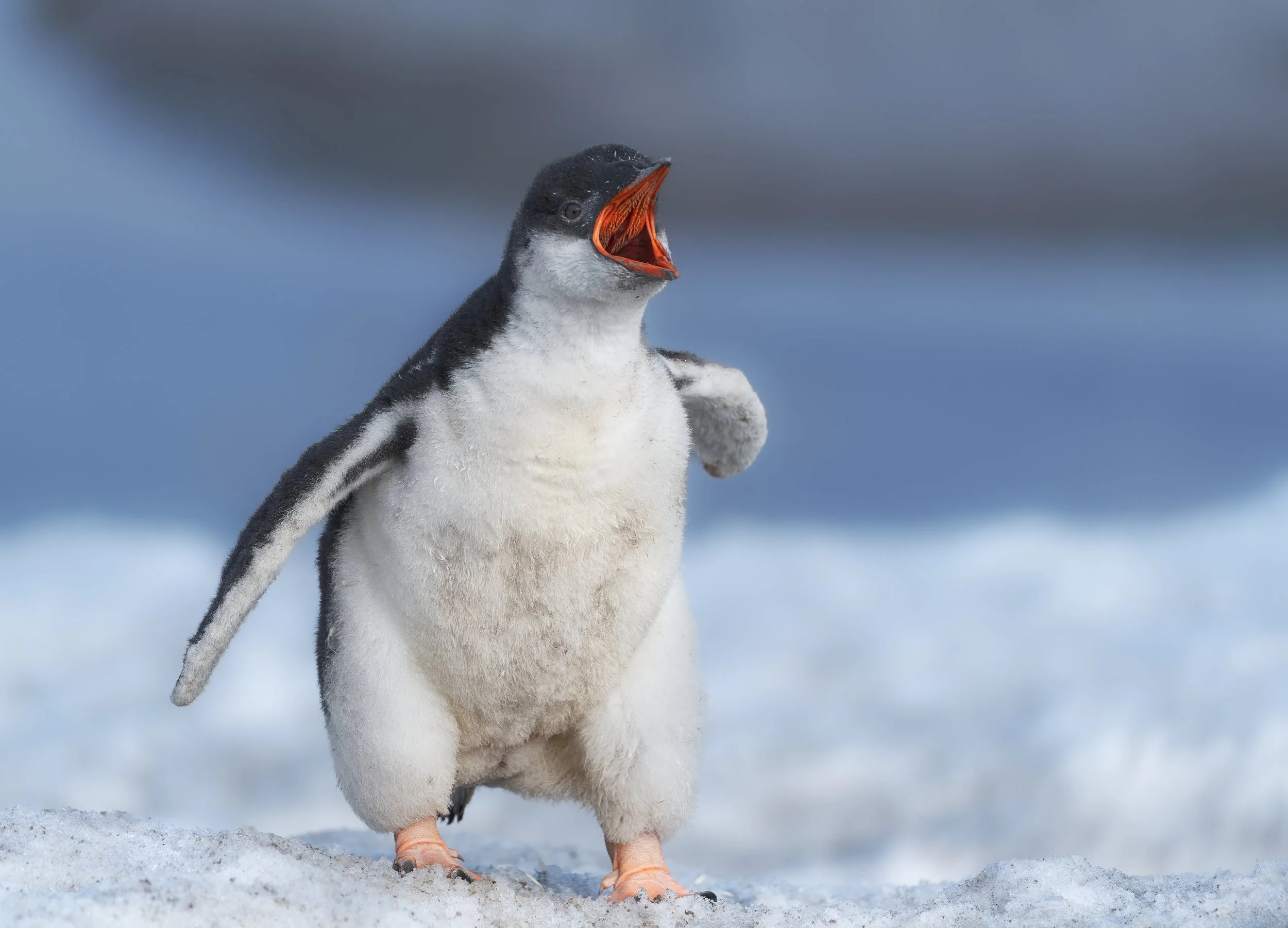
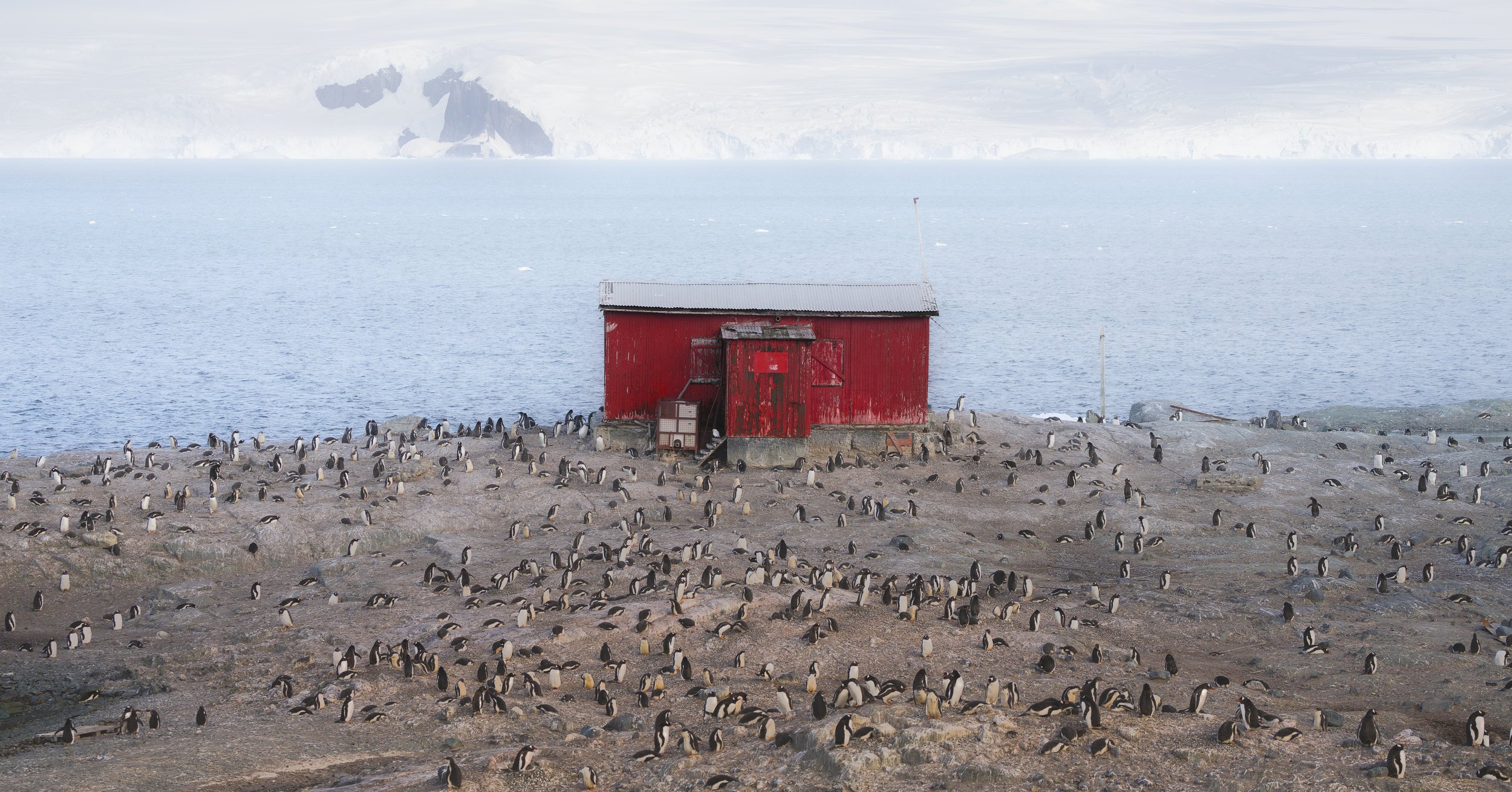
This time it was a gentoo colony, with chicks!! Lot’s of feeding, chicks chasing around their parents. It was great fun to watch them interacting in their natural environment. They don’t seem to be at all worried by our presence, if anything the penguins with curious about what we were up to!
A red hut, an Argentine refuge, was on the far side of the island, made a great subject surrounded by the colony.
Bubble feeding humpback whales
Cas and I were on the last zodiac back to the ship, we stopped off to photograph a Weddell seal on an iceberg when our driver, Nils, spotted something strange in the distance.
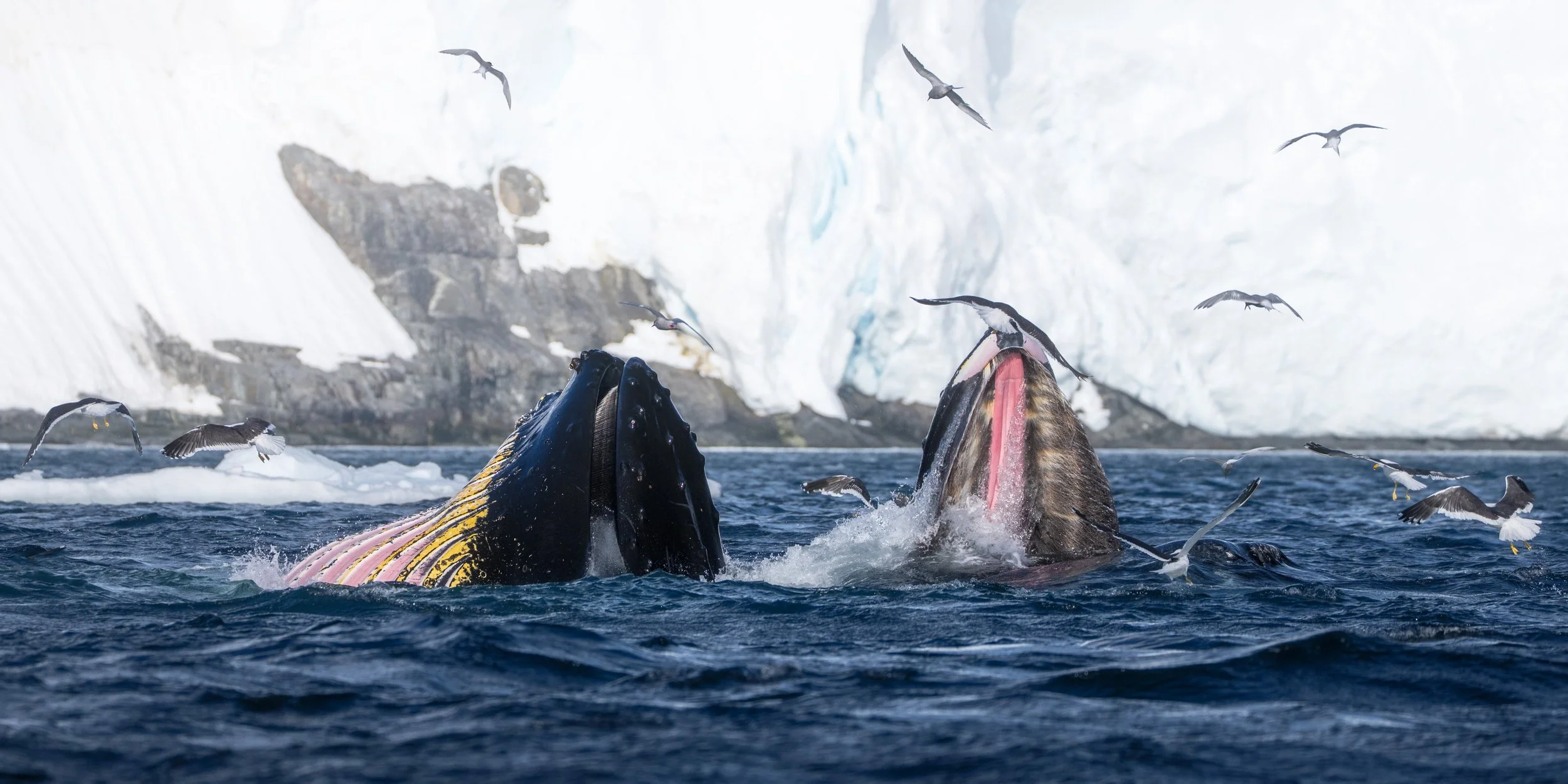
Across the harbour he saw lots of birds flying around above the water, the water changing colour to a light blue, and then humpback whales popping up. They were bubble feeding!!!! Most of the other expeditioners were already back aboard the ship watching this from the upper decks, but we scooted across on the zodiac.
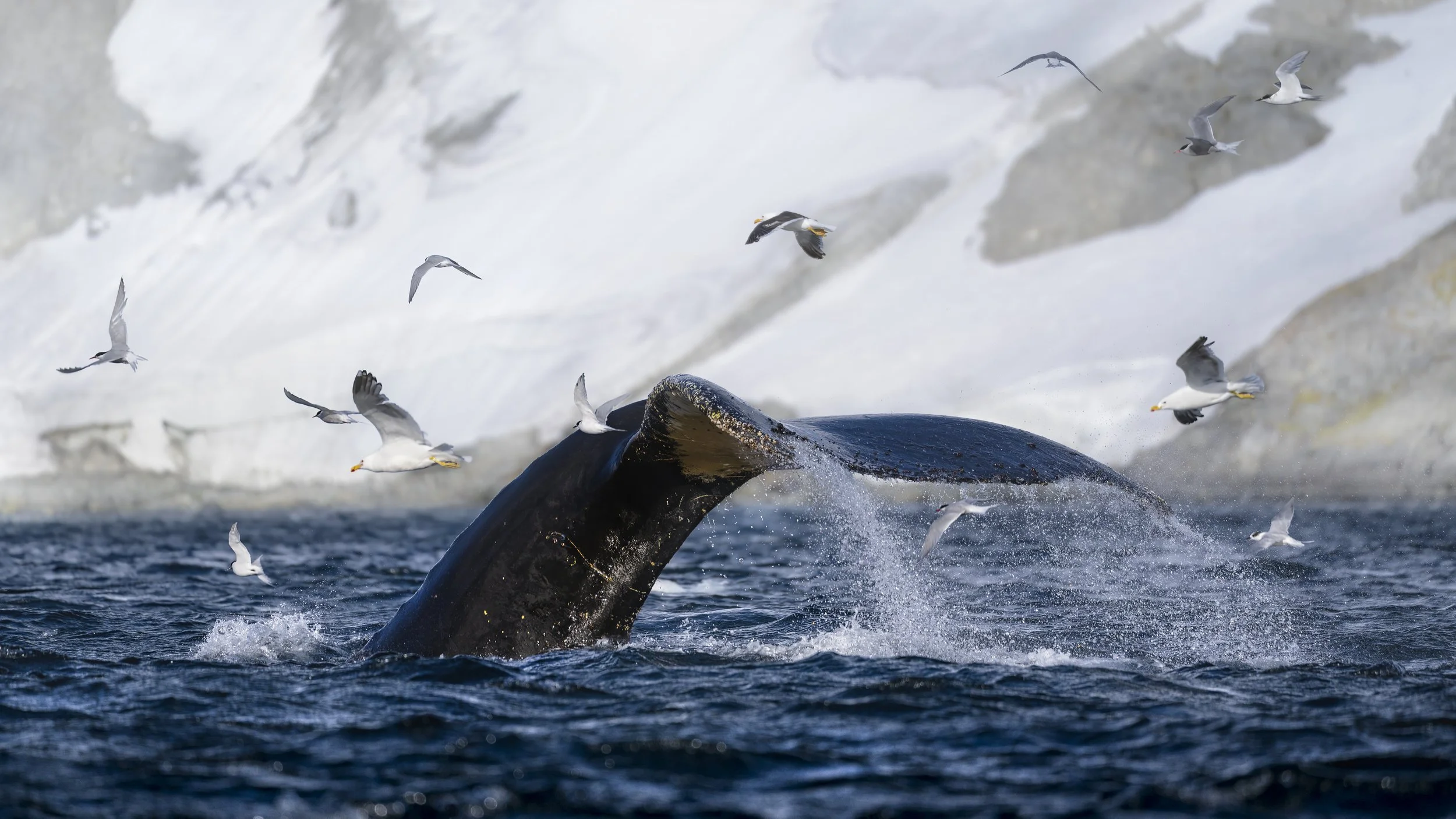
First we caught a fluke, as the Whales dove. It was a pod of about 3 or 4.
Bubble-net feeding is a highly coordinated, learned foraging strategy where humpback whales blow rings of bubbles around fish schools to trap them. Whales dive below prey, blow bubbles in a spiral that creates a "wall of sound" or physical net, and lunge up through the centre with mouths open, often swallowing tons of fish!!!
And to witness that from mere meters away, at sea-level was one of the highlights of the trip, and finally I got a portfolio worthy shot. That lifted my spirits!
Day 4 - Enterprise Island, Brown Station & the most epic sunset EVER
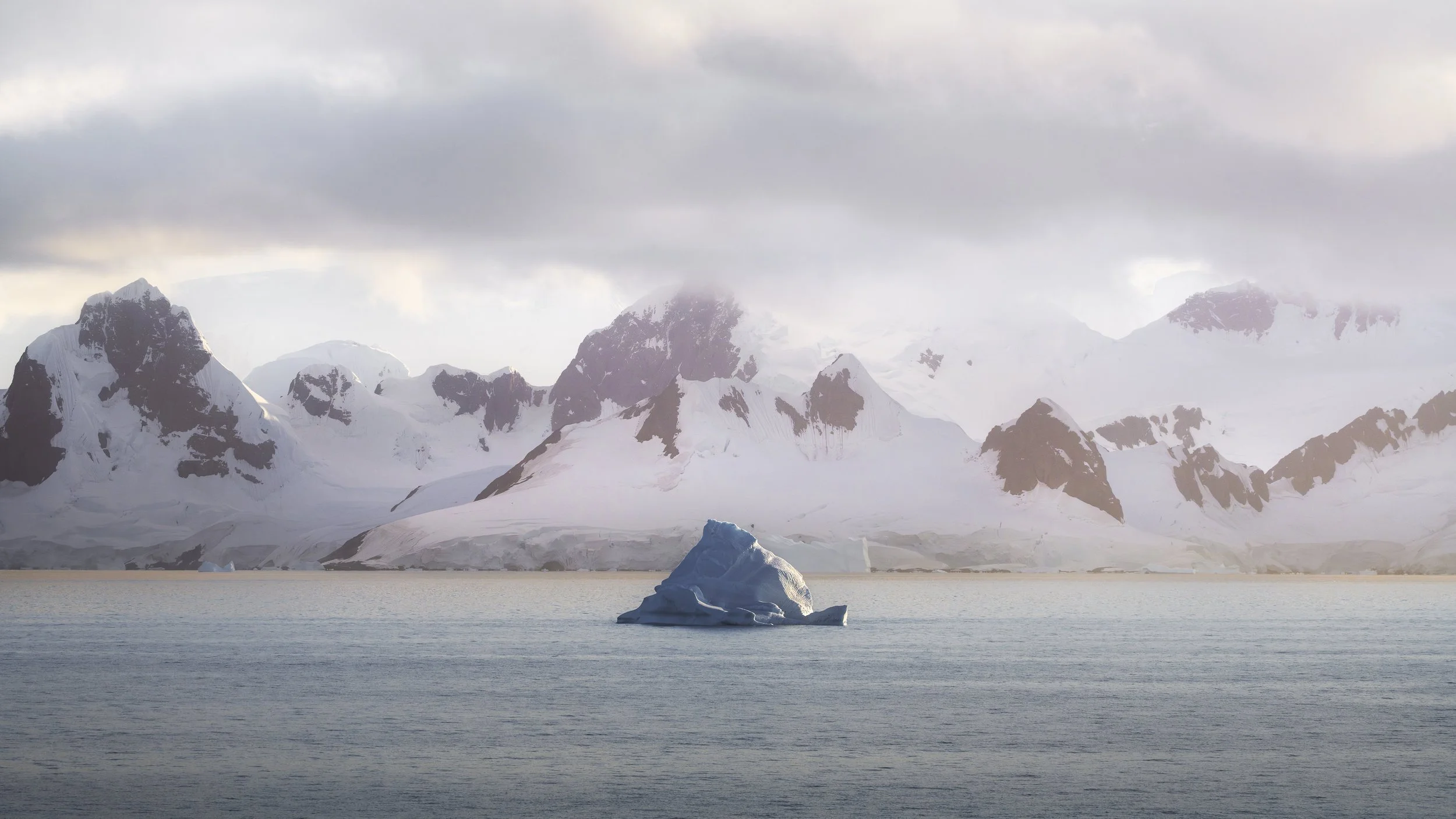
Foyn Harbour Sunrise
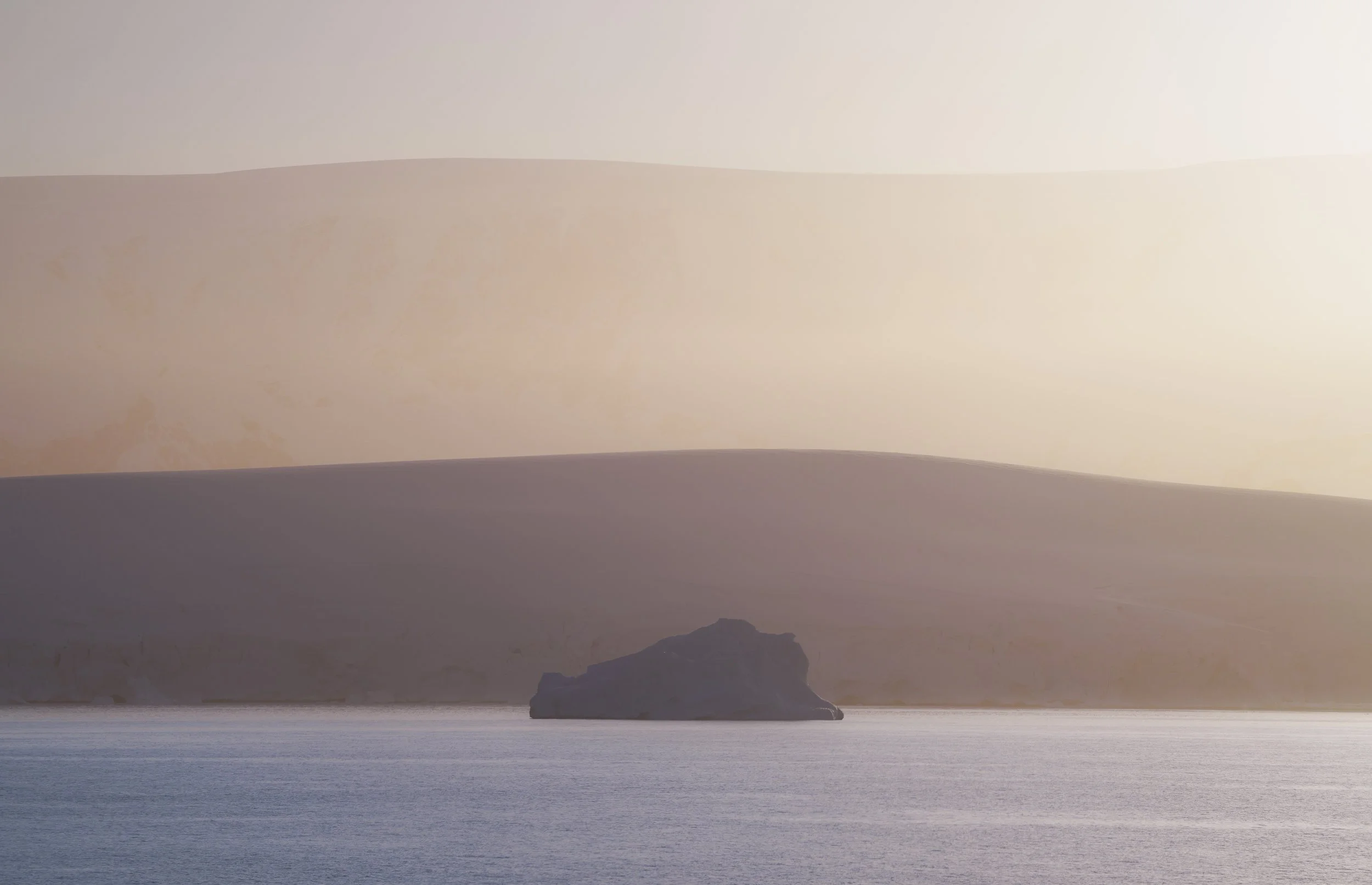
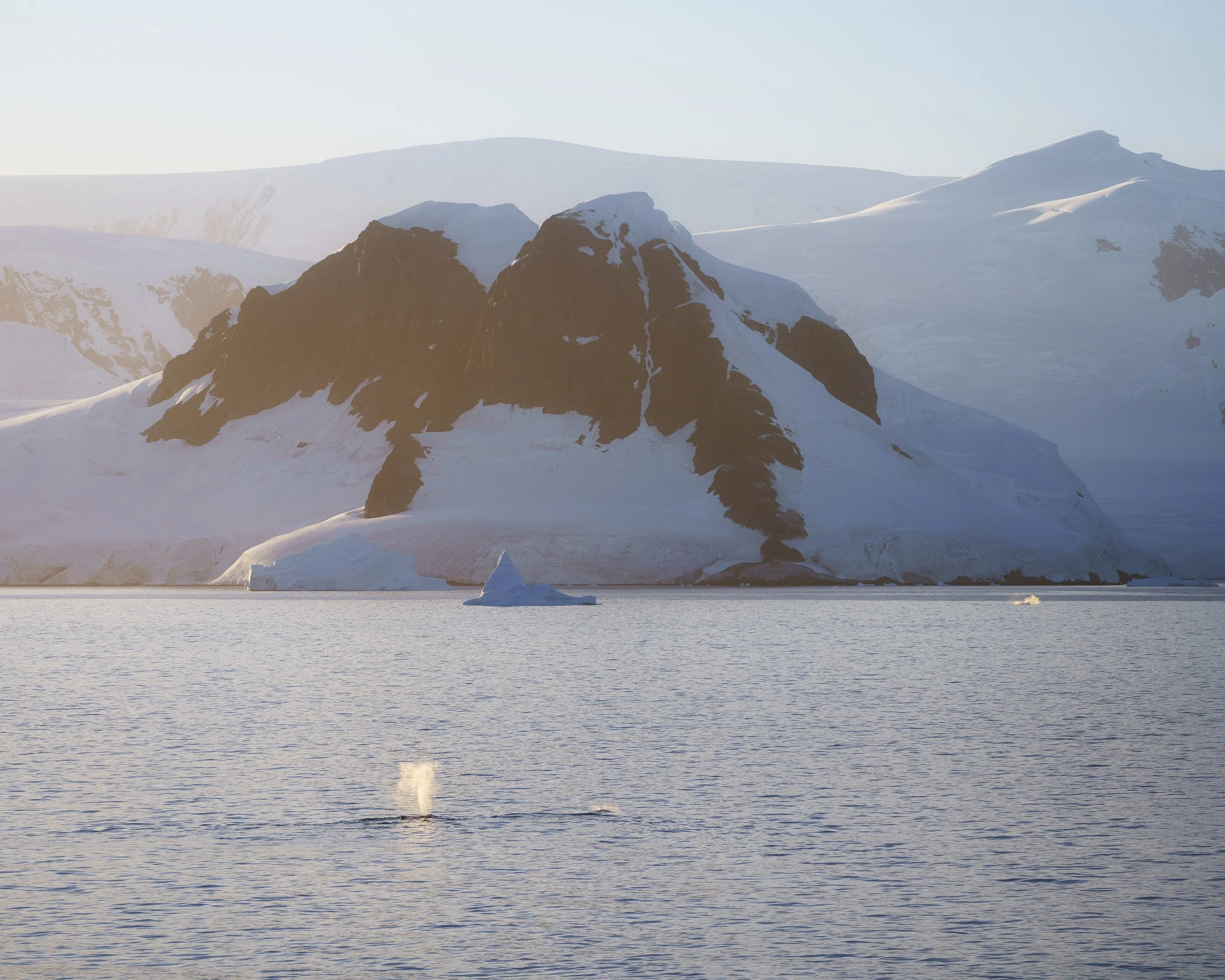
A beautiful sunny morning. This was the first sunrise I actually got my arse out of bed for. Headed up to the upper viewing decks with a hot coffee for 4:40am after no a lot of sleep as we sailed down the Gerlache strait! The sunrise was beautiful. I focused on the vast layers in the landscape, and even managed to include a whale!
Zodiac Cruise Around Enterprise Island
This was to be our first zodiac cruise. Up until this point we had only been using them for transit between the ship and land.
We were going to spend a few hours zooming about Foyn Harbour, in the Orne Islands. The best part… we would be sat down the whole time! No walking, no carrying all my gear. Just enjoy the sunshine and explore.
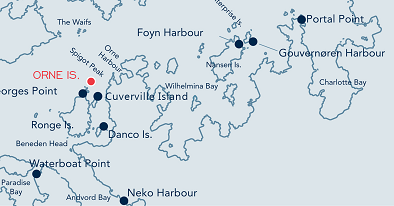
The area was a major centre of summer whaling from 1916 – 1930. The name Enterprise comes from acknowledgement of the “enterprise of the early whalers" and the harbour was named by whalers after factory ship Svend Foyn, which was moored here during the 1921-22 season.
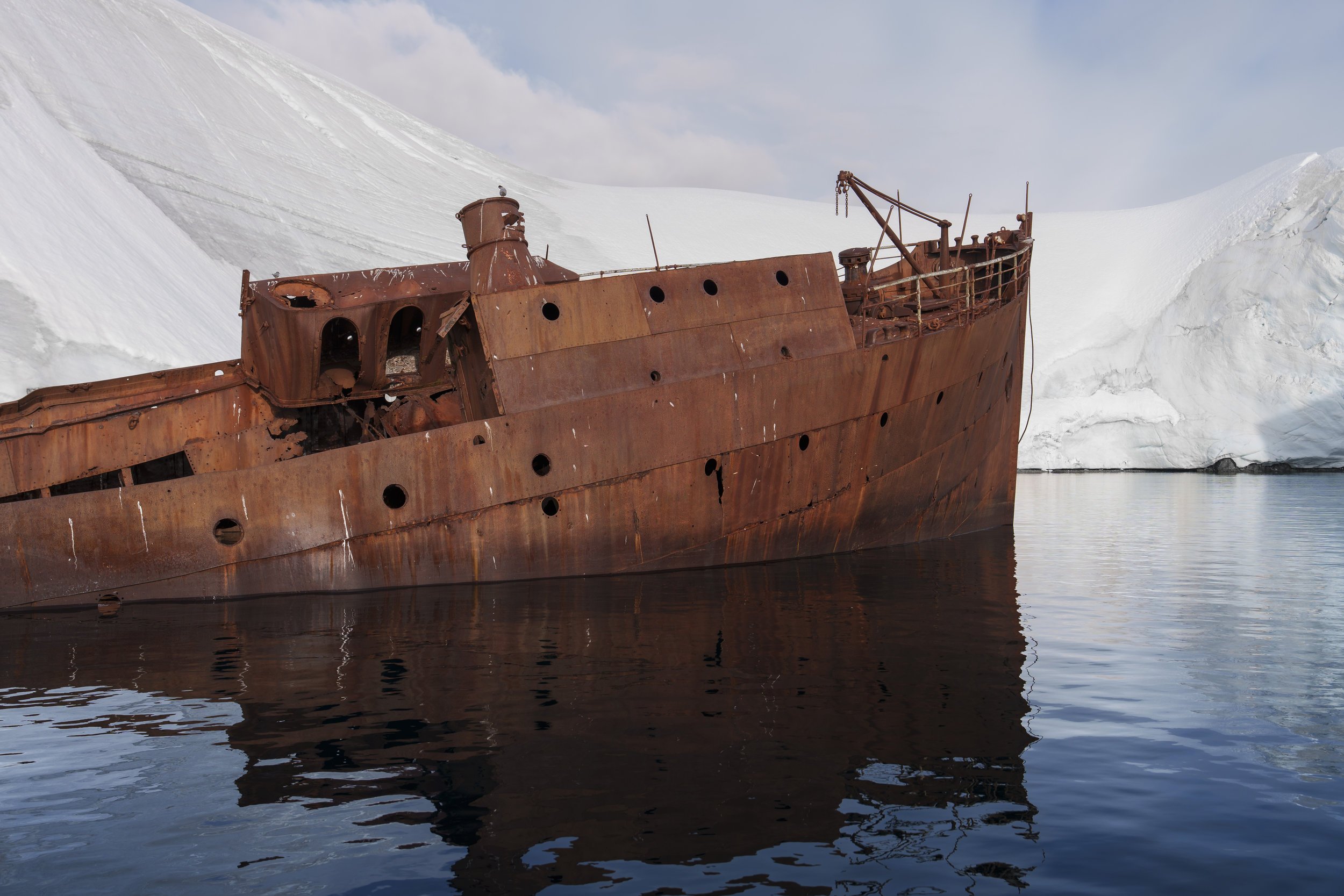
Multiple historical artefacts from the whaling era are scattered around the area. This includes waterboats, Samson posts, steel boxes and is the site of the grounded whaling factory vessel, Gouvernøren, which was deliberately run aground after catching fire on January 27, 1915. This is what we went to go photograph first.
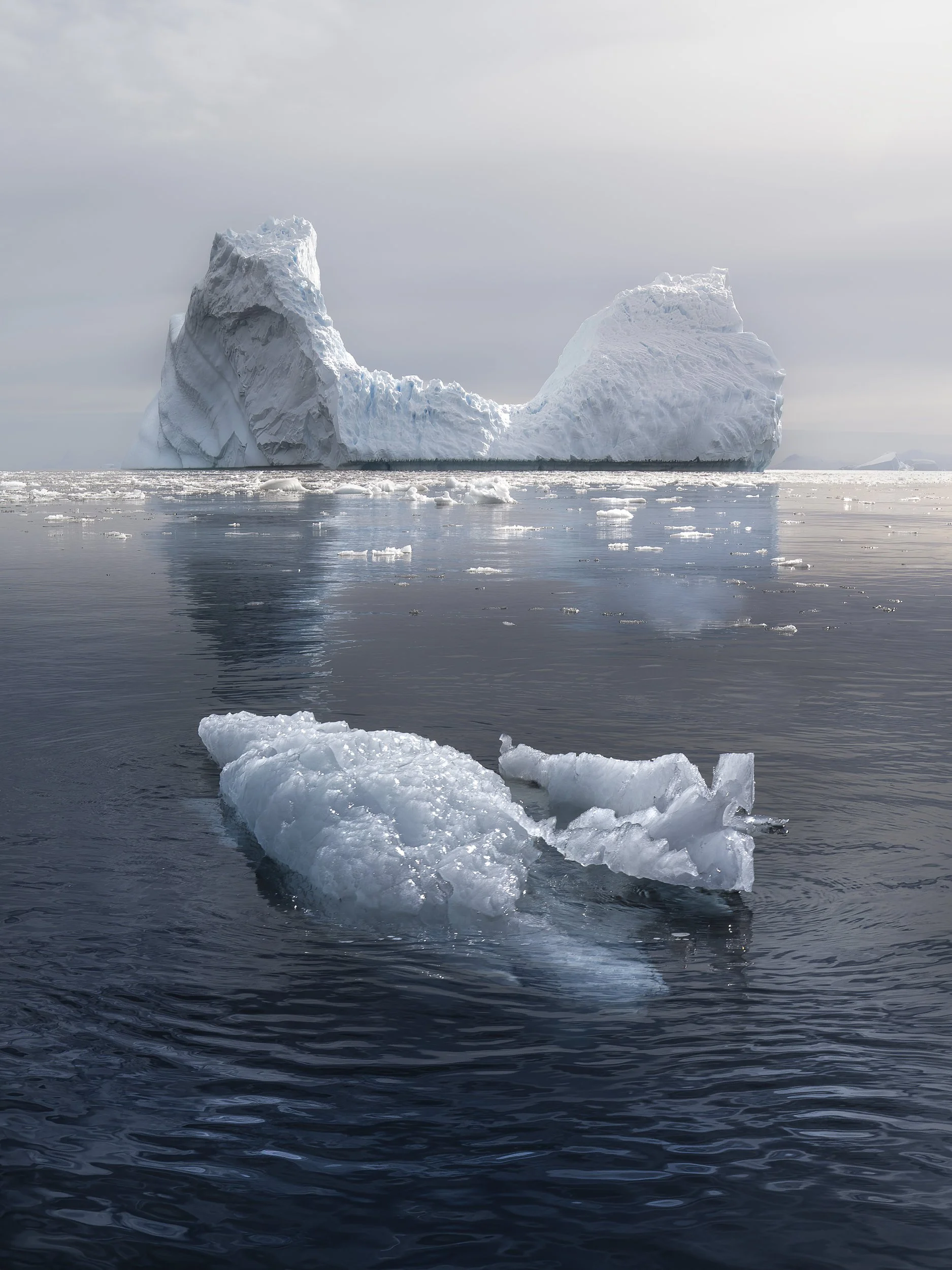
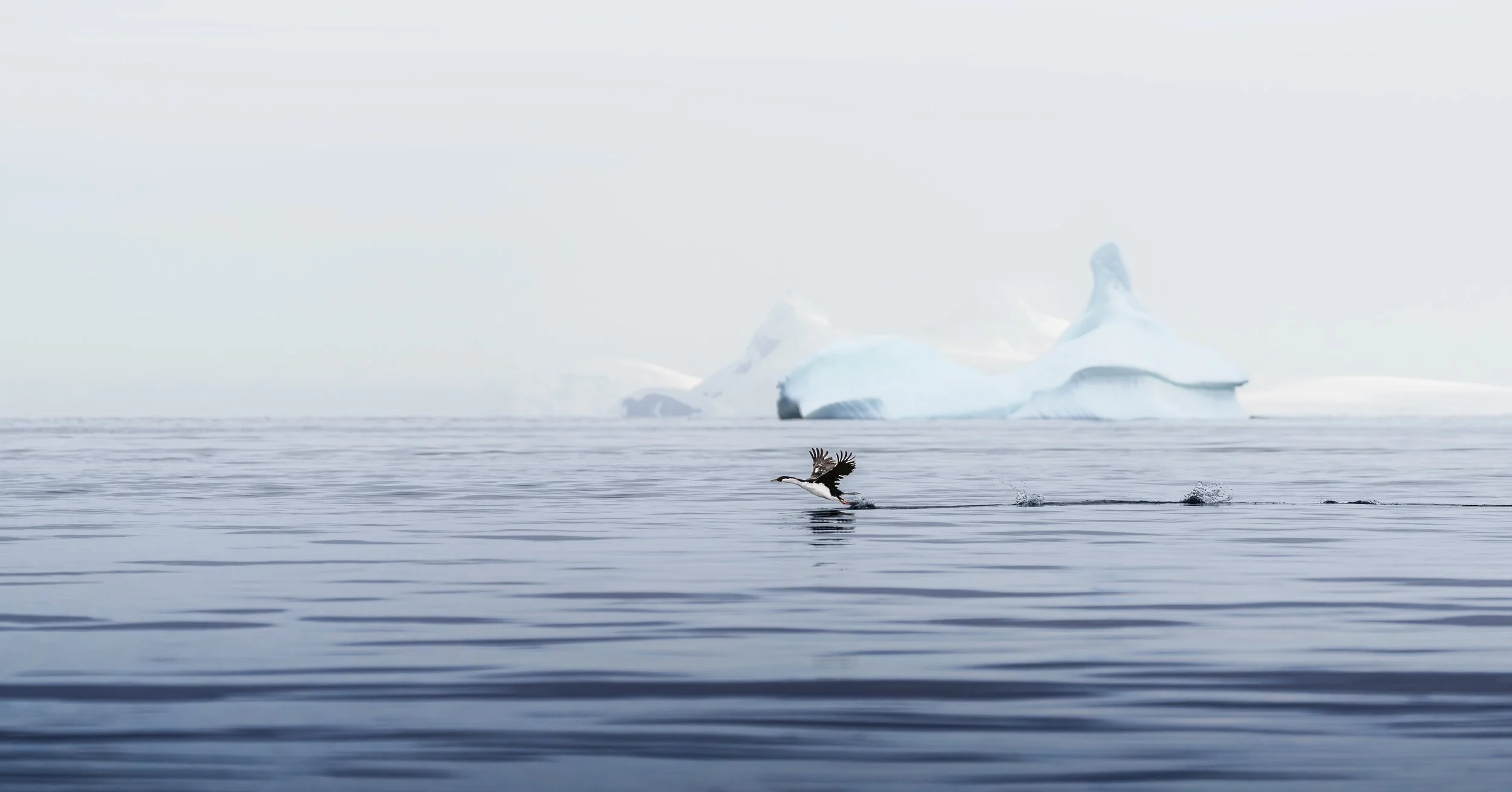
The further south we travelled from our starting point, the more icebergs we could see. And in the bay around the islands there were a few large ones floating about looking calm but threatening. We were also nearly taken out by a flock of low flying blue eyed shags which nest in the area!
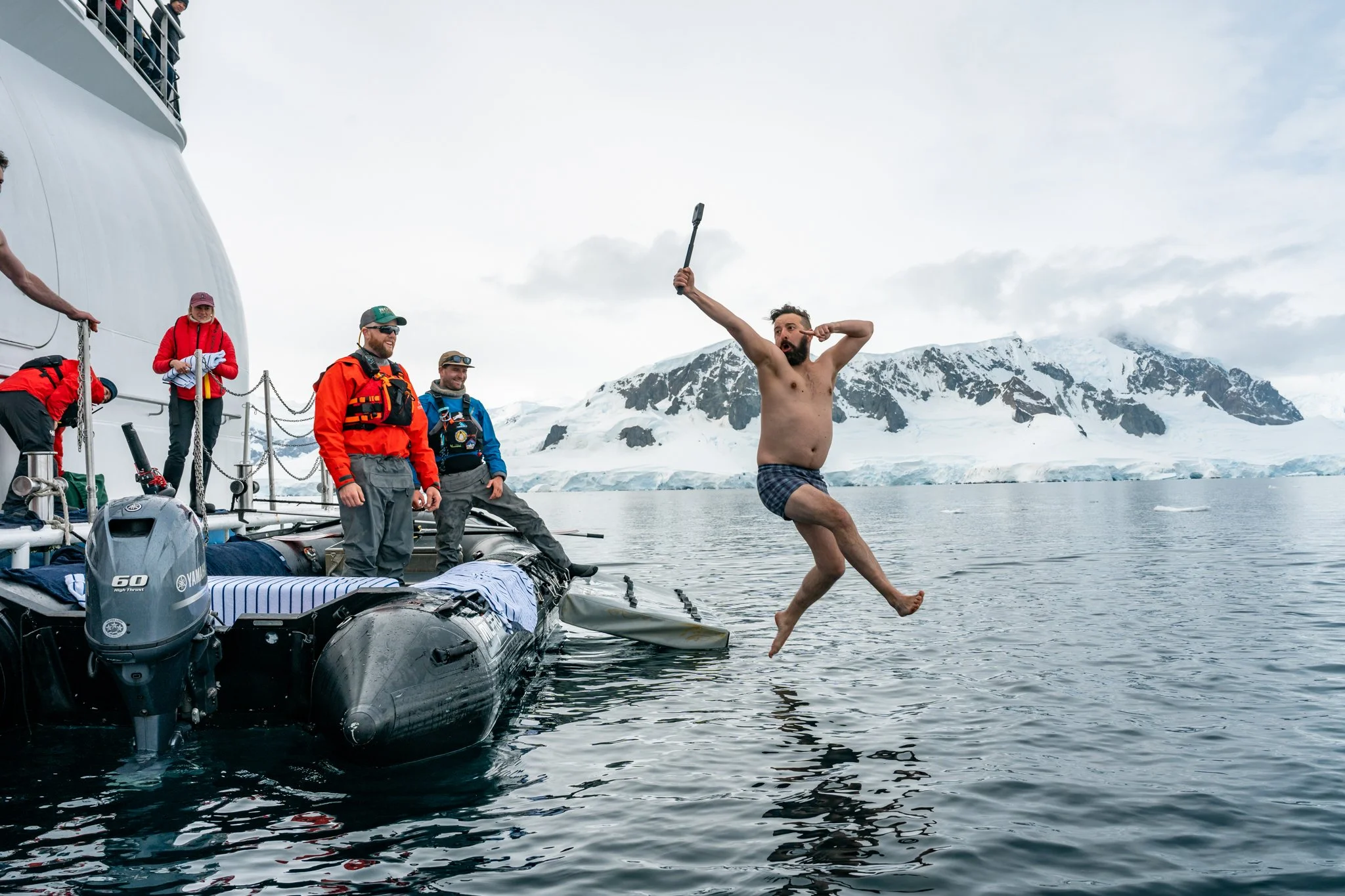
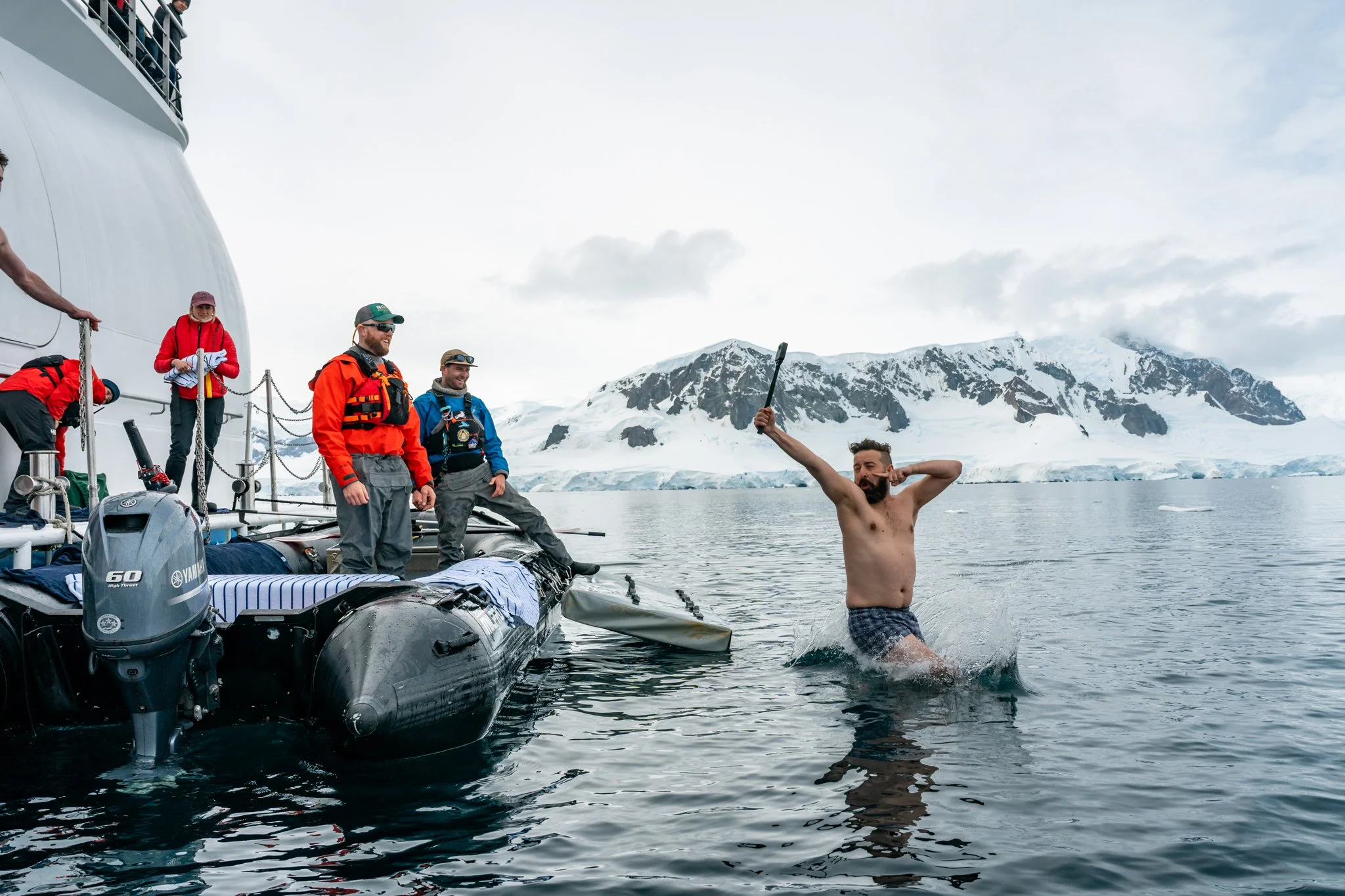
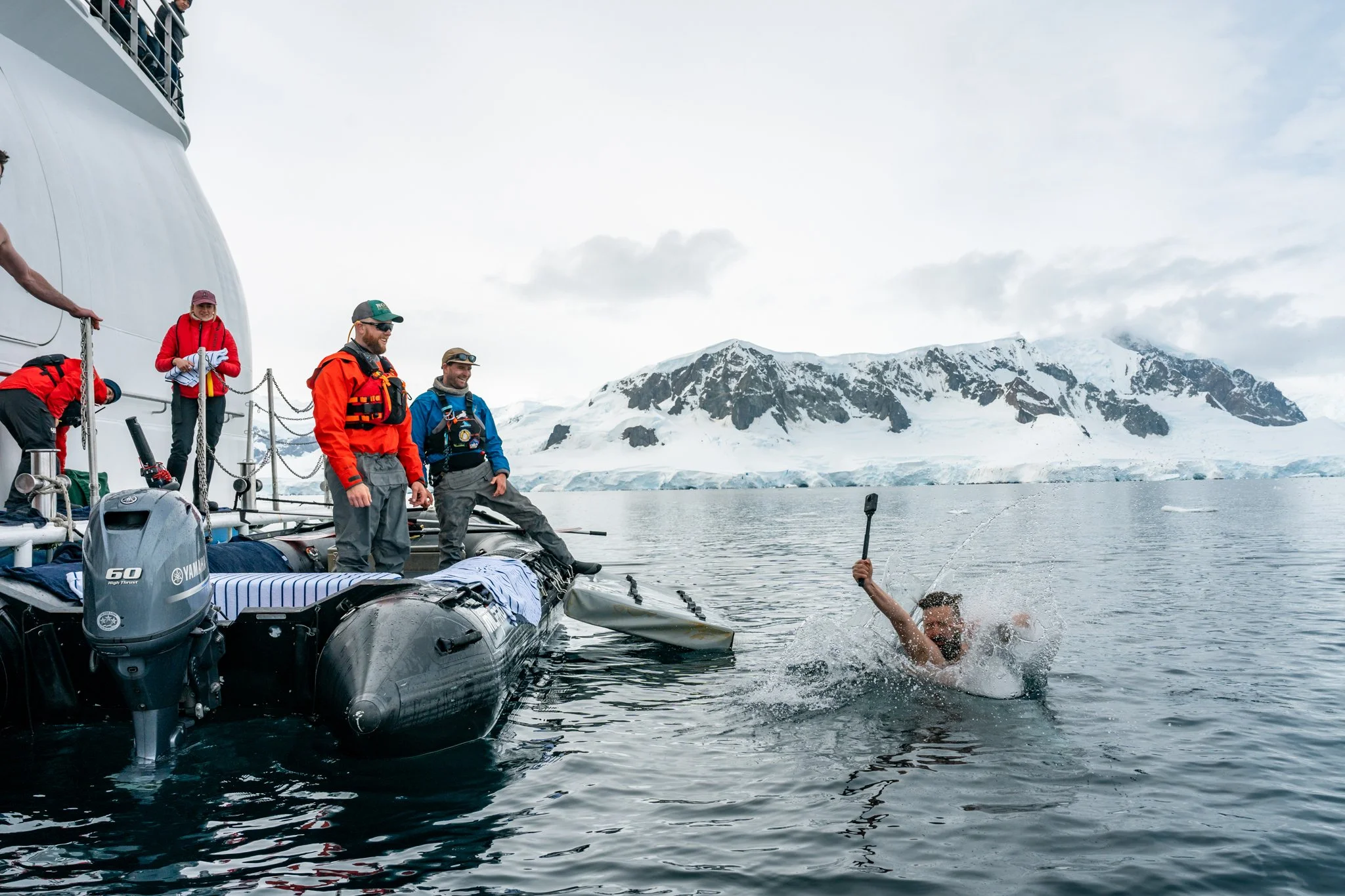
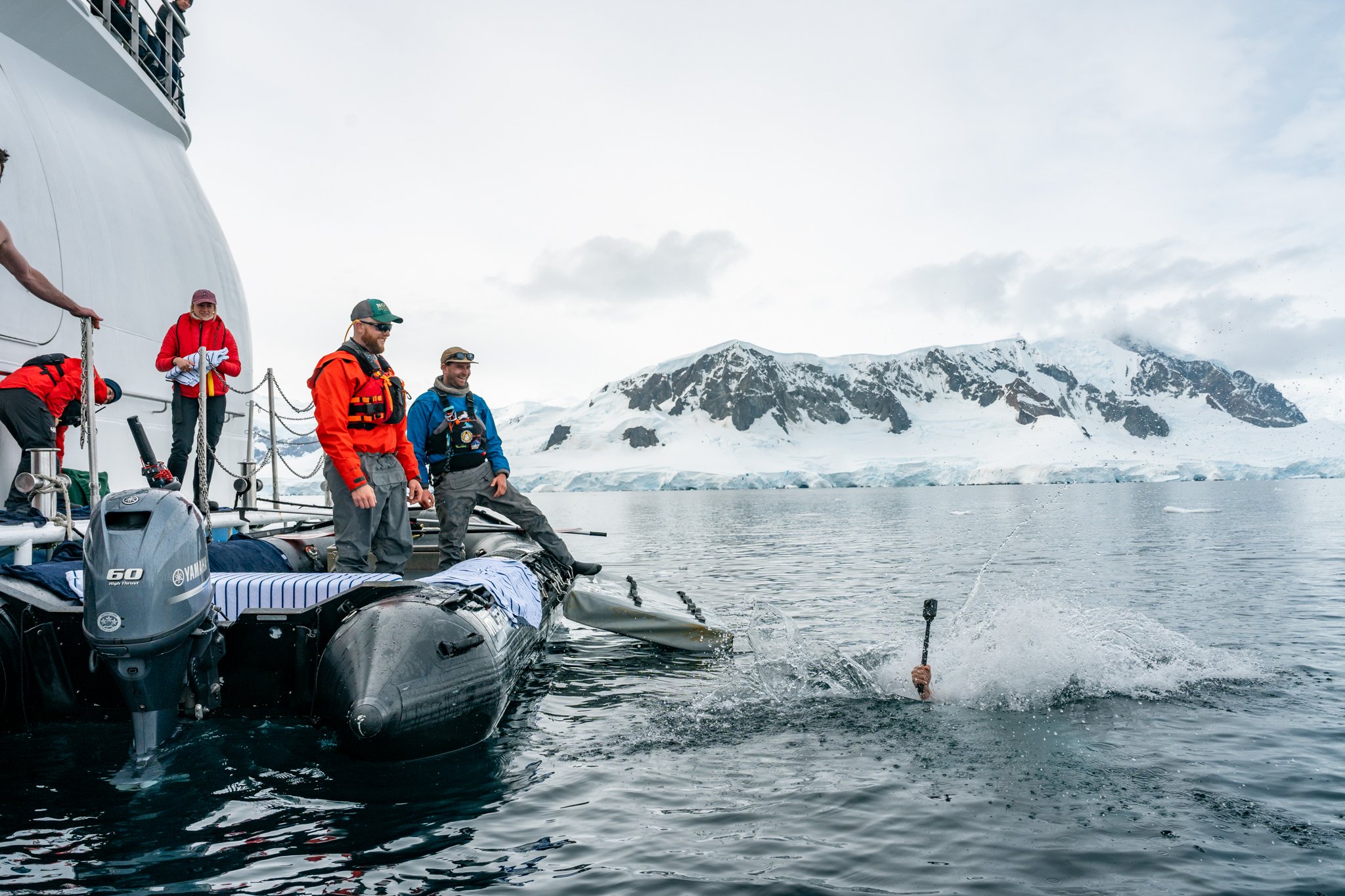
The Polar Plunge
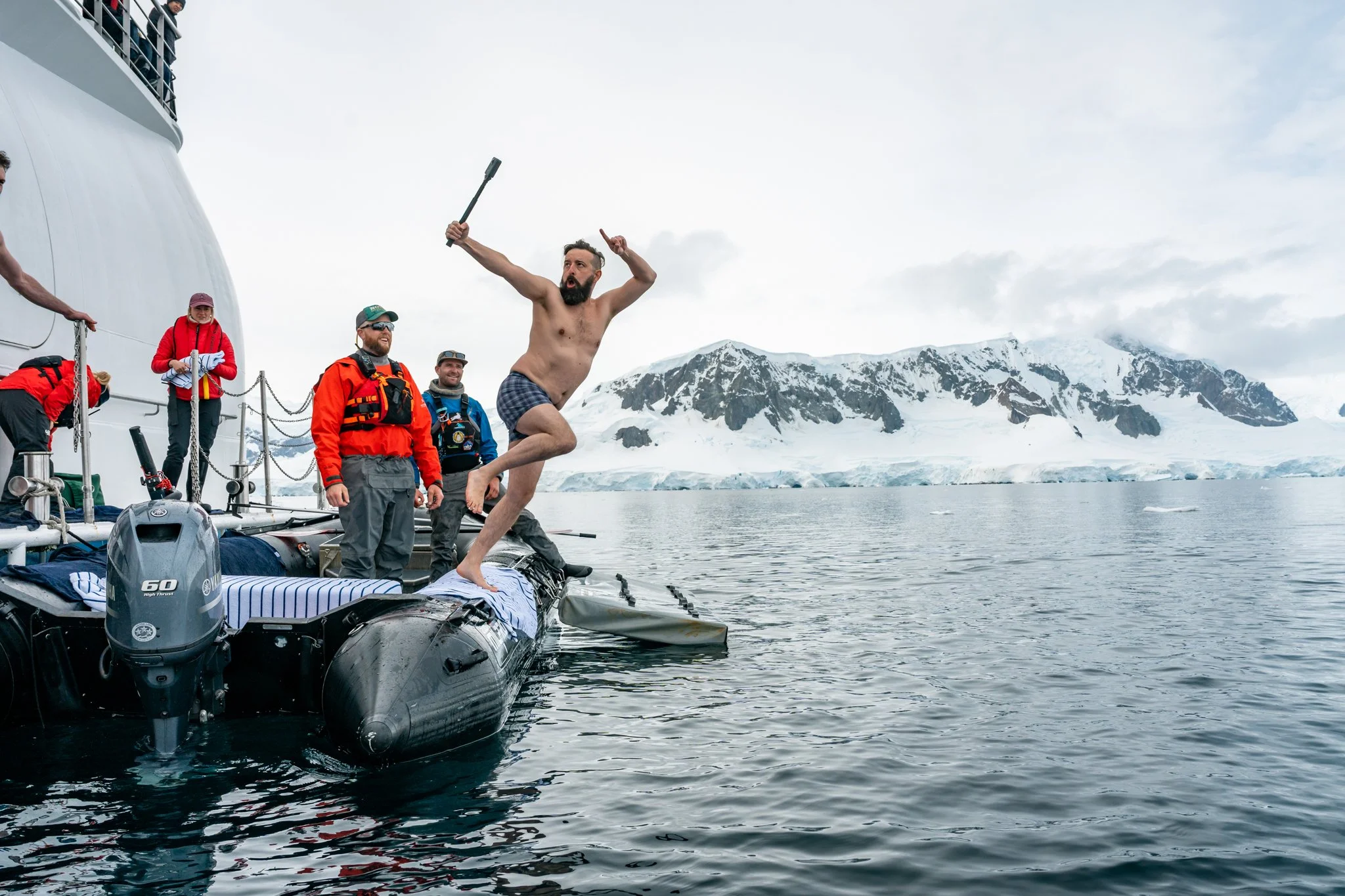
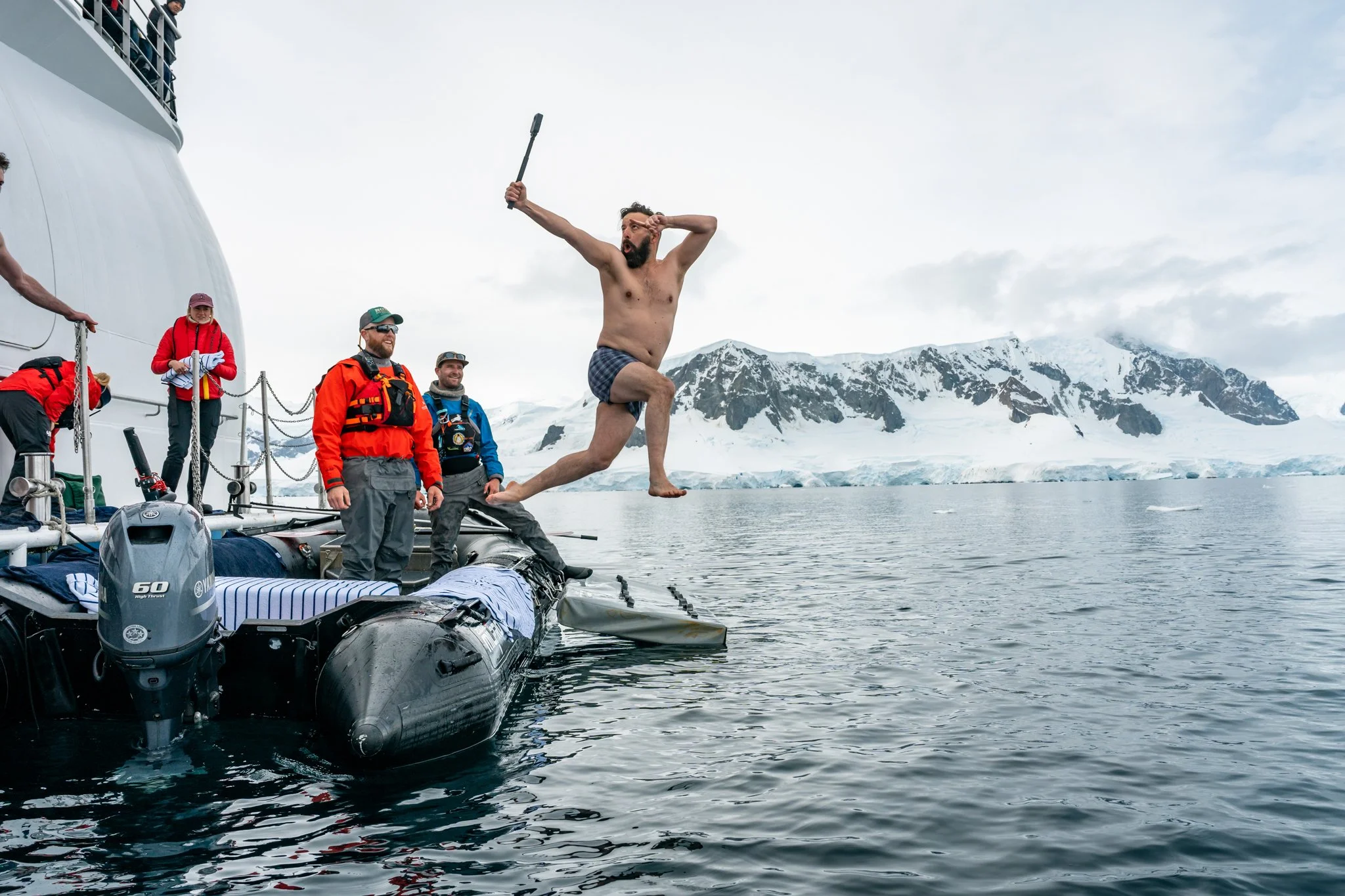
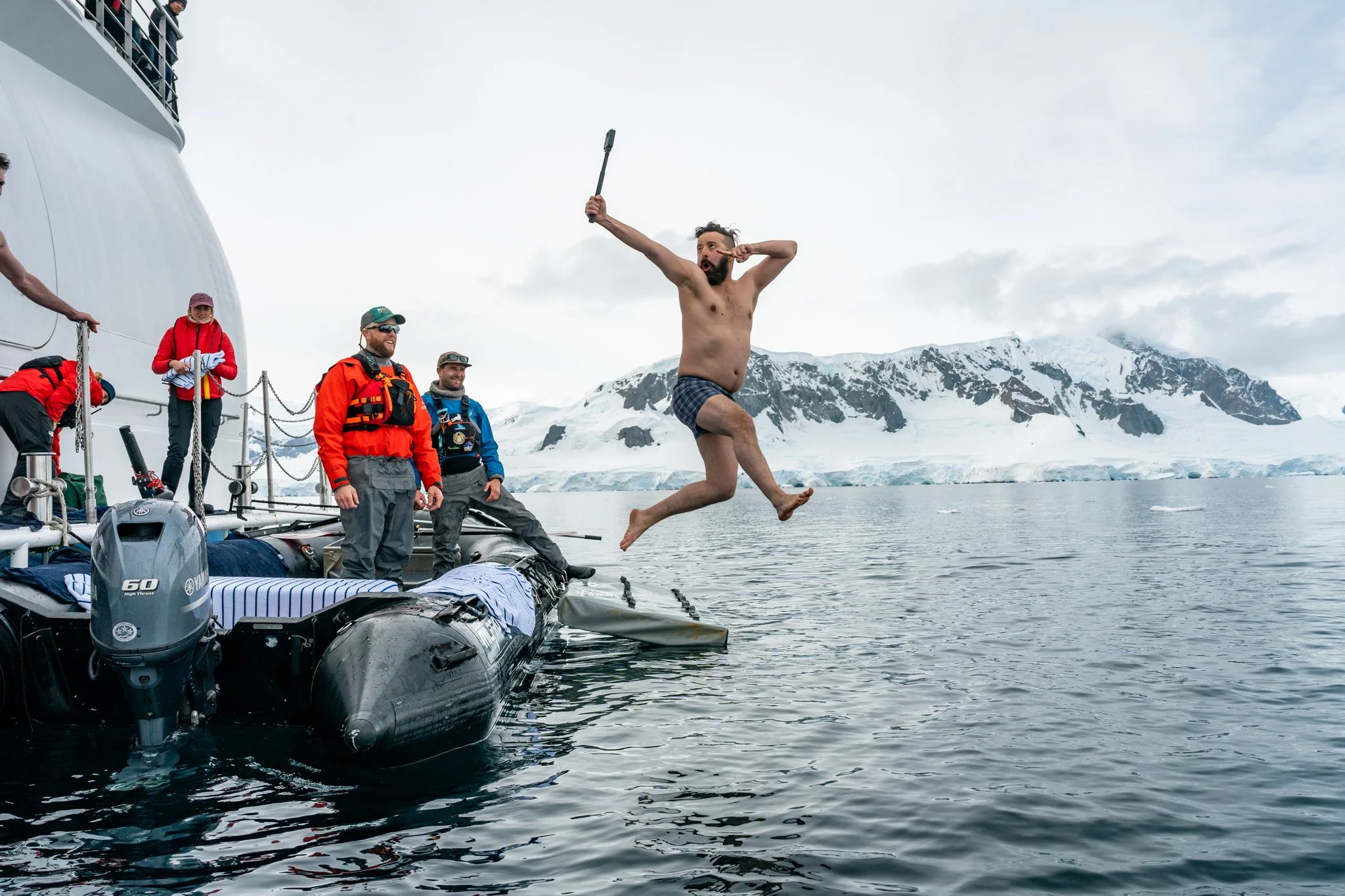
It was a nice sunny day… calm waters… secretive radio chatter between the expedition team whilst we were on the zodiacs.
Once we were back about the Greg Mortimer, we went straight into a safety briefing for the polar plunge!! A quick jump into the mightly cold Antarctic sea.
I had to do it, even if there was the smallest chance I could end up riding a humpback whale around the bay…
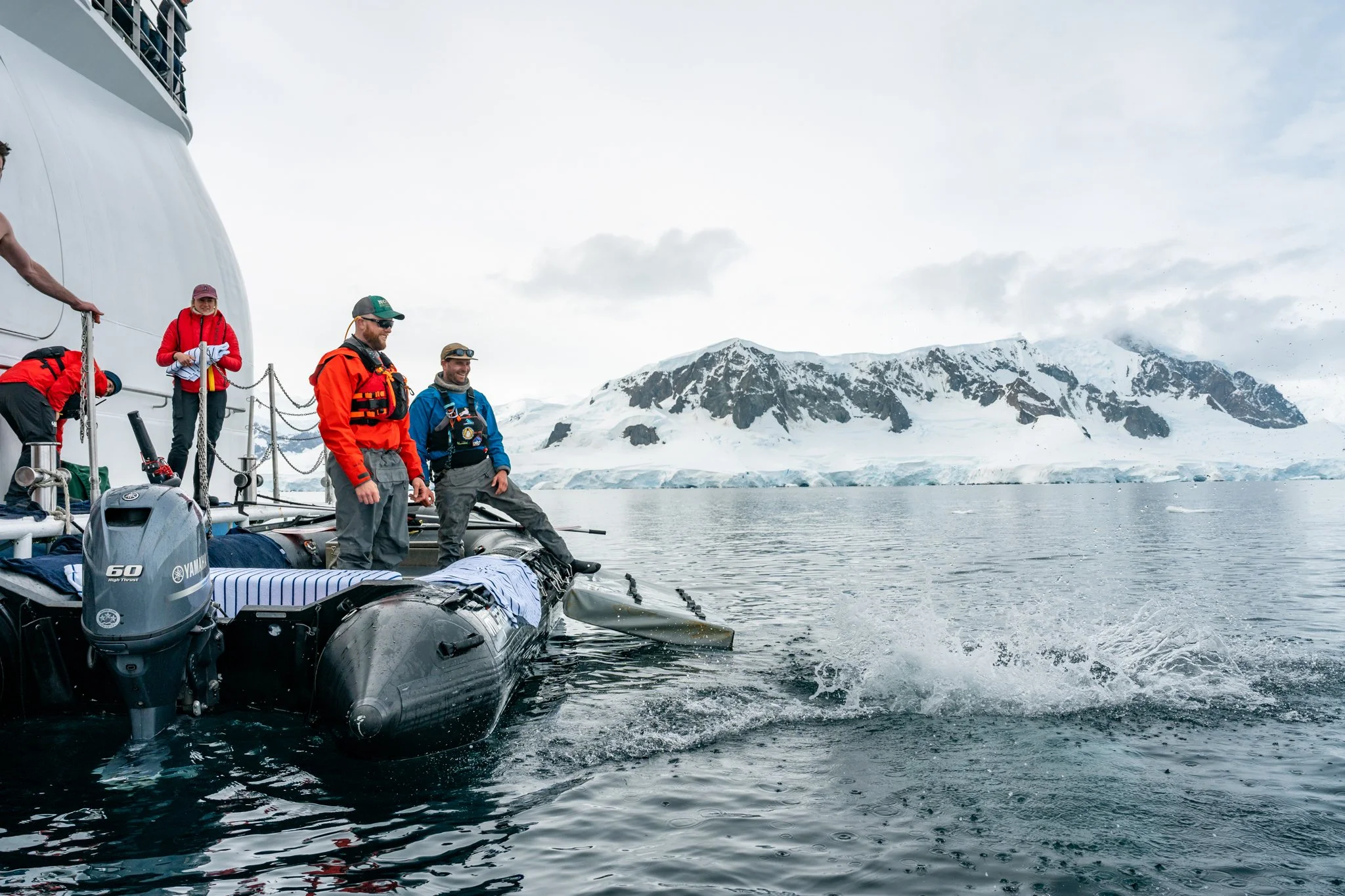
Paradise Harbour and Bay Zodiac Cruise
After warming up with a spot of lunch, the ship went for a short sail towards Paradise Bay where we would have our second zodiac cruise of the day. This new location promised a research station, wildlife, epic mountains and more icebergs than we’d seen to date.
I was excited, the clouds looked amazing, sometimes letting some beautiful light through.
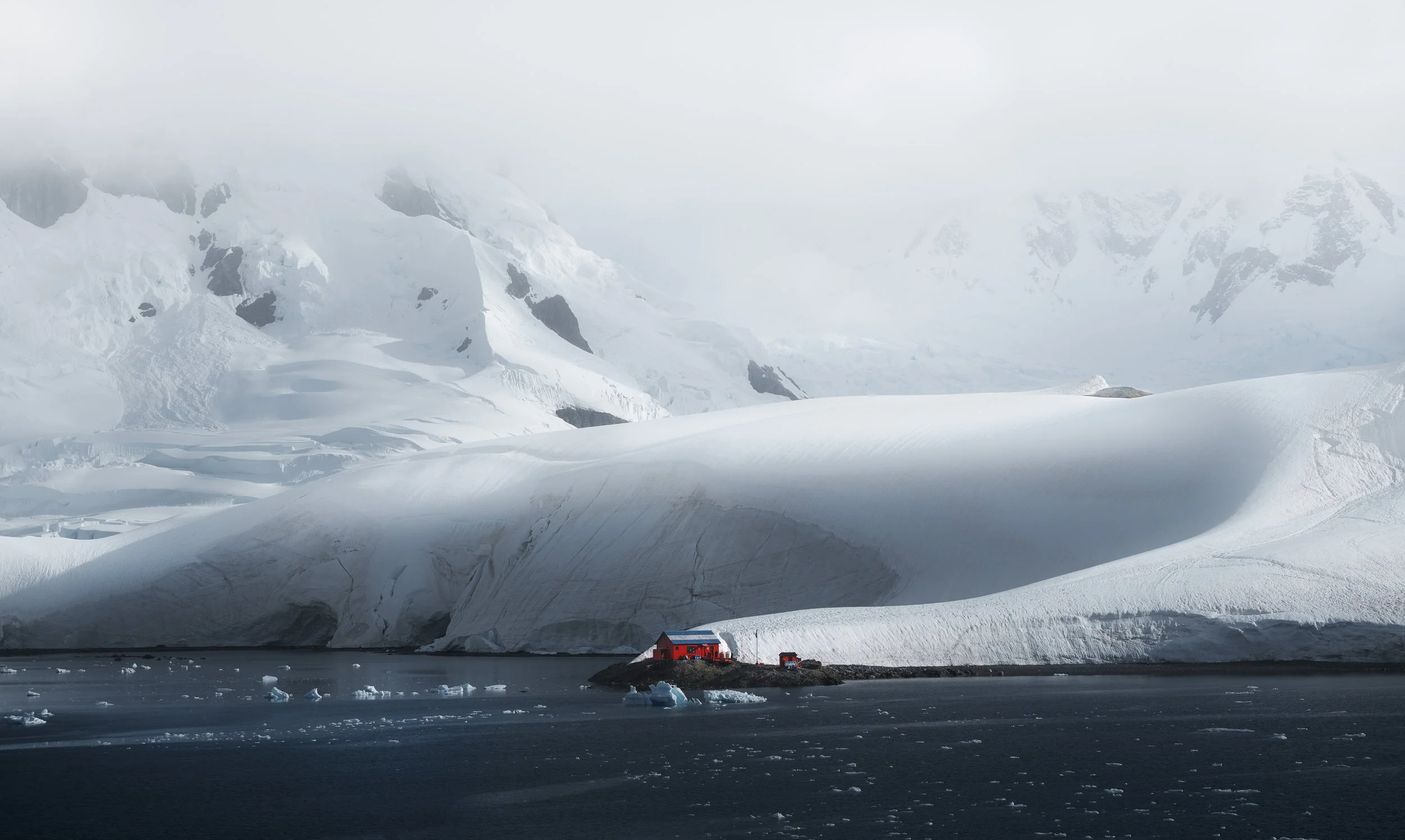
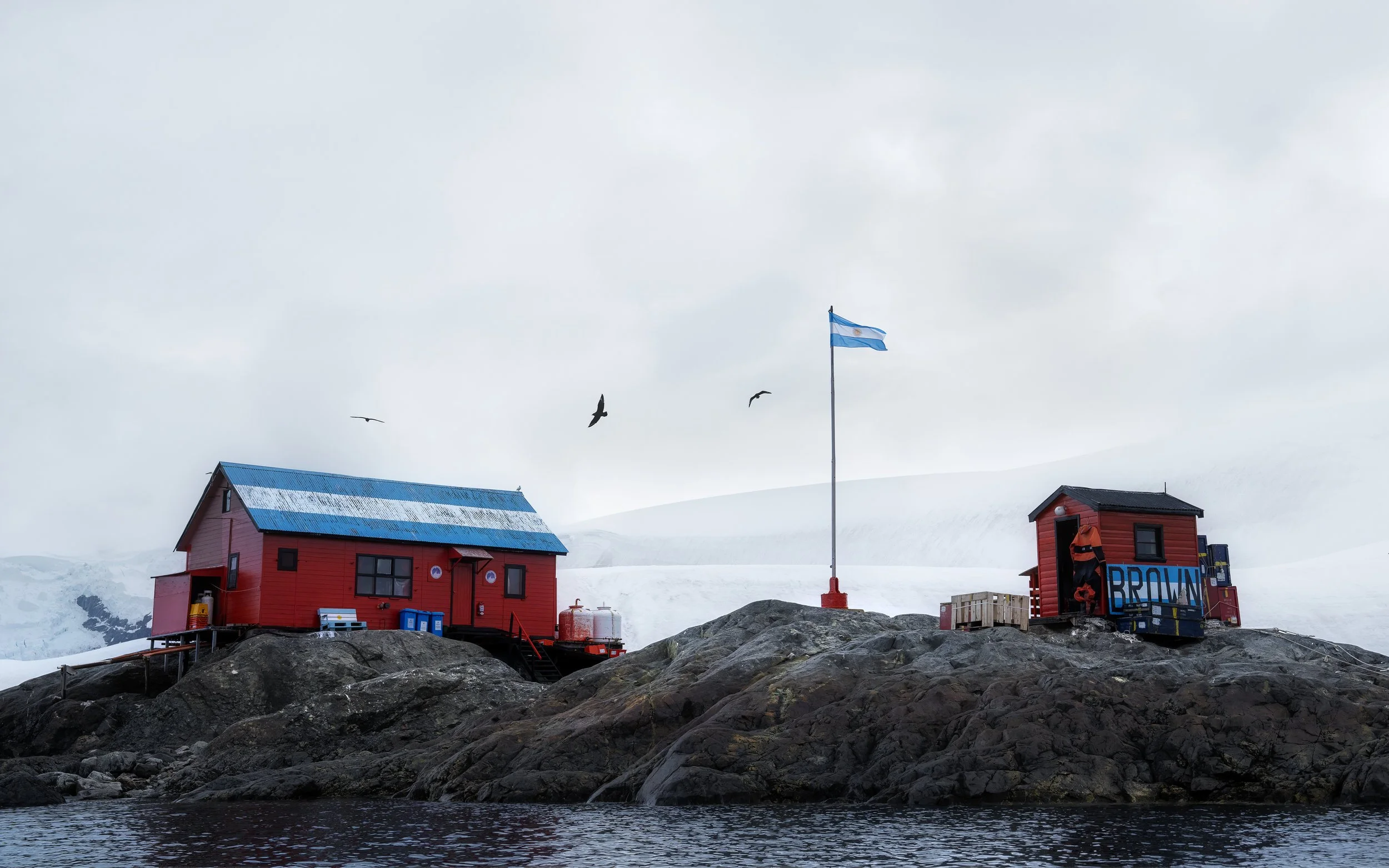
In a harbour behind Bryde & Lemaire Island we dropped anchor in view of Brown Station. Named after William Brown, an admiral and founding member of the Argentine Navy, it was established in 1951. The station served as a permanent base from its construction until 1984, but now it is only used during the summer for the purposes of scientific research.
Brown Station is a powerhouse of Antarctic discovery. From tracking ozone layers and ionospheric shifts to diving deep into oceanography and glaciology, the station’s diverse research initiatives have led to more than 100 scientific publications by the Argentine Antarctic Institute.
From sea-level, it looked even better!
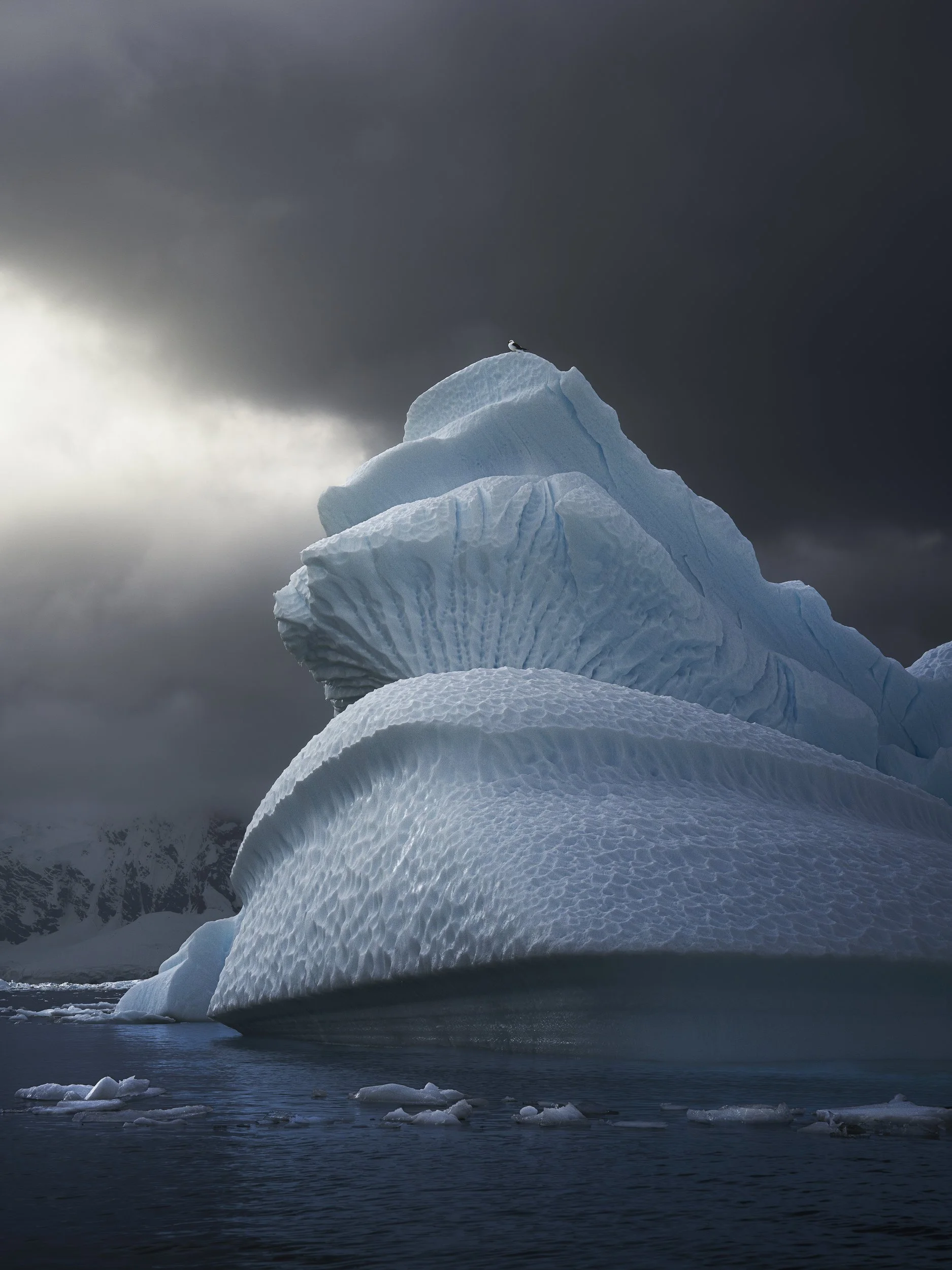
From the station, we explored more of the bay. I had managed to make sure I was on a zodiac with Mads Peter Iversen, in the hope that he would navigate us towards landscape oriented shots rather than wildlife. And I wasn’t disappointed.
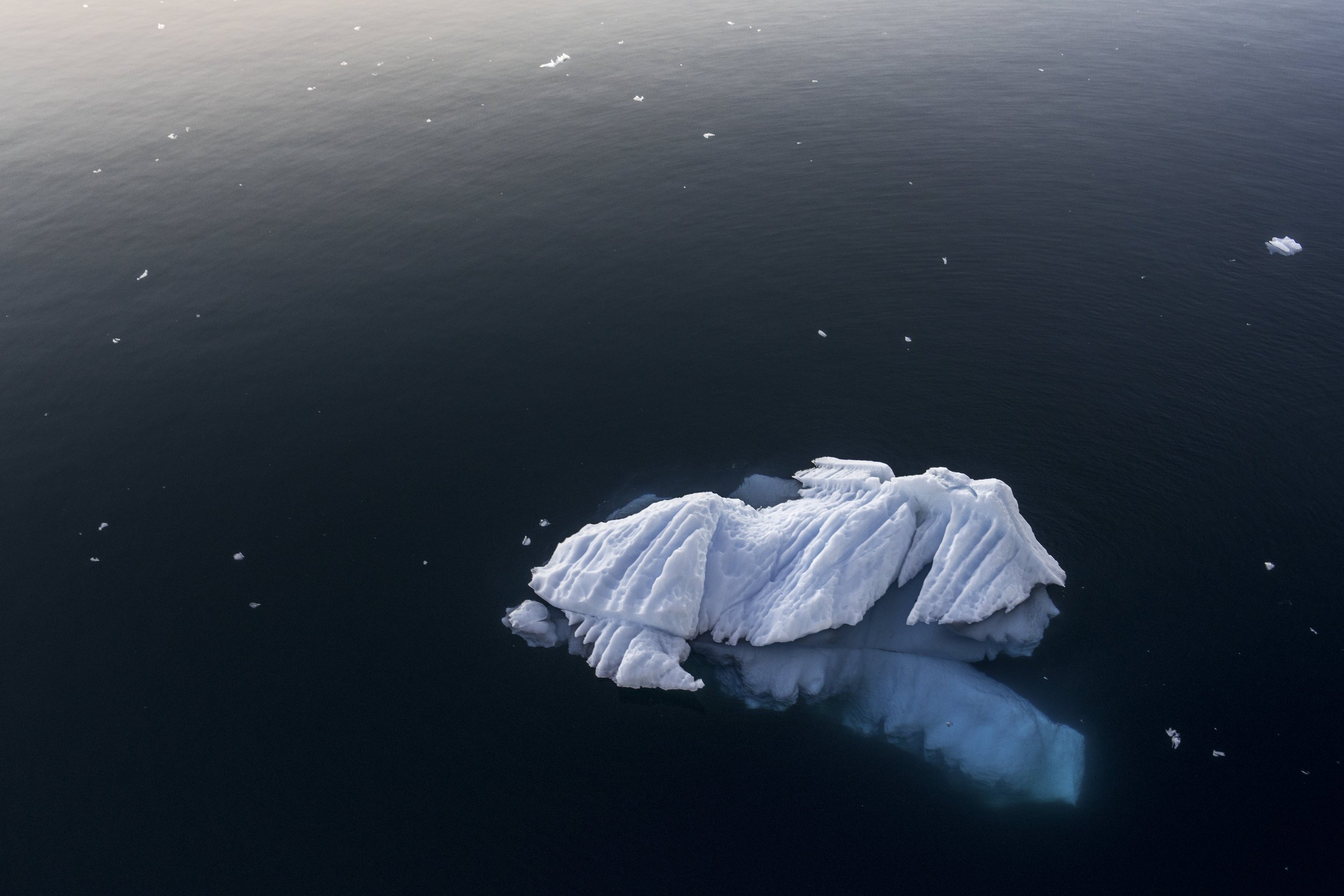
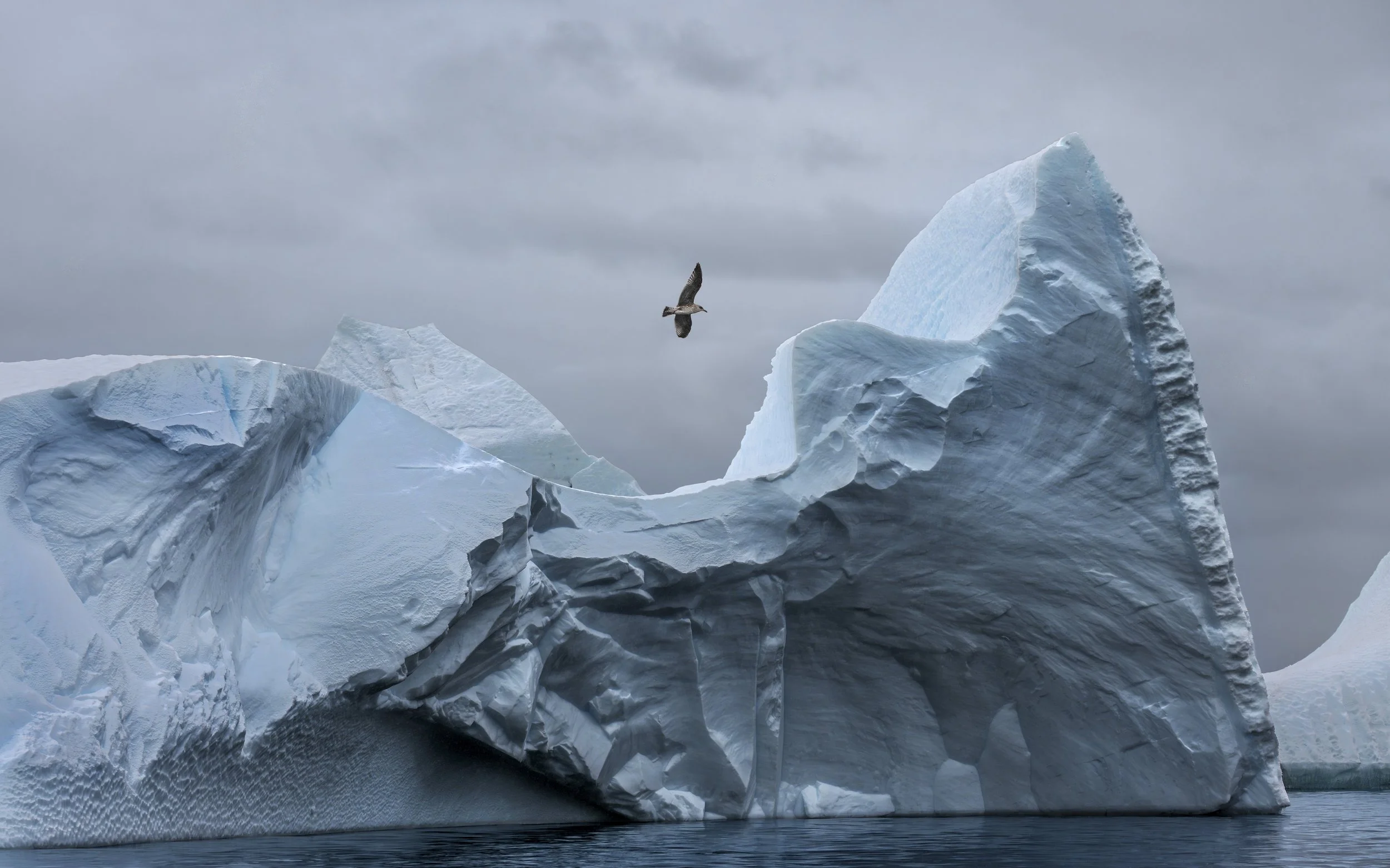
A moody afternoon, sun breaking through, and icebergs. It was a recipe for one of my best iceberg shots of the trip!! There’s a bird on top… so I guess it’s a wildlife shot too!!
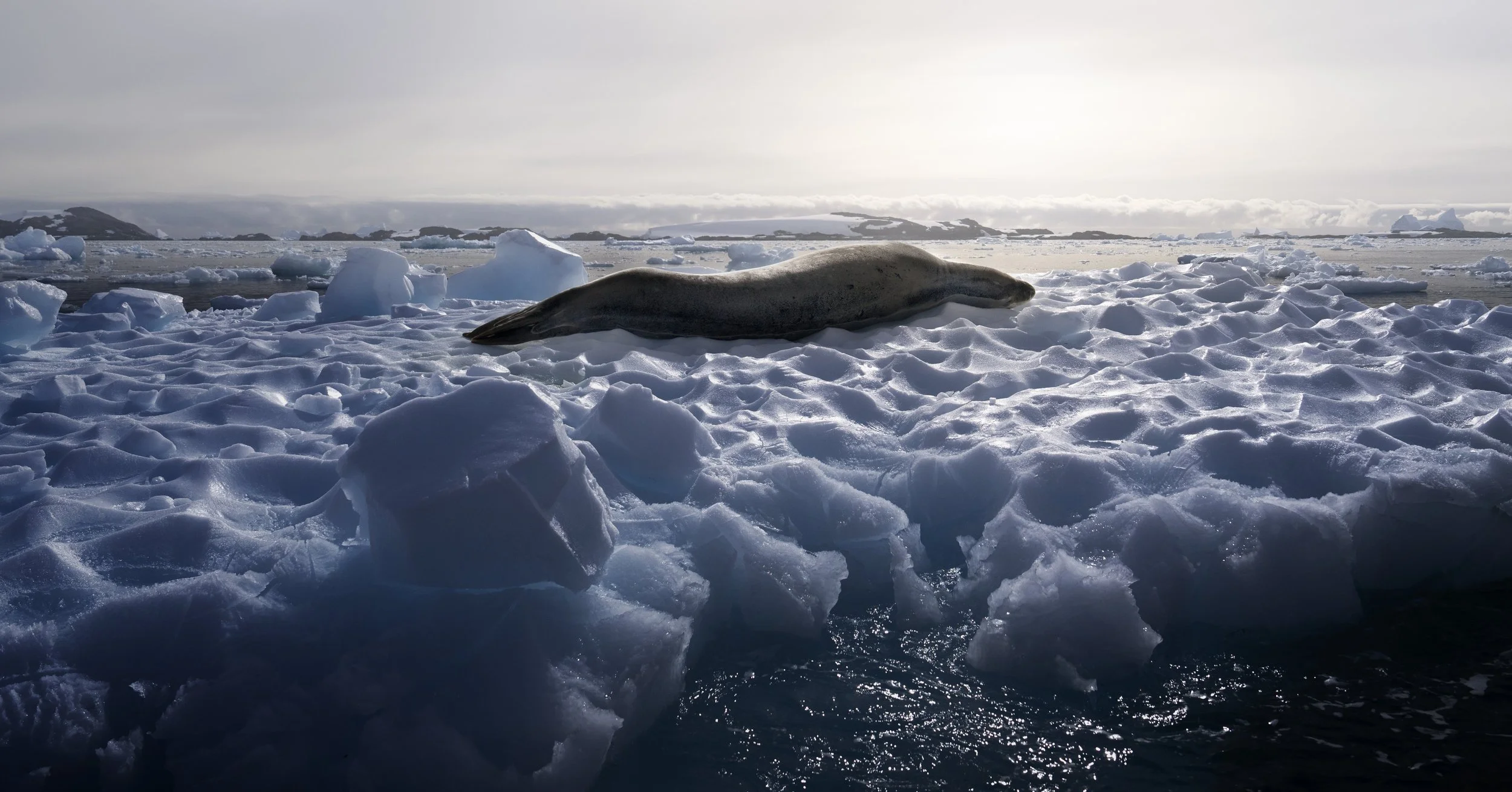
We did get to see some crazy wildlife too, including this leopard seal.
They are the second largest species of seal in the Antarctic. It is a top order predator, feeding on a wide range of prey including krill, fish, and birds, particularly penguins.
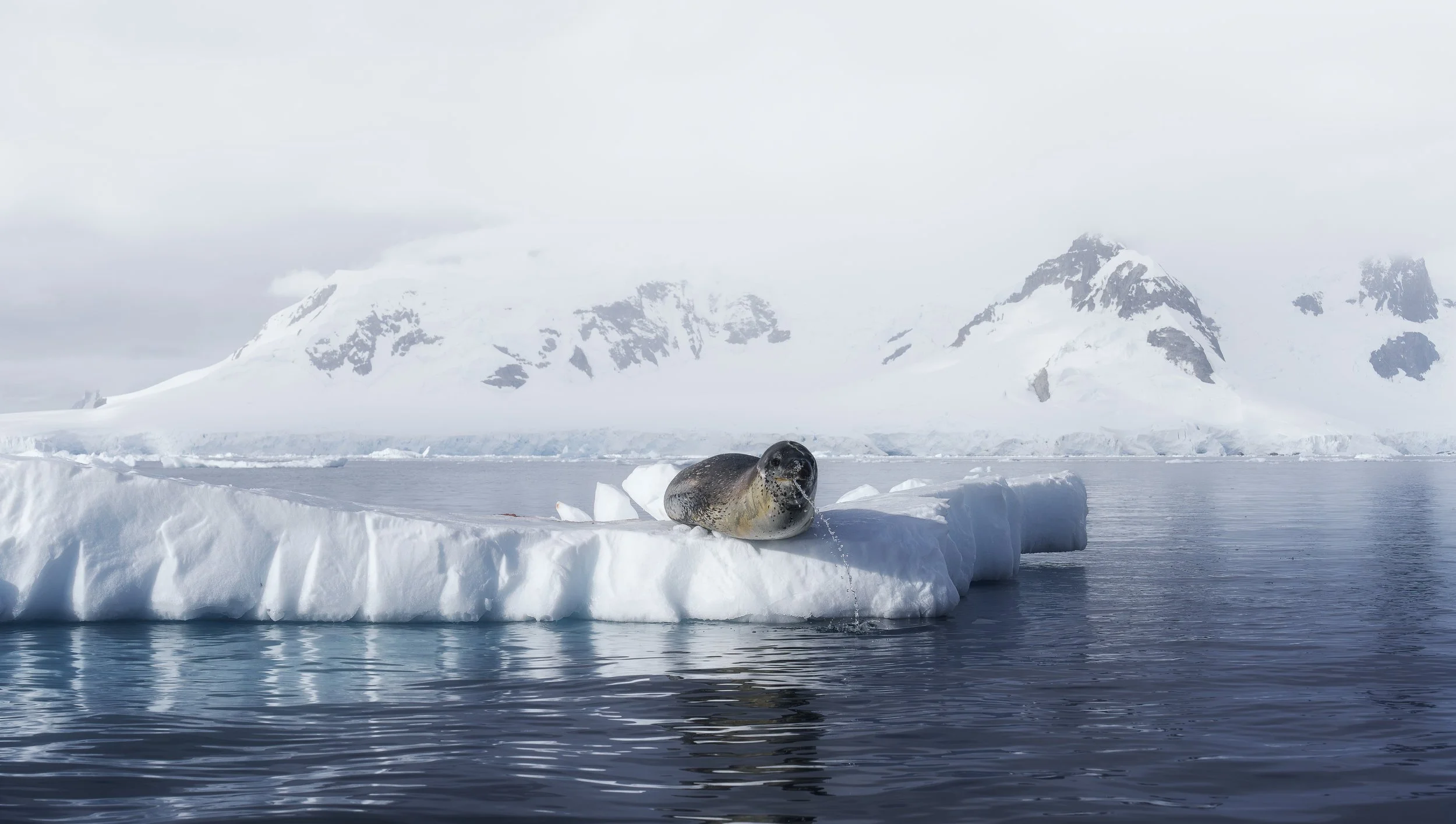
You can just about see behind the seal on the left, a dark patch. Blood from a recent meal.
An incredible Sunset in Paradise Bay
The clouds cleared whilst we were eating dinner. As soon as we’d fueled up, everyone was on the top deck.
The captain was asked to do a very slow cruise through the bay. The water was still. The Sky was a pastel orange pink colour. Surrounded by icebergs, humpack whales and impressivley aggresive mountains.
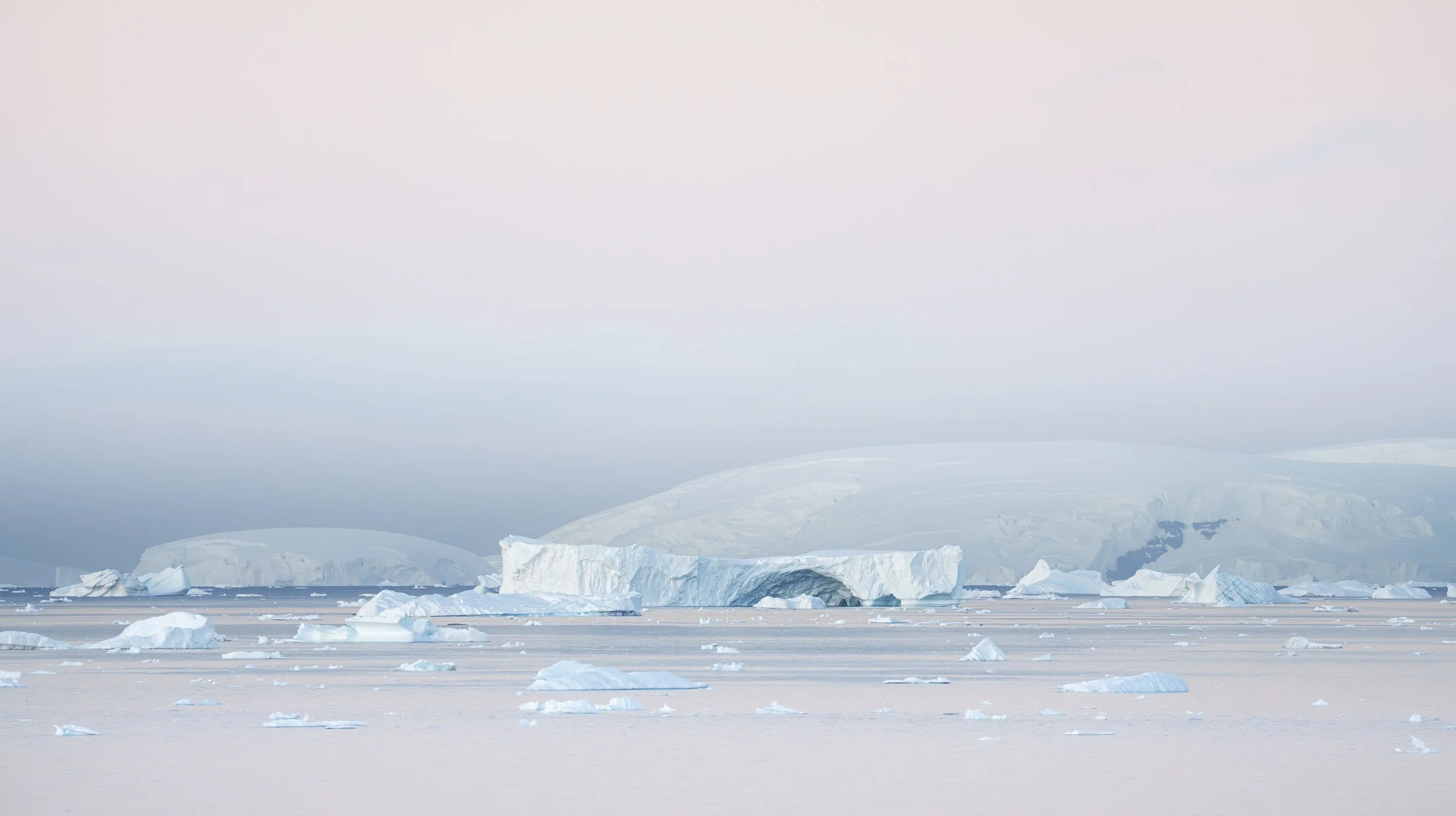
Everyone was in awe. This was Antarctica. This was core memory being created for us all. I don’t think I’ll ever get to see such raw nature in such perfect conditions again in my lifetime. It was THAT good.
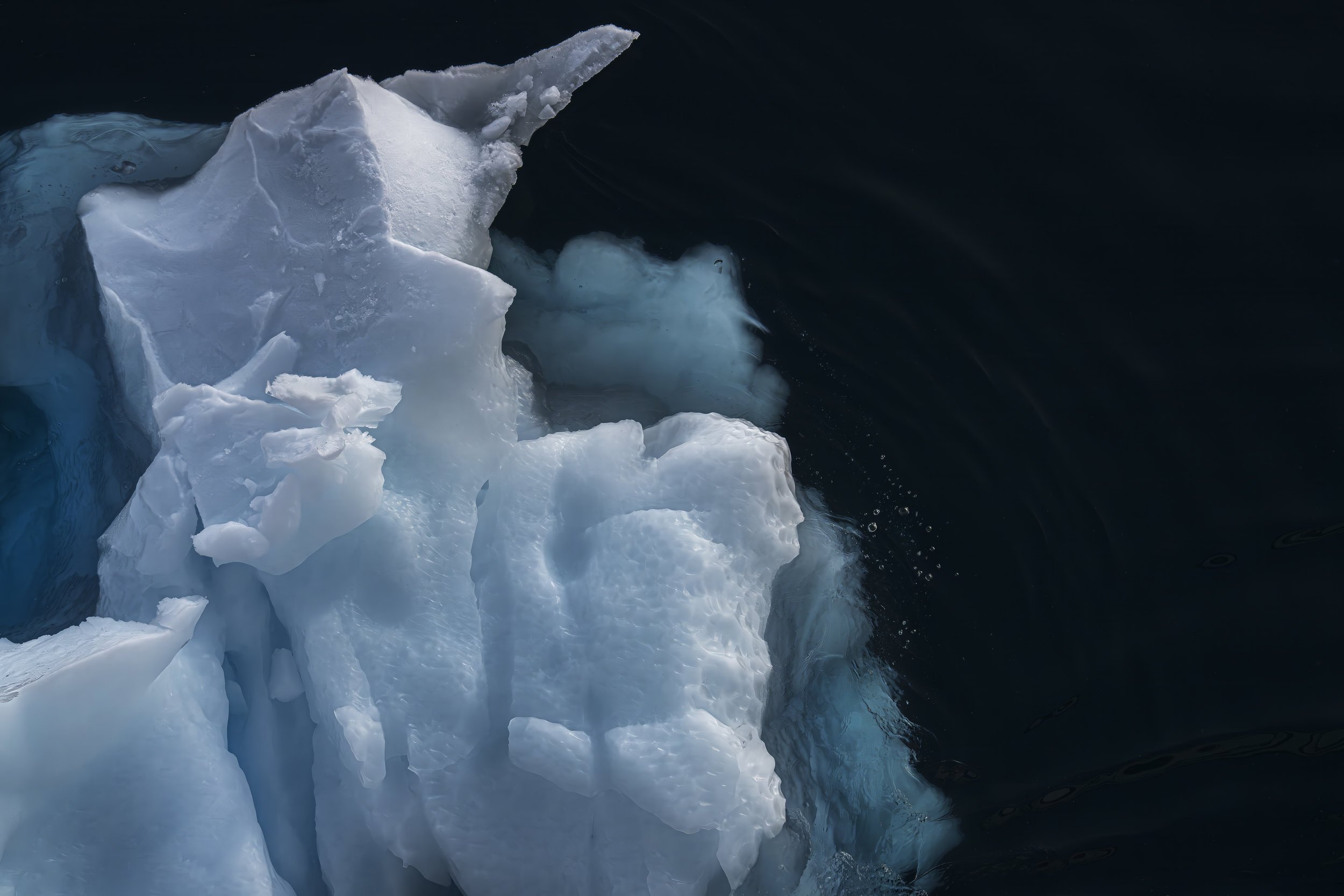
Hanging off the side of the boat, the ripples from the ship and small ice nuggets creating amazing opportunities for abstract photography. The frequency of the engine must have been interfering with the ice.
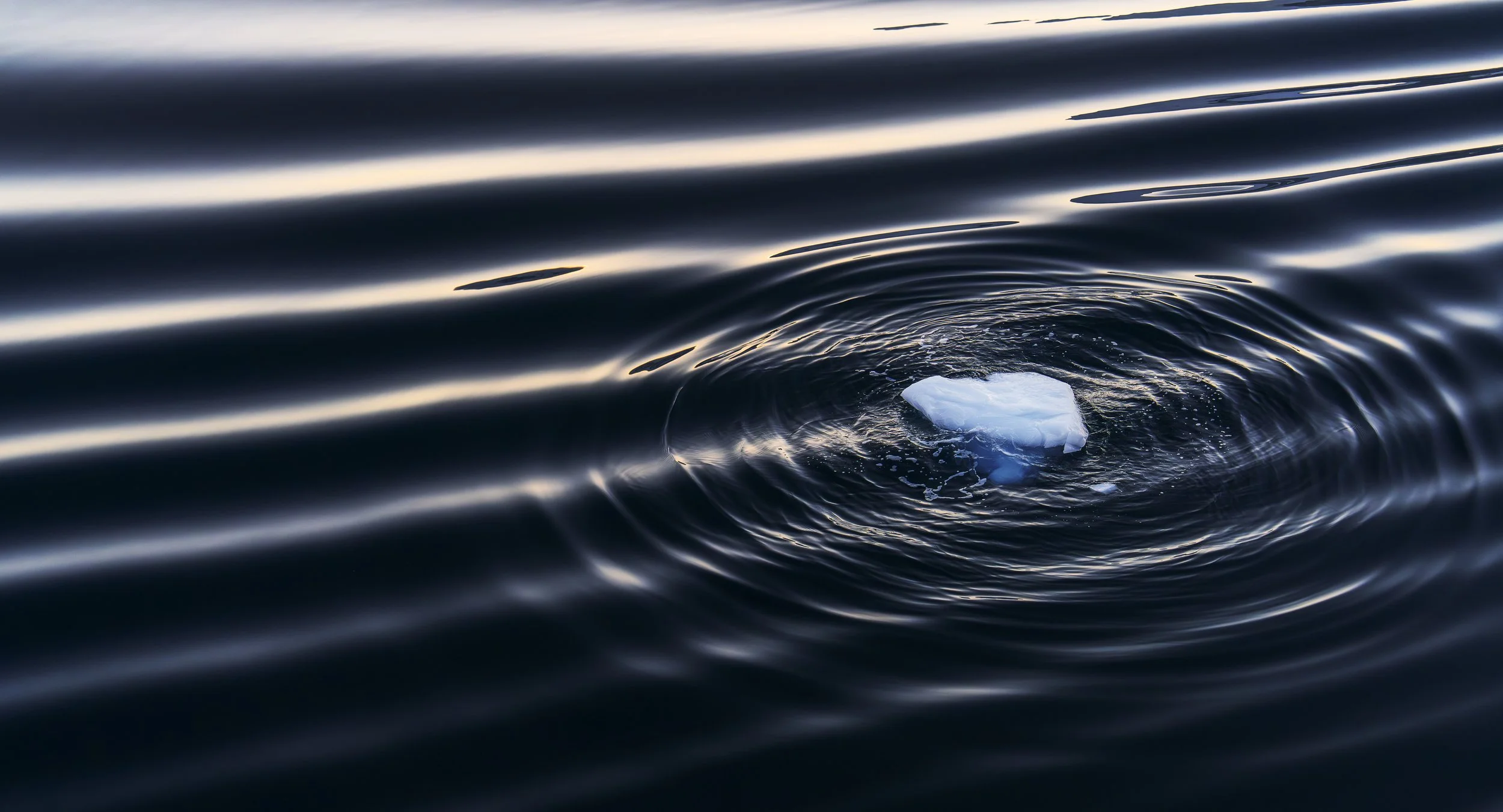
I couldn’t focus on my photography. I just wanted to drink in the surroundings, enjoy the company, burn the visuals into my retina so that I would never forget this moment.
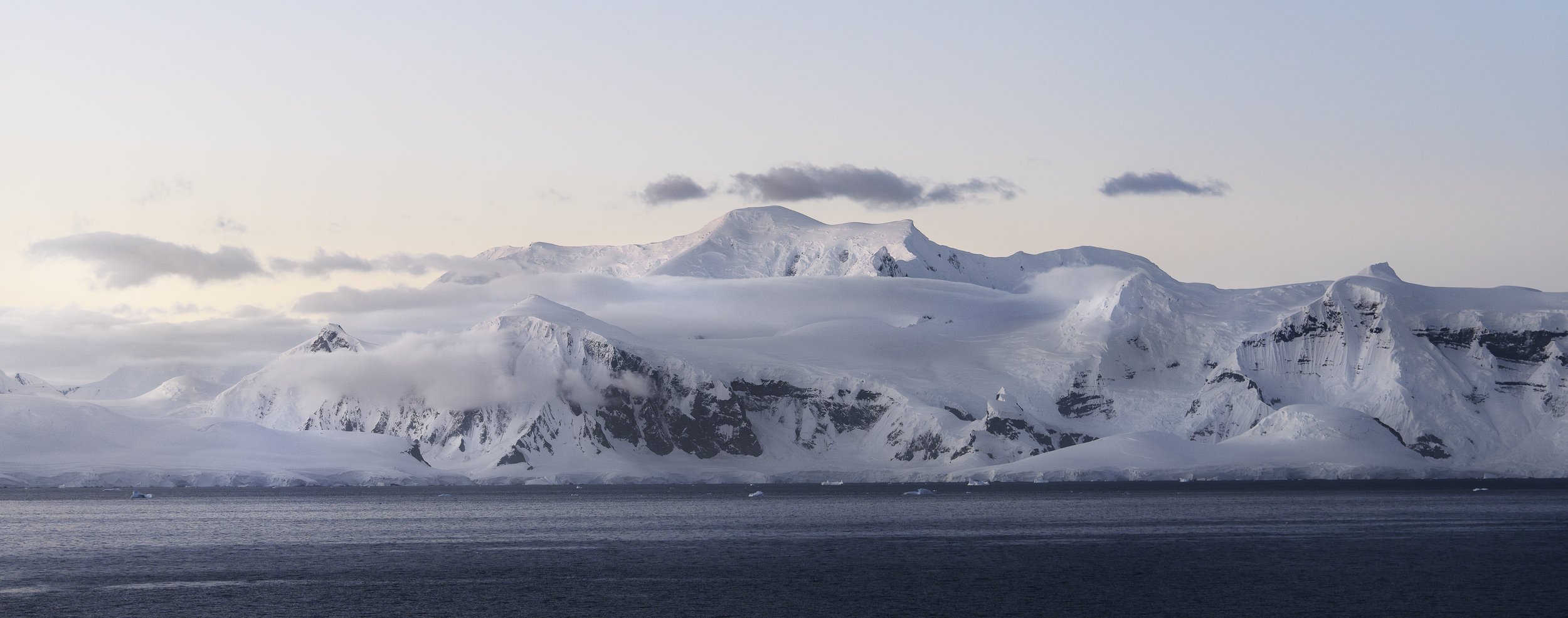
As the sun set, we all slowly filtered inside to the bar. Ordered a Negroni or three and tried to understand what we all just witnessed.
Day 5 - Sunrise in the Lemaire Channel, Peterman Island, Yalour Islands and an evening surprise
We didn’t know it yet, but this was going to be our busiest day yet! It started with yet another sunrise trying to shake of the hangover shackles from the previous nights cocktails and beers. 4:30 am up on top deck, and the colours were still incredible.
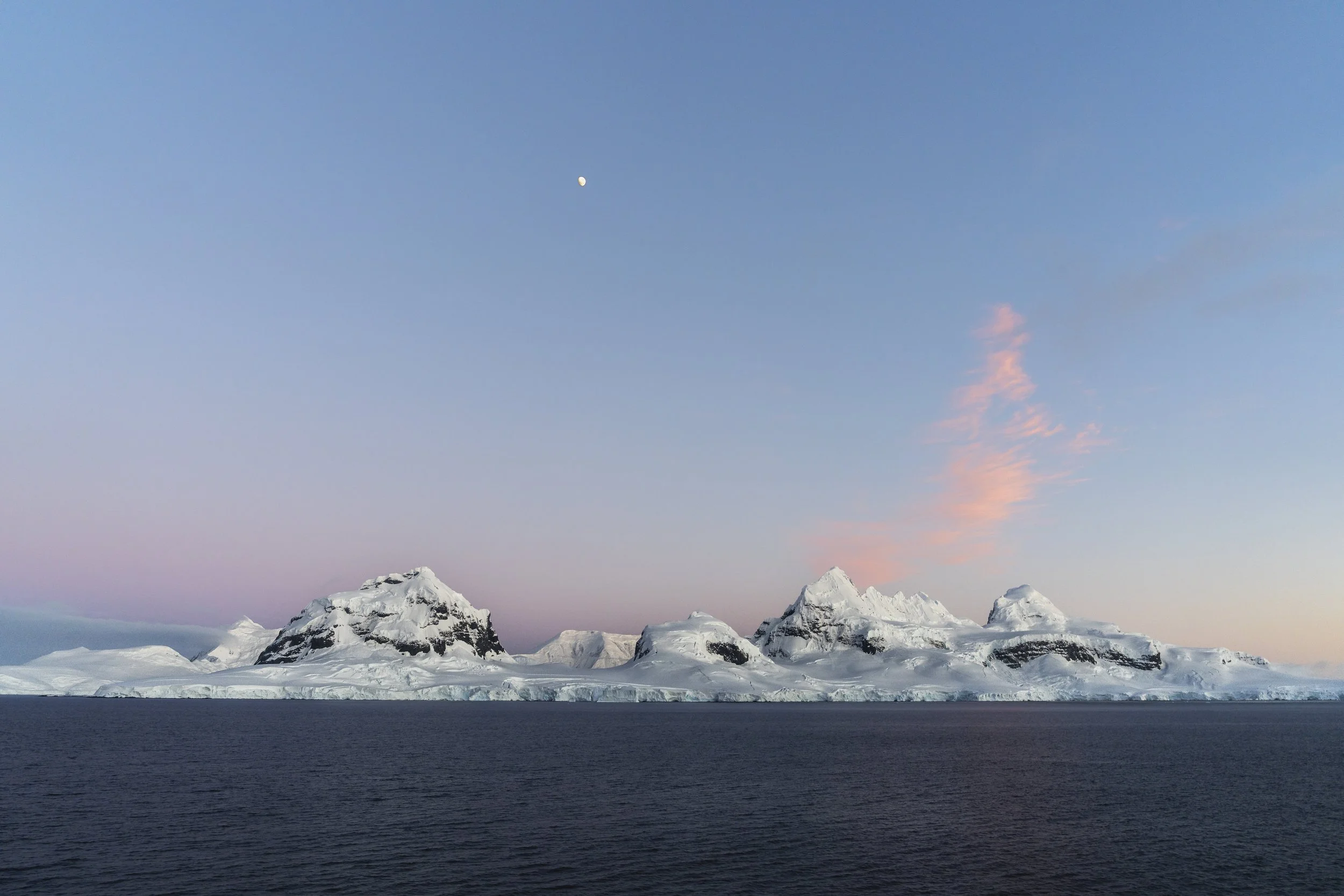
We had to wait for for another cruise ship to sail north through the Lemaire Channel. It gave a rare opportunity to try and show scale through photographing the ship against the backdrop of Una’s Tits.
Yes you heard me right, whalers in the early days of Antarctic expedition named the pair of pert peaks you can see in the middle of the panorama below, Una’s Tits. And a mighty fine pair they are too.
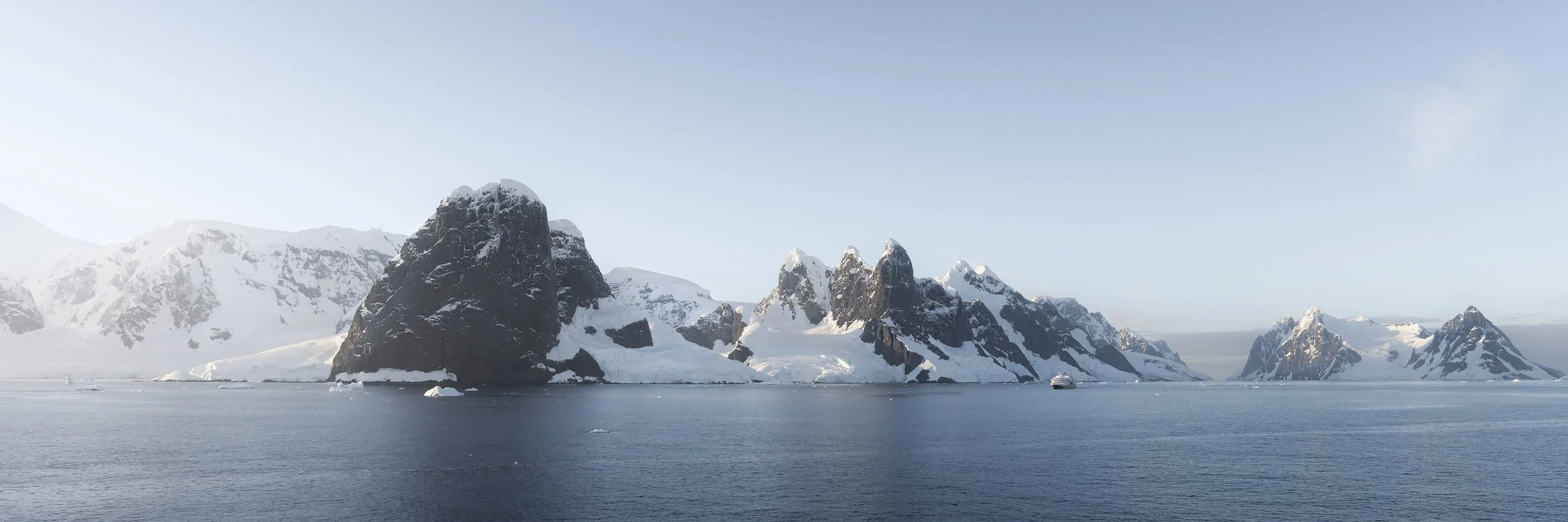
Lemaire Channel
Nicknamed the 'Kodak Gap' for its stunning scenery, the Lemaire Channel is an 11-km strait nestled between Booth Island and the Antarctic Peninsula. It’s sheltered by steep cliffs and glaciers on either side, the outside swell struggles to get, which causes glass-like reflections on clam weather days.
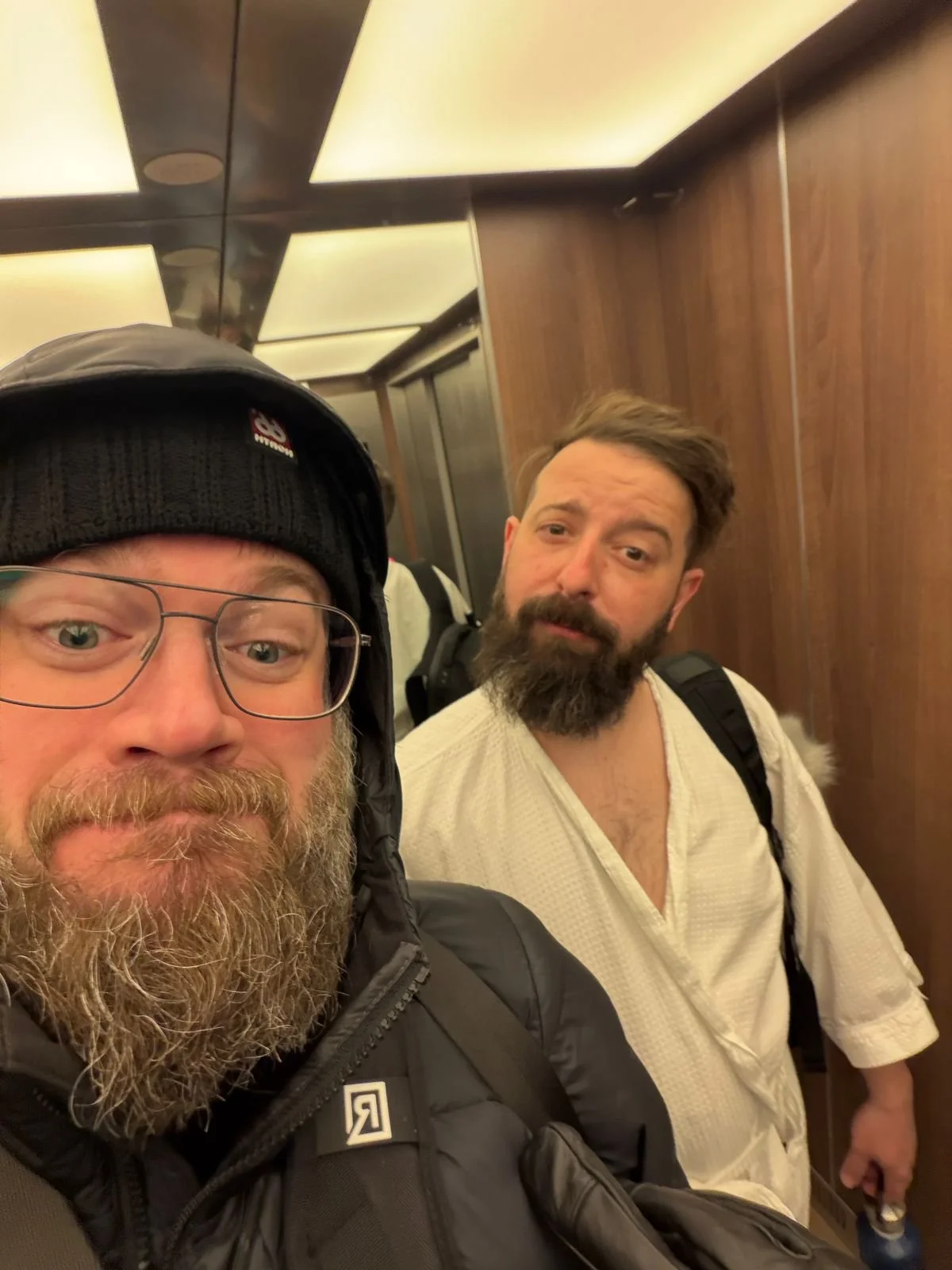
By this point of the trip, I had hardly slept. And when I had, not properly due to excitement, FOMO and tasty beer consumption. I had decided I wanted to enjoy the scenery from the comfort of the hot tub. I nipped back to my room, popped on my budgie smugglers and headed up in the lift.
Before I got to the top deck… the lift stopped. Jeroun (or JVN as you might know him) got in, perplexed, perhaps slightly aroused, decided to capture the moment.
I stripped, jumped in and discovered a photography hack. Despite it being near freezing, with no wind I could jump out the tub, take some photos for a few minutes without getting too cold. Once done, jump back in and warm back up!
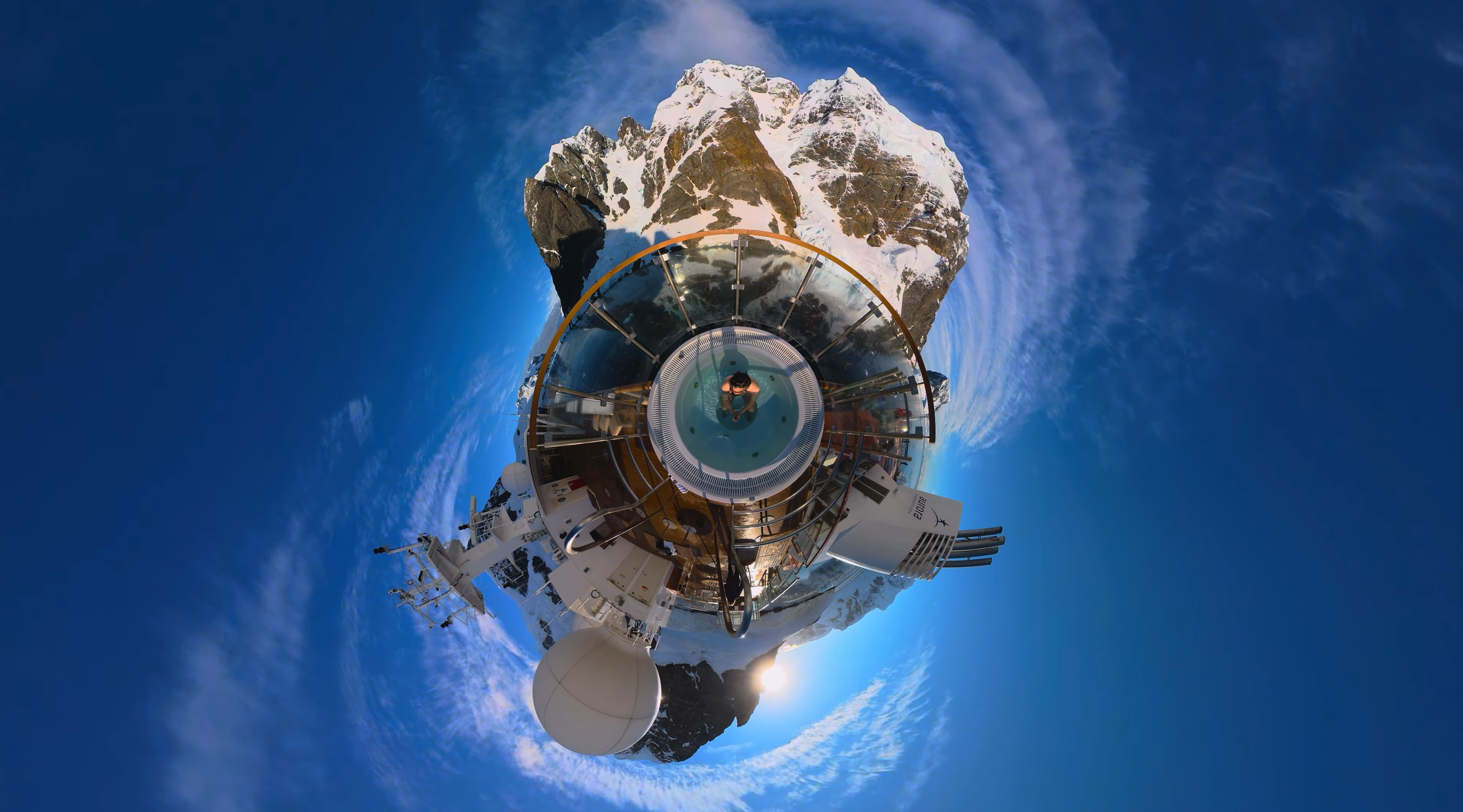
Everyone was jealous all wrapped up in many layers of wool and down, I could tell. And this was all before breakfast!
Morning Landing on Petermann Island
Another red hut and a colony of Gentoo penguins. We’d already been up for hours, it felt like afternoon, but it was only 8:30am and we were heading out on the zodiacs for a landing.
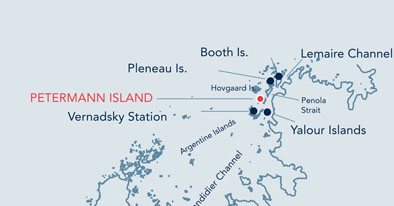
We had all wrapped up warm, expected the usual Antarctic chill to bite once we’d been ashore for a while. It didn’t. The skies were clear with the sun beating down and everyone was overdressed and overheating!
On this landing, I wanted environmental shots of both the penguins and the hut. It’s a small Argentine emergency refuge hut, known as Groussac Refuge, built in 1955. Located near Port Circumcision, I’m glad we didn’t go there….. it is occasionally used by the nearby Vernadsky Research Station crew.
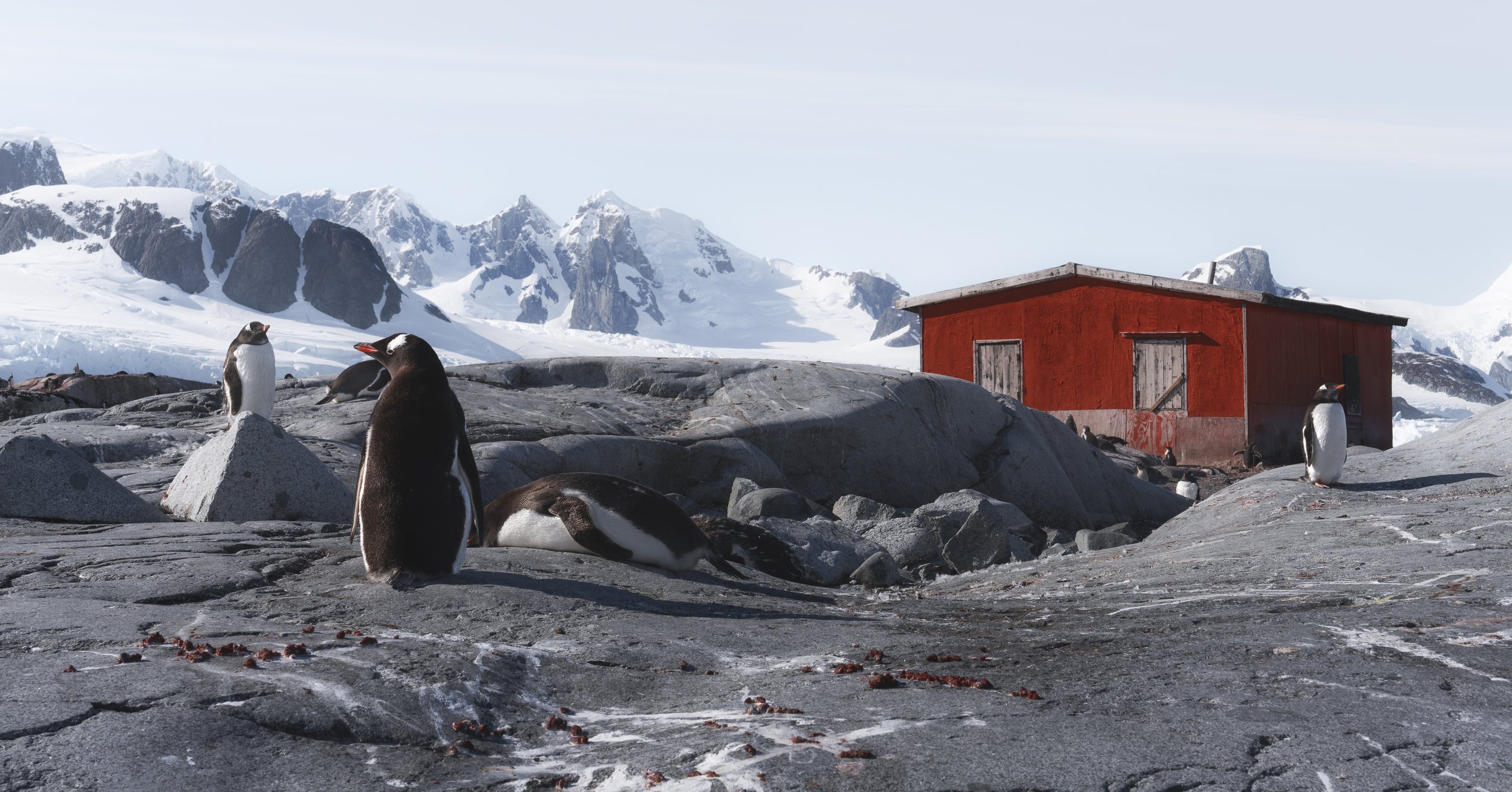
The problem with the above photo, was that our ship had anchored just behind it. Which was obviously great for the landing access, but less so for photography.
Luckily, we had a gentleman on the photography lead team that is partial to a nice building in a landscape. A cross between humans and nature you might say. James Popsys politely asked the Aurora expedition team if they could ask the captain to move the ship… a whole ship!!!
They obliged!! The things they did to accommodate us photographers was beyond exceptional. With the ship moved, it allowed for a perfectly simple head on shot.
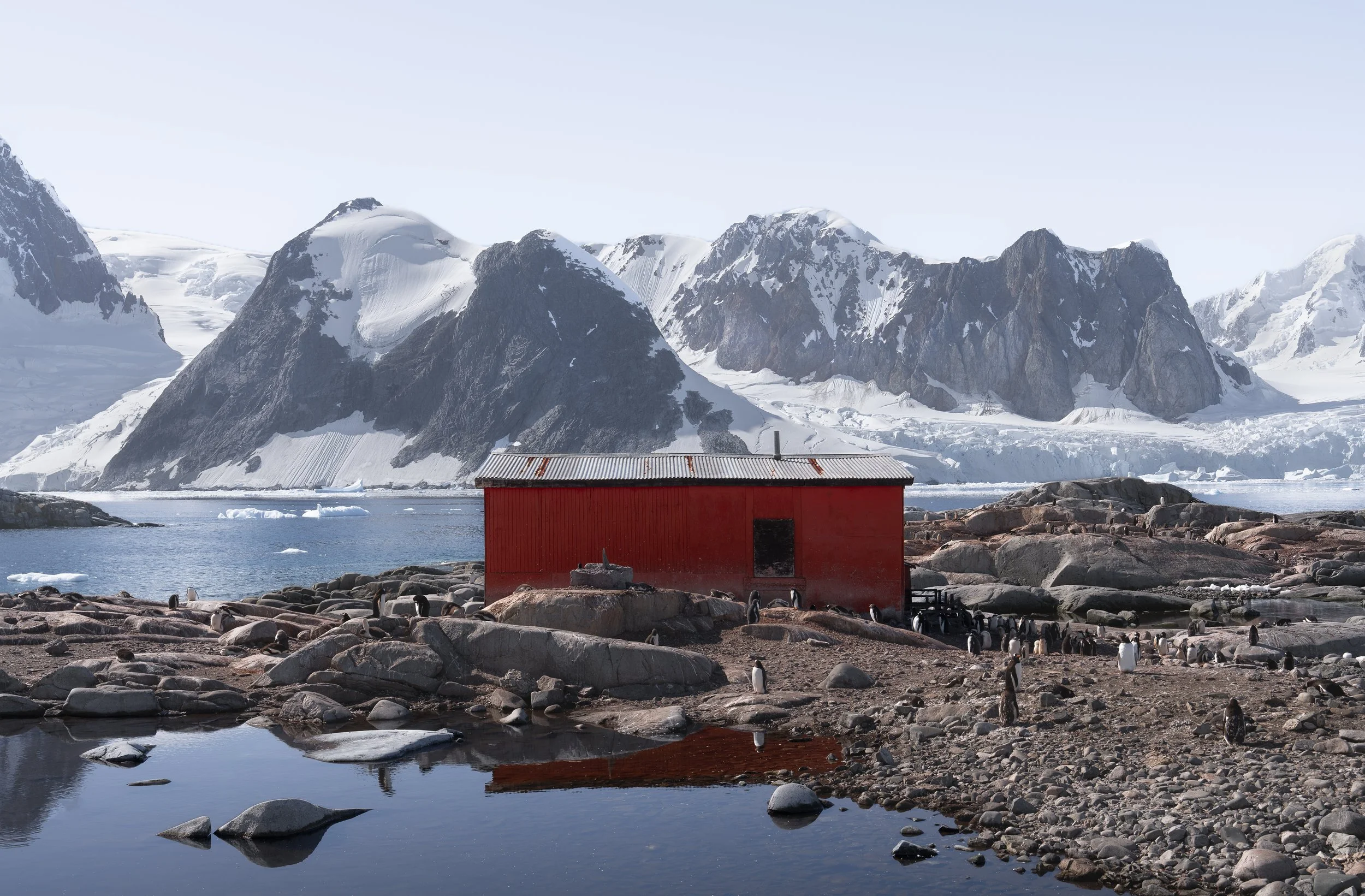
I think the morning hot tub followed by the sun had got to me. I was again finding photography difficult, probably due to lack of sleep. Still, I tried my best with the Gentoo’s to add to my fledgling wildlife photography collection.
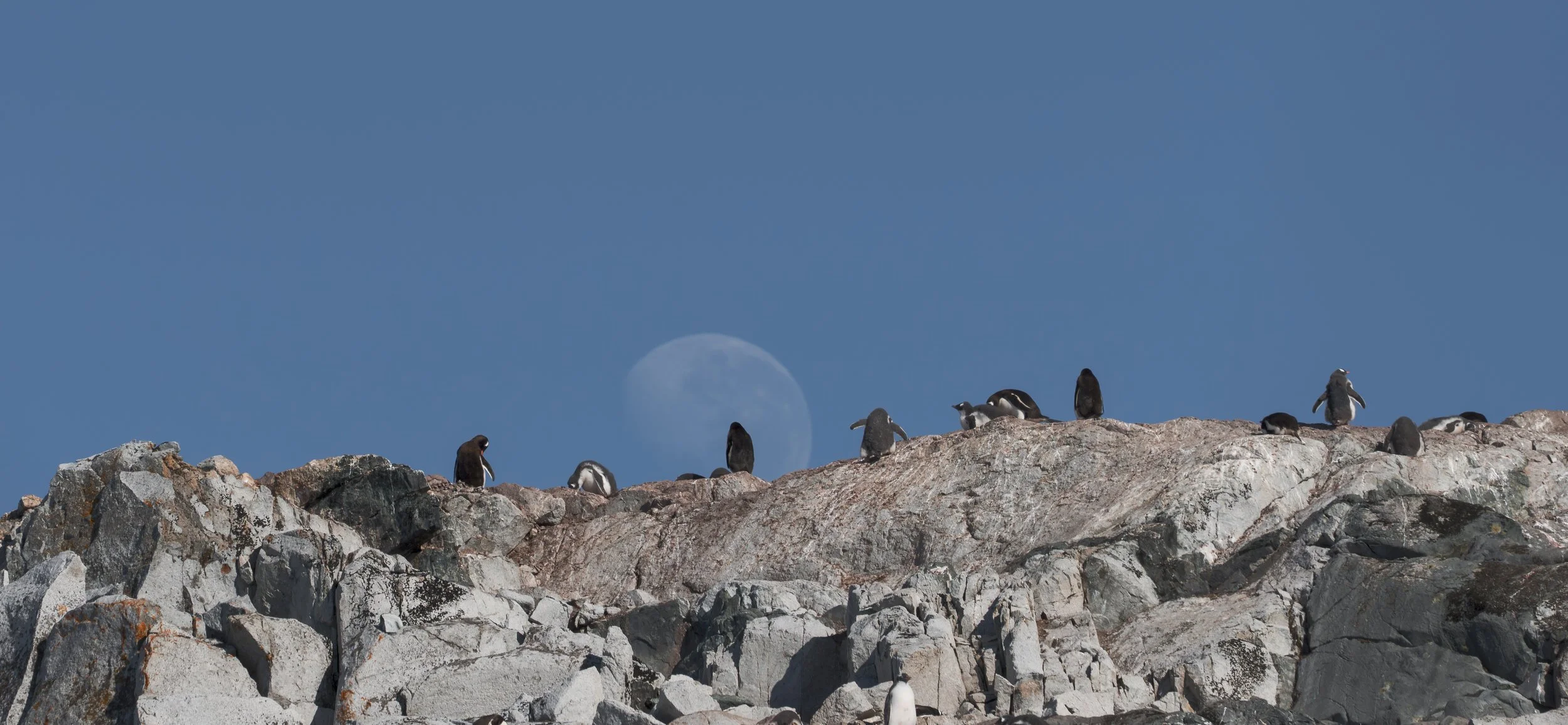
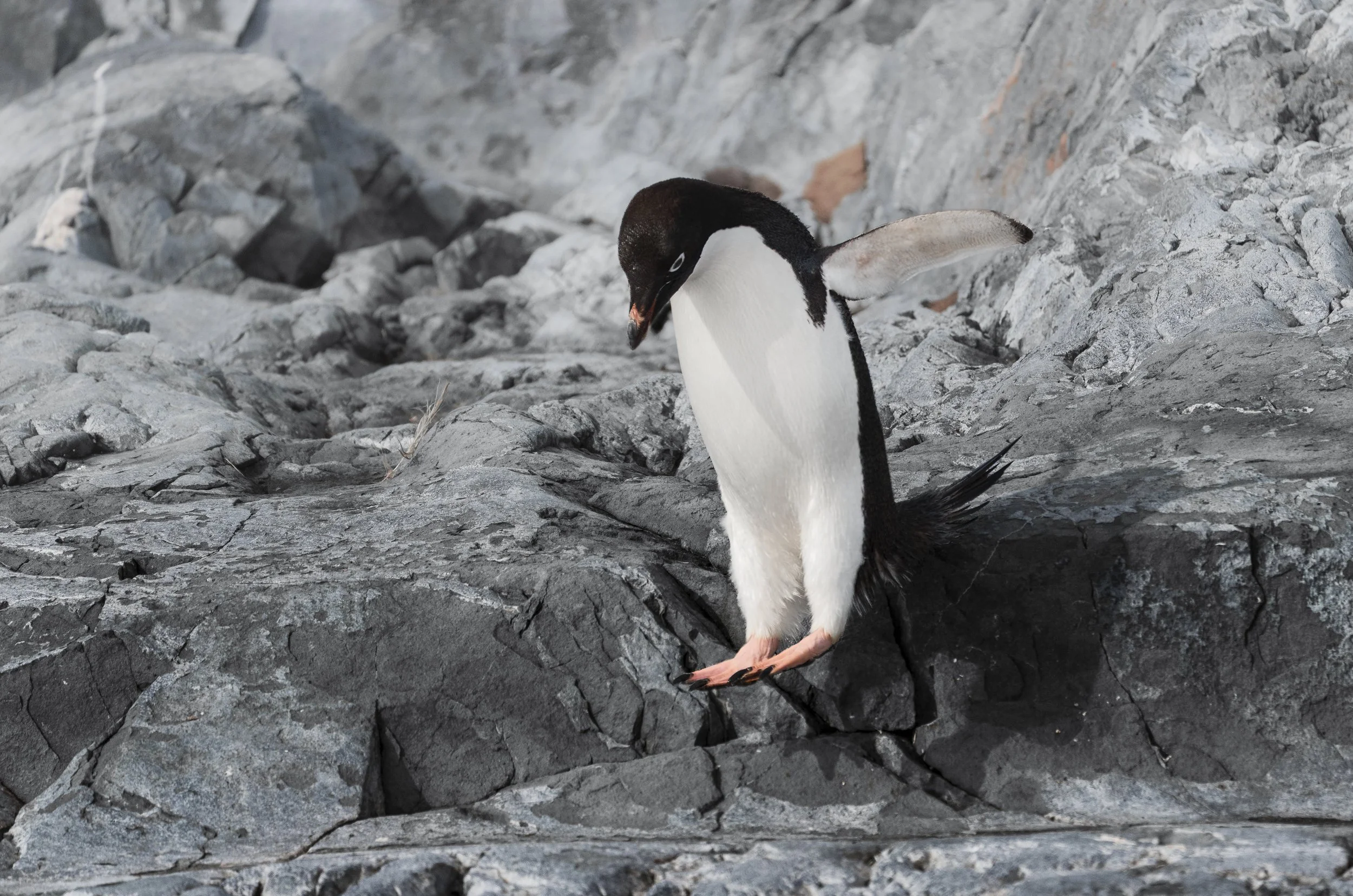
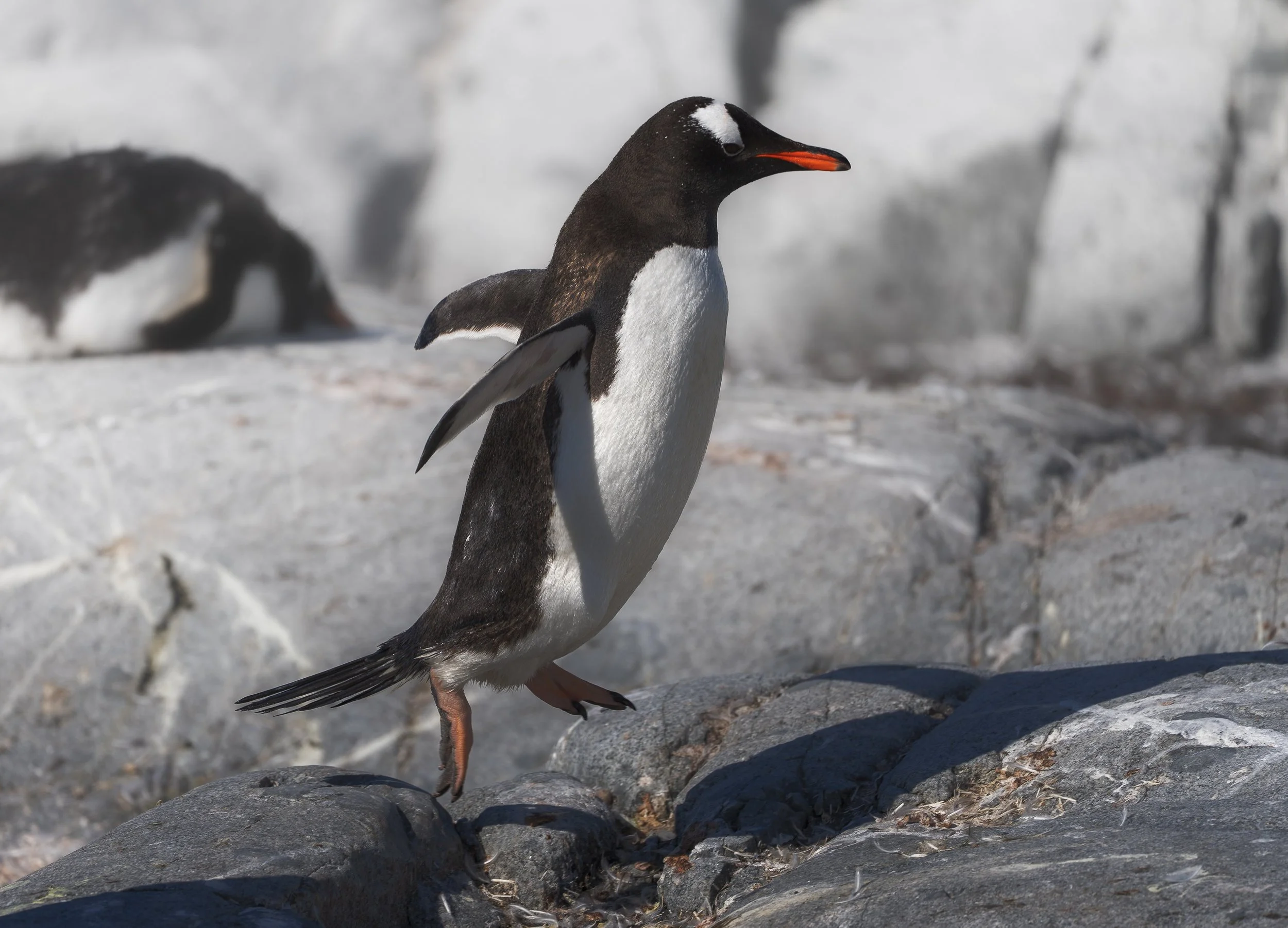
I was pleased with the wildlife photos I’d got so far. Apart from the feeding humpbacks, nothing spectacular, but decent. This whole genre is still alien to me.
Afternoon Split Cruise and Landing on the Yalour Islands
I was looking forward to this one. Despite it already being a long day, the island we were aiming to land on is home to a Colony of Adelie penguins.
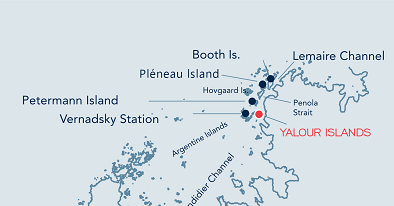
Due to the size of the island vs. size of the Colony, the regulations state a maximum of 60 visitors at a time, hence the afternoons activities were split in half. Whilst half were exploring the island, the other half were in zodiacs zooming around the iceberg graveyard in the surrounding waters.
There’s lots of bays and islands around the west side of the peninsula which protect the waters from strong currents. Icebergs get trapped and slowly melt into the sea, hence an iceberg graveyard… I suppose iceberg care home is a more accurate description.
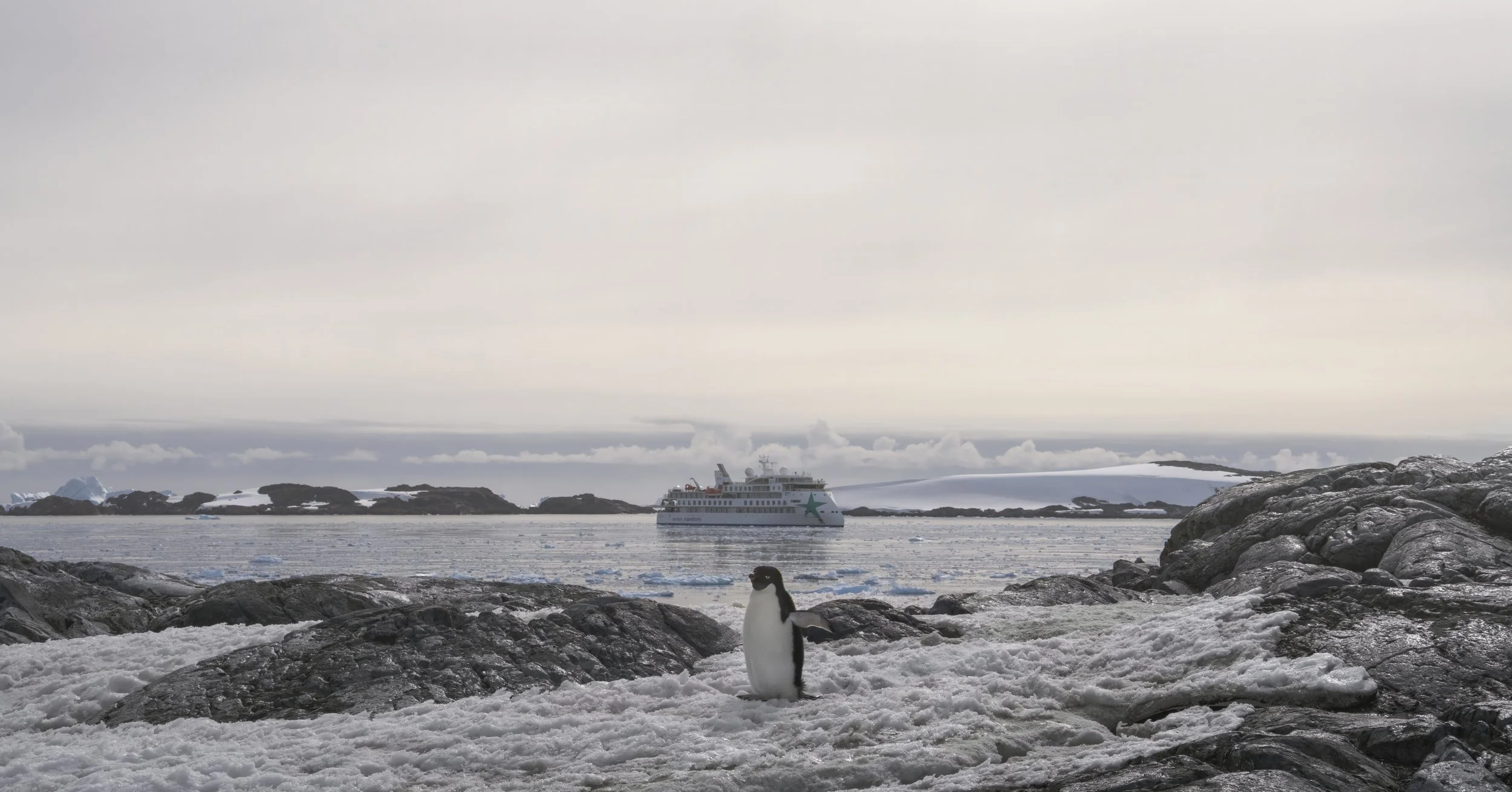
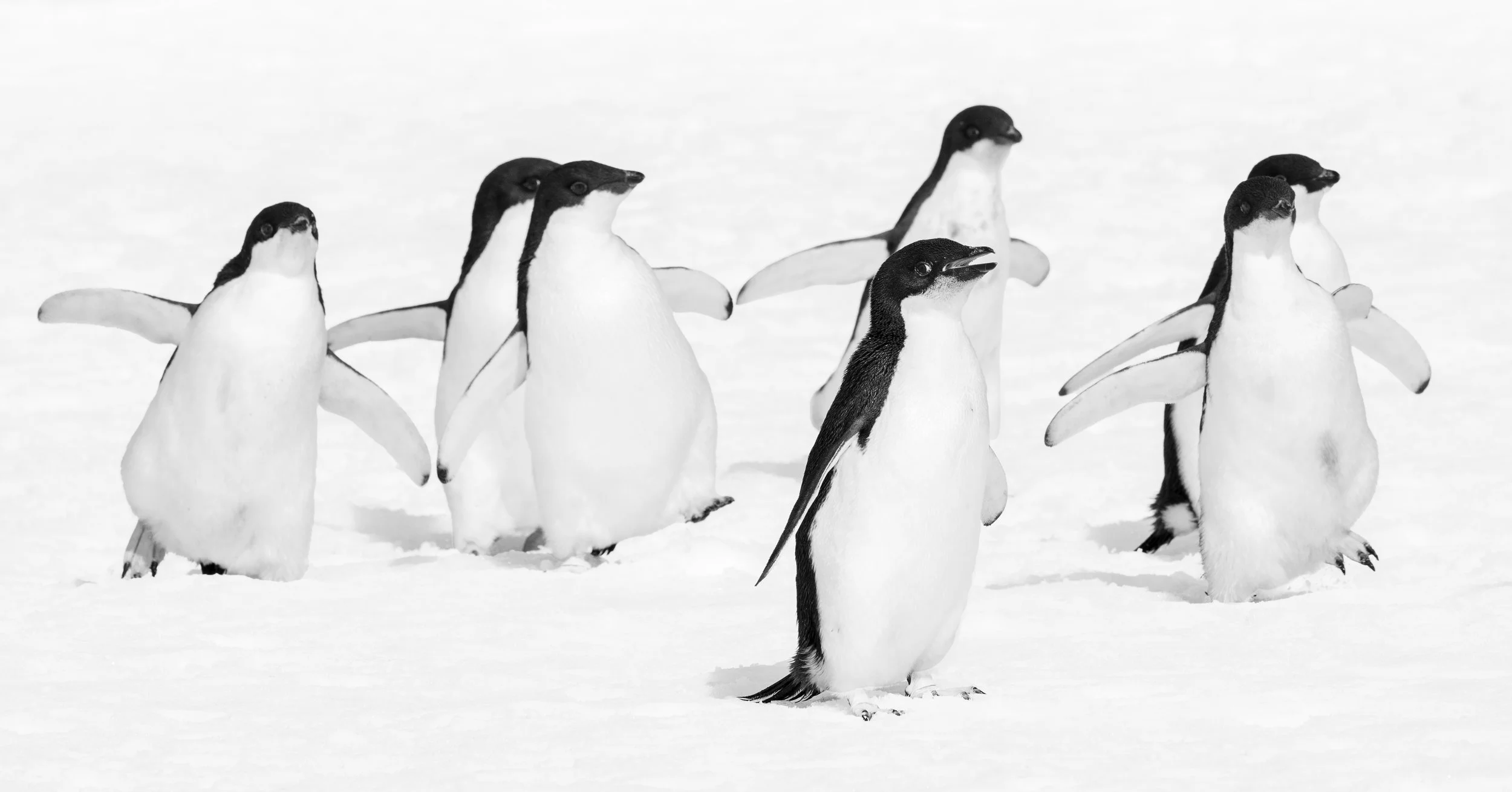
The Adelie was easily my favourite of the three penguin species we encountered on this expedition. Not only do they look really cute (kind of like a pokemon) but they were the most active.
Sliding around on their bellies, wandering around in little gangs heading out to feed, they were fun!
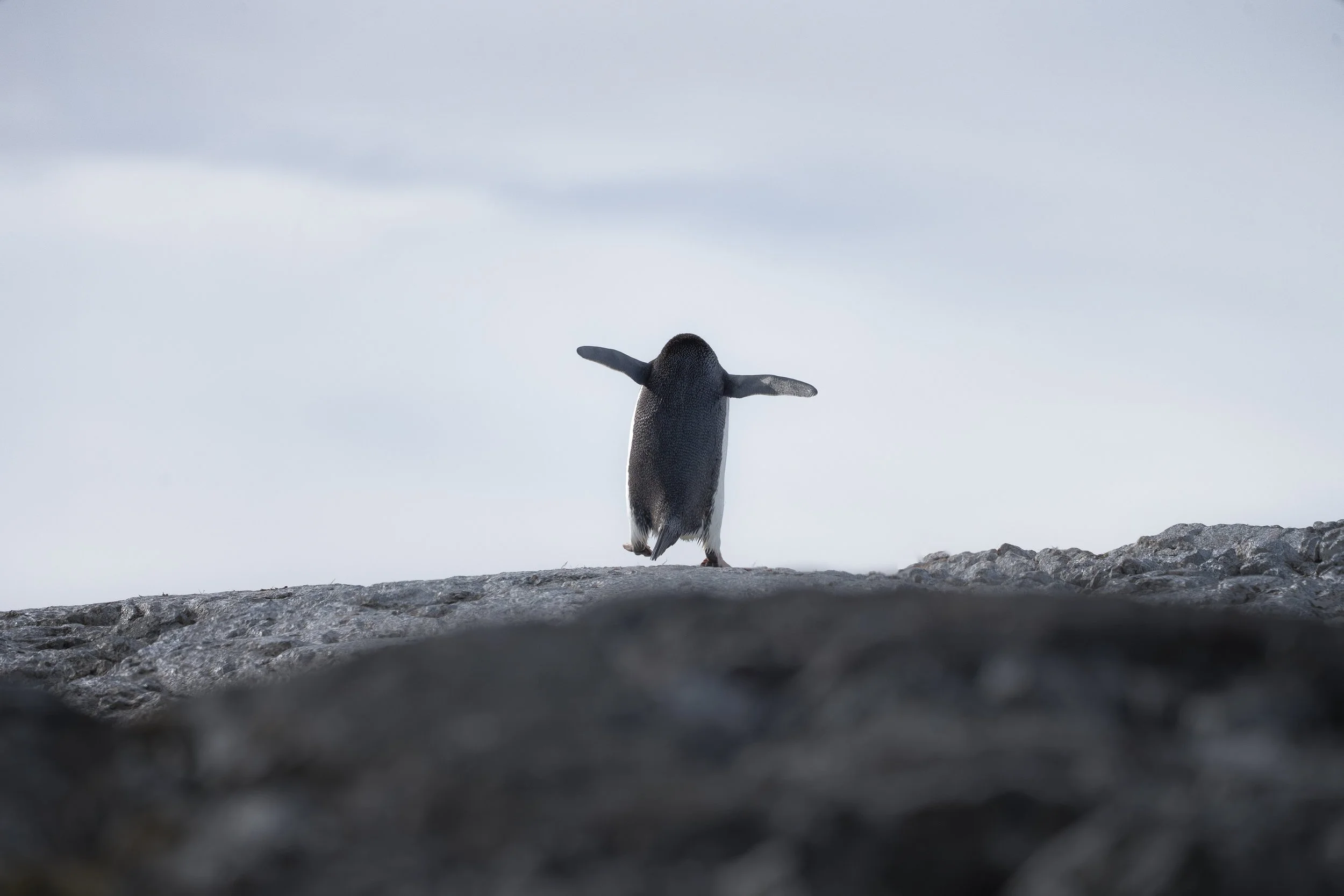
Once we’d had about an hour exploring the tiny island it was time to head out on the zodiac. Not this I was excited for, there were incredibly intricate icebergs as far as the eye could see.
A thin veil of cloud spread overhead, softening the afternoon sun. Sometimes it poked through, the rest of the team a warm glow to help accentuate the details in the icebergs.
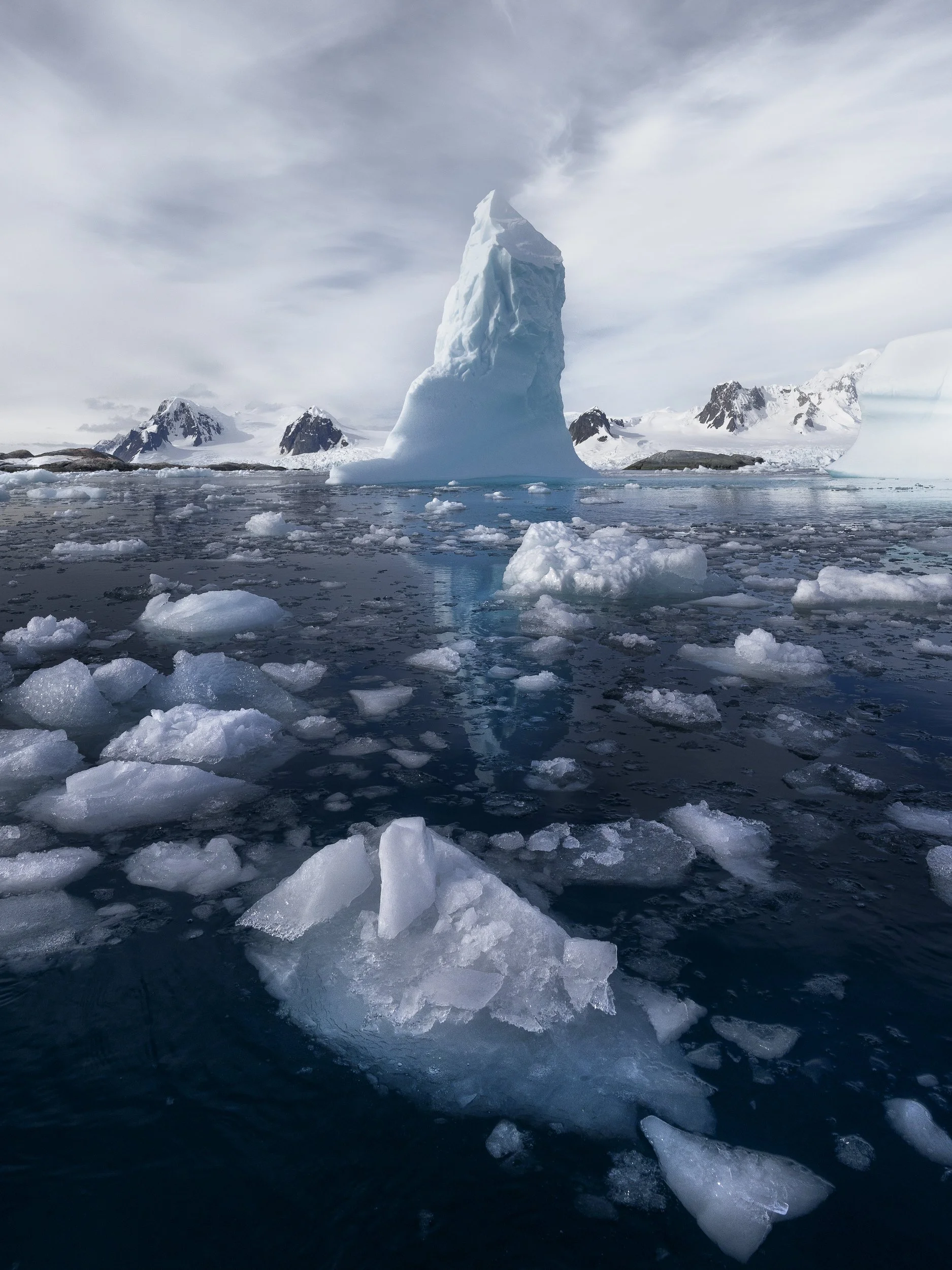
With the Adelie colony nearby, we were on the lookout for penguins on icebergs… some would say the ultimate antarctica photograph! It wasn’t long until we found our first ones, whilst we were photographing a leopard seal!
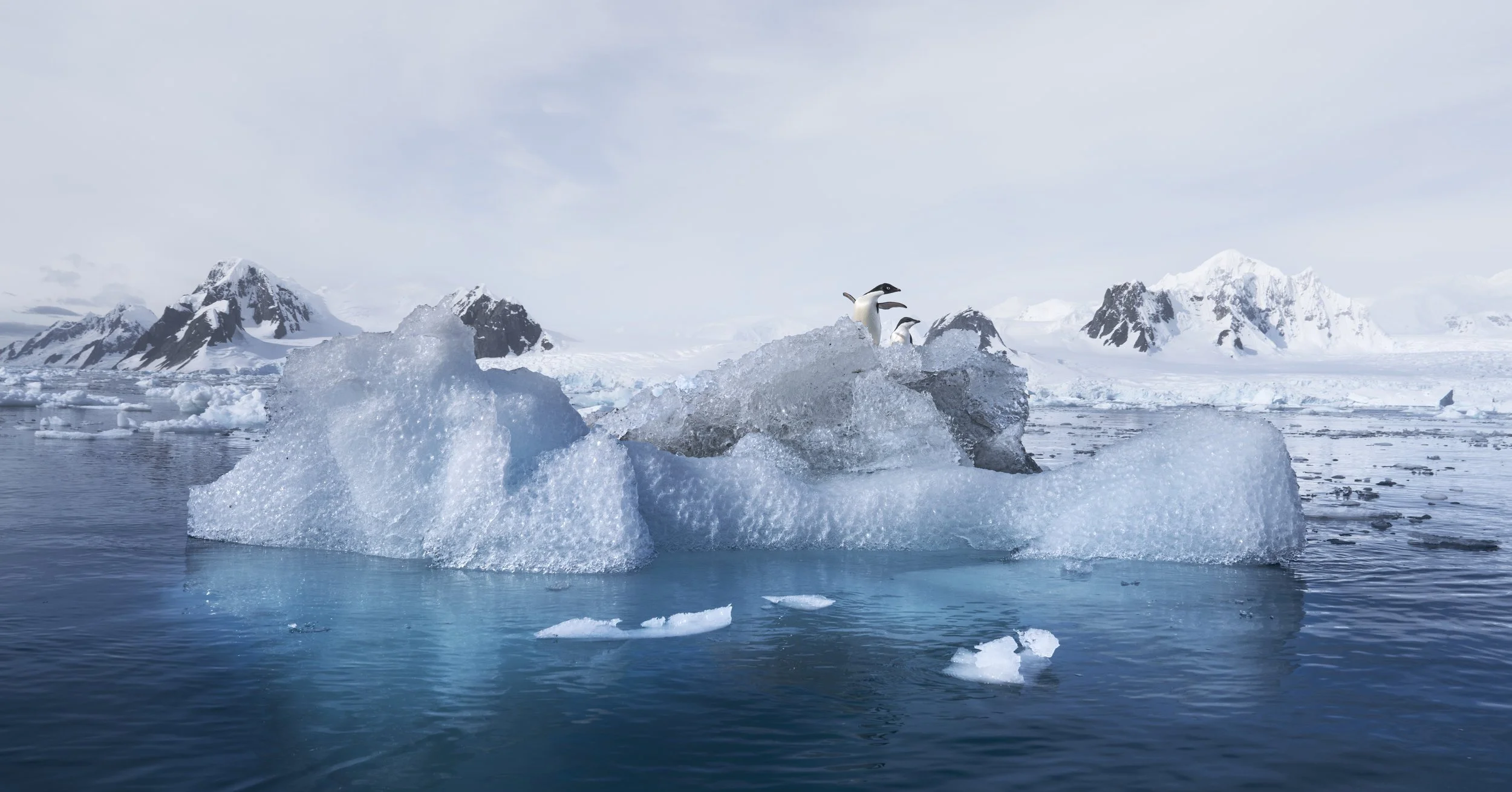
After a short while, exploring some more icebergs, in the distance we spotted another penguin on an iceberg. This time though, the iceberg was cleaner.
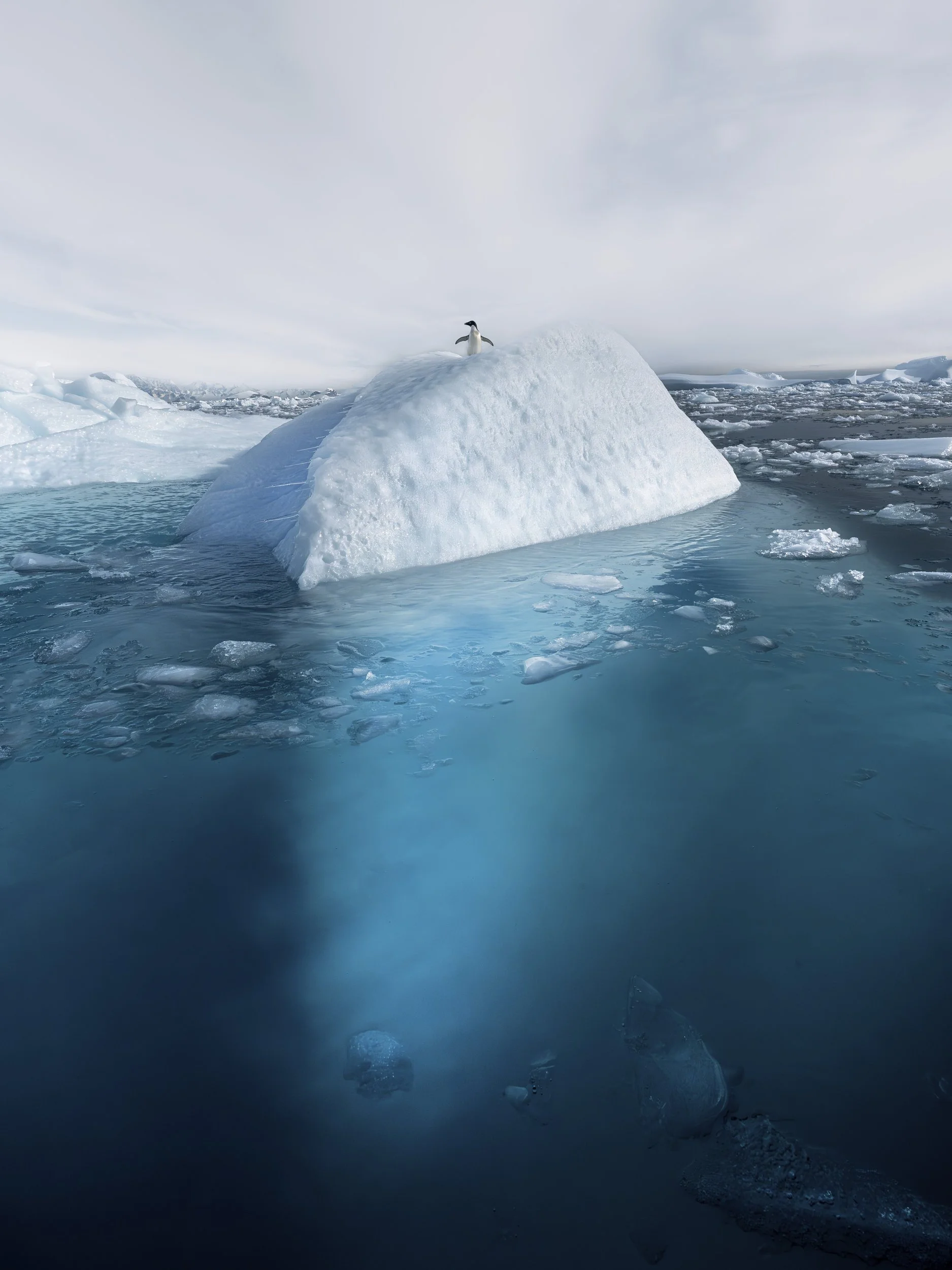
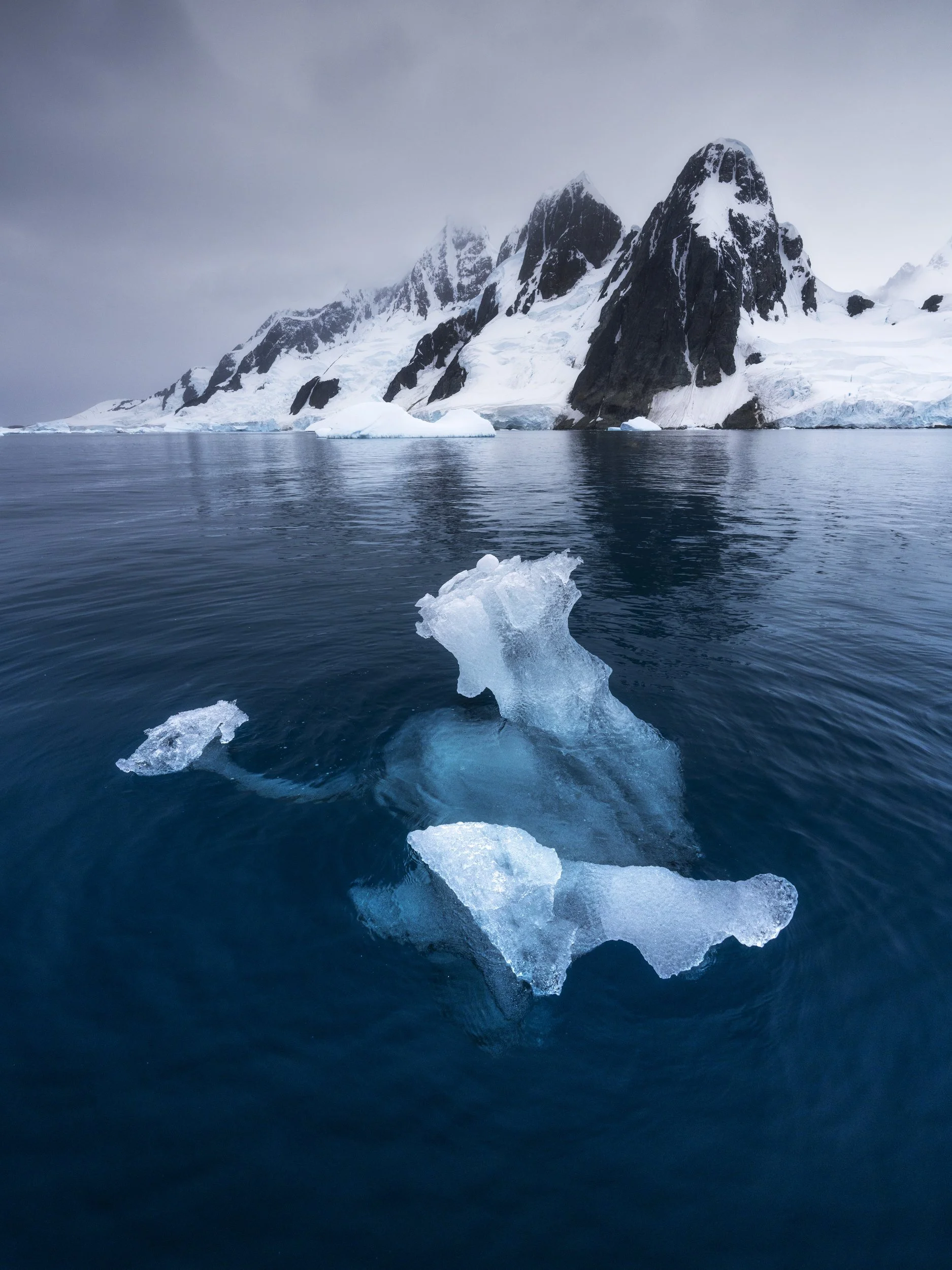
I had in the back of my mind that I wanted to shoot an iceberg with a polarising filter. Cut through the reflections on the sea to get to the berg below, and not just photograph the tip. We were relatively close, so I put my 16-35mm lens on (not an easy task whilst on the open water in a small boat).
Knowing that a large proportion of an iceberg is underwater, I decided to shoot portrait. Swung the CPL around to reveal the iceberg below. It looked kind of like a tooth!
Slowly going back and forth in the boat, watching the little Adelie penguins behaviour, it was slowly wandering around flapping its wings. But from my angle it wasn’t in the middle of the iceberg, that’s what I was waiting for.
It took around 5 minutes of waiting, but we finally floated into a position which worked and I took the shot. Not knowing at the time how good a shot it was, just that I had something which aligned with what I had originally set out to do.
Editing the photo later, I realised this was an iceberg that had flipped multiple times. On the left you can still see the icicles pointing sideways!! Not only did I win one of the photo of the day competitions that was running on board the ship, it once photo of the trip on the final day too!! Time to submit it to more competitions to see if I can win…
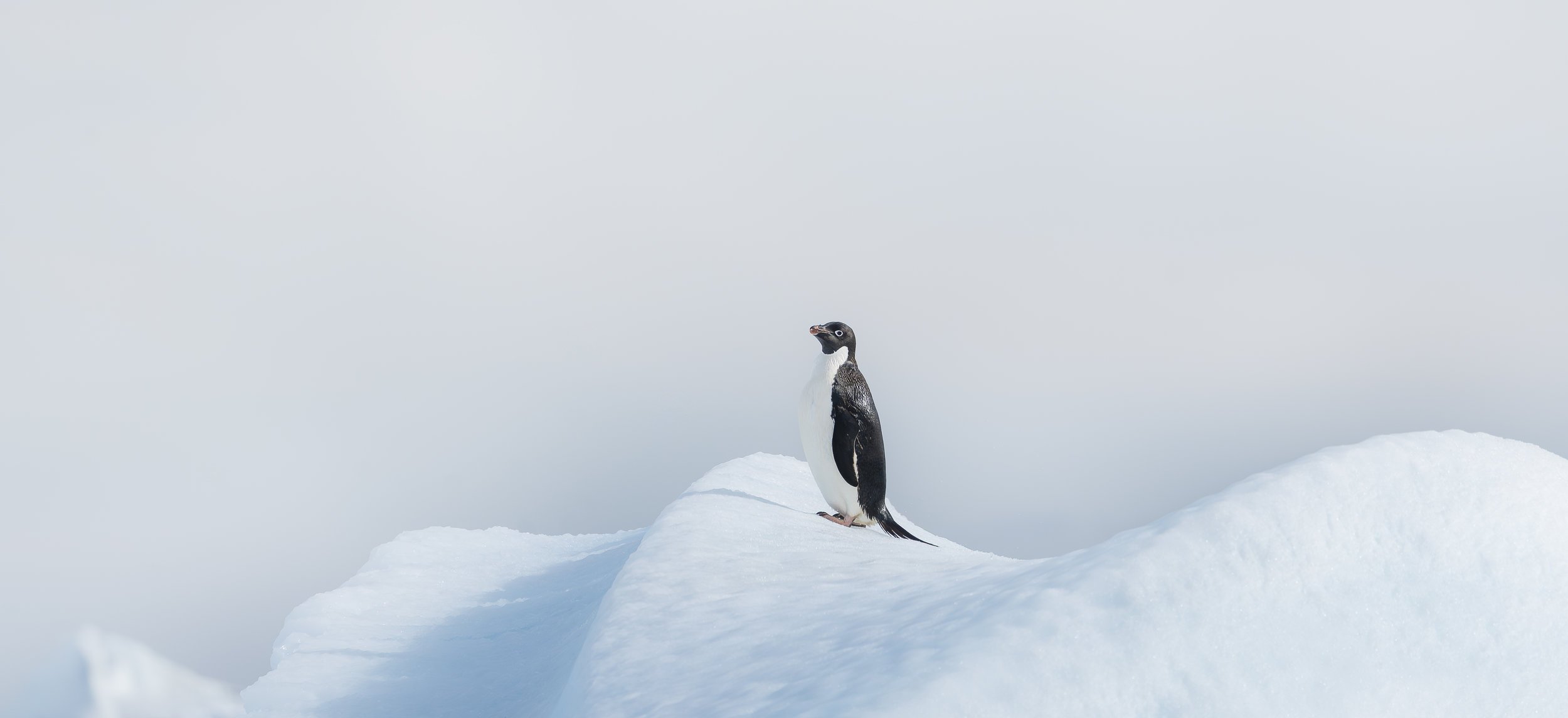
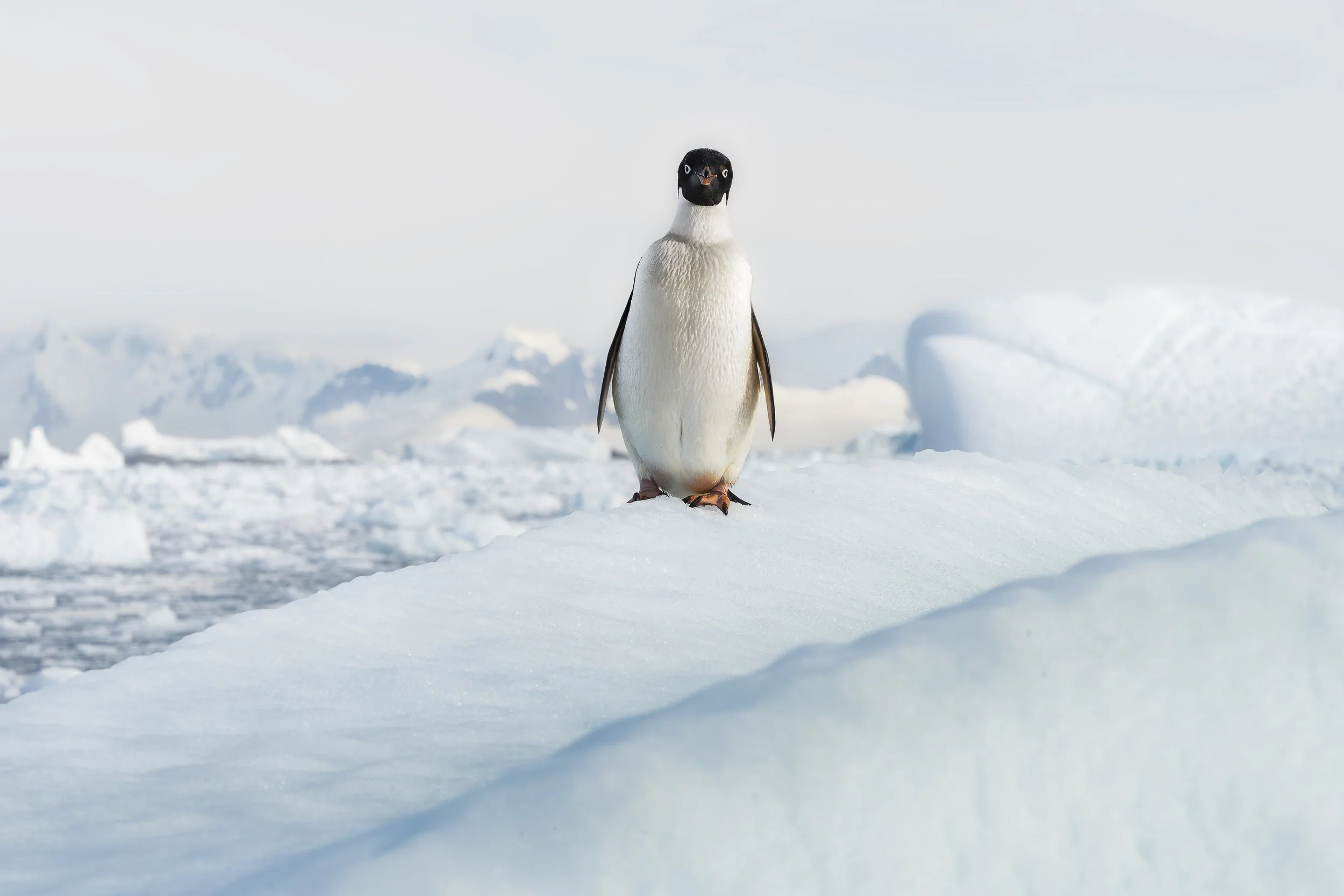
On my other camera, I had my 100-400mm attached. And whilst I was waiting for the right moment to take the shot above, I was getting some great portraits.
An evening Surprise - A continental landing
It was a normal evening. We’d had a beer, debriefed the days activities, sat down for dinner and knocked back a glass of wine. Then we noticed something strange was happening.
For context, the restaurant was at the back of the ship on deck 5. From the windows there, we could see the cranes which life the zodiacs out onto the water. 8pm, and we could see the cranes moving and zodiacs disappearing… along with the Aurora expedition team that were dining with us…
Then…. an announcement came through the ships Tannoy.
“Good evening, good evening…. we’re going to make a continental landing”
What… we’ve been on the sauce for a couple of hours!!! But dinner finished, we headed to the mudroom to pop on our boots and lifejackets and we were back on the water just before sunset. We were going to set foot on continental Antarctica.
Up until this point, all of our landings had been on small islands adjacent to the peninsula, but this was a quick 15 minutes ashore, to take a selfie, and say that we made it.
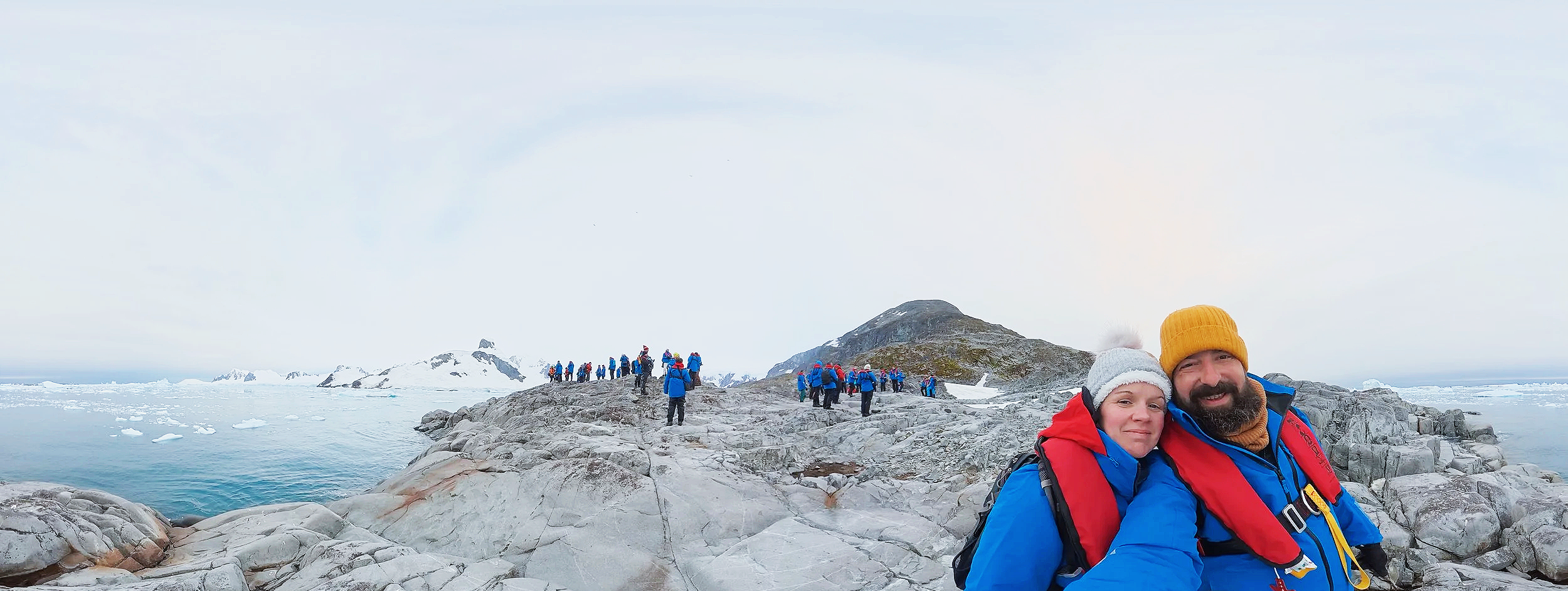
There would be no sea between us and the south pole!!! Not many people can say that!!!
Day 6 - Cruises and Stations in the snow
We awoke early to grey skies and snow. There was to be no sunrise BUT…. there was the opportunity to go back to bed and get some much needed rest before breakfast.
The morning cruise and Wordie House
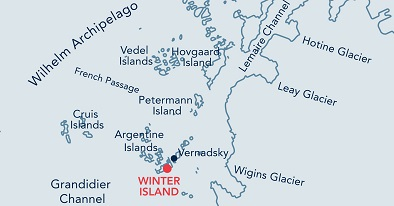
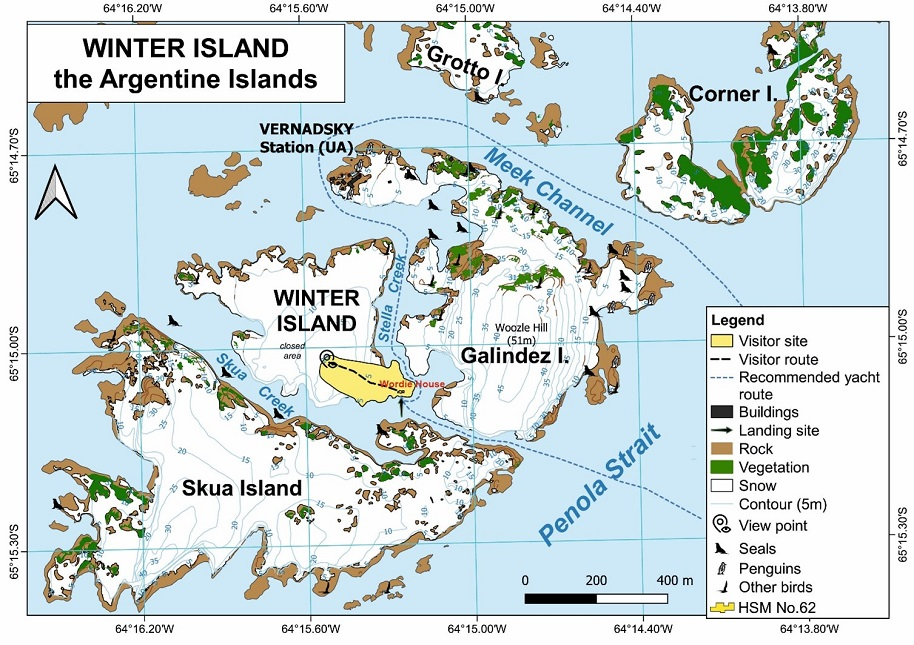
The first order of the day was a zodiac cruise with staggered visits to a historical location. Wordie House on winter island. Only 36 people are allowed to be on the island at a time, with a maximum of 12 inside Wordie House. We staggered our arrivals two zodiacs at a time, one inside, one waiting to go in. The rest of the morning would be a cruise around the Meek Channel and Penola Strait.
Verndasky Station
On our way to Wordie House, we went past Vernadsky Station and some really cool looking small icebergs.
It’s been Ukrainian operated since 1996 when the British sold Faraday Station to them for £1 so they could have a base of operations in Antarctica.
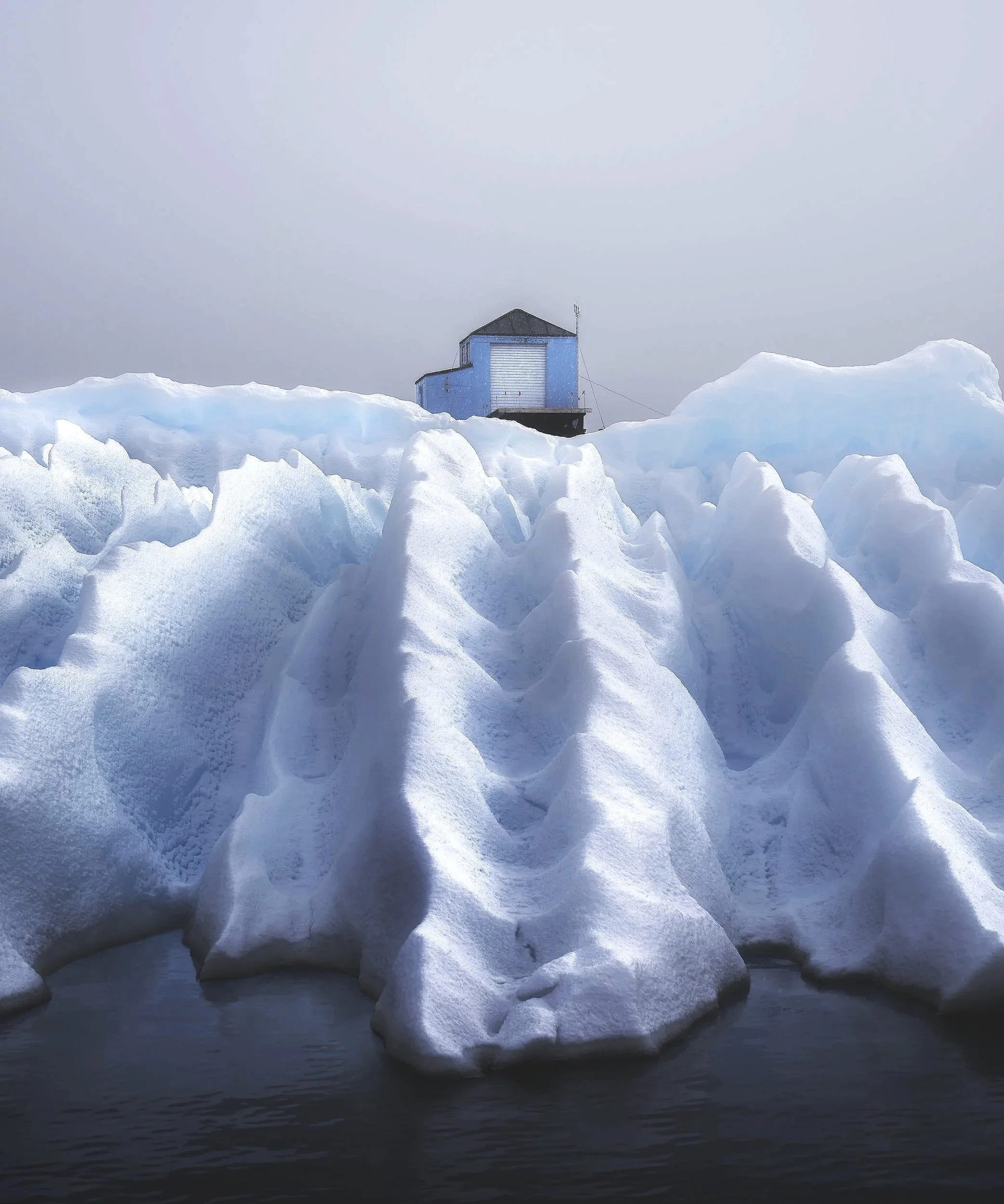
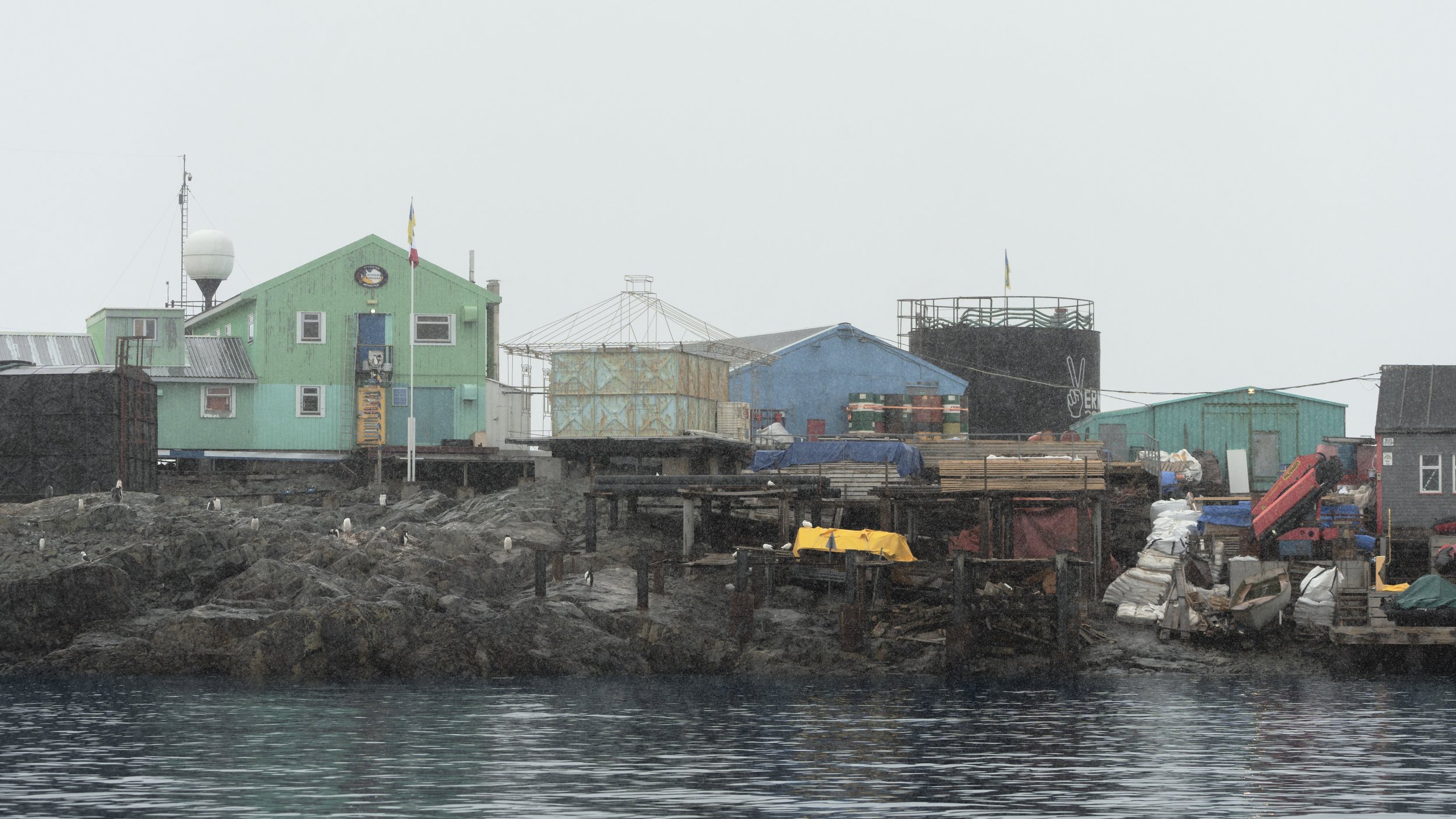
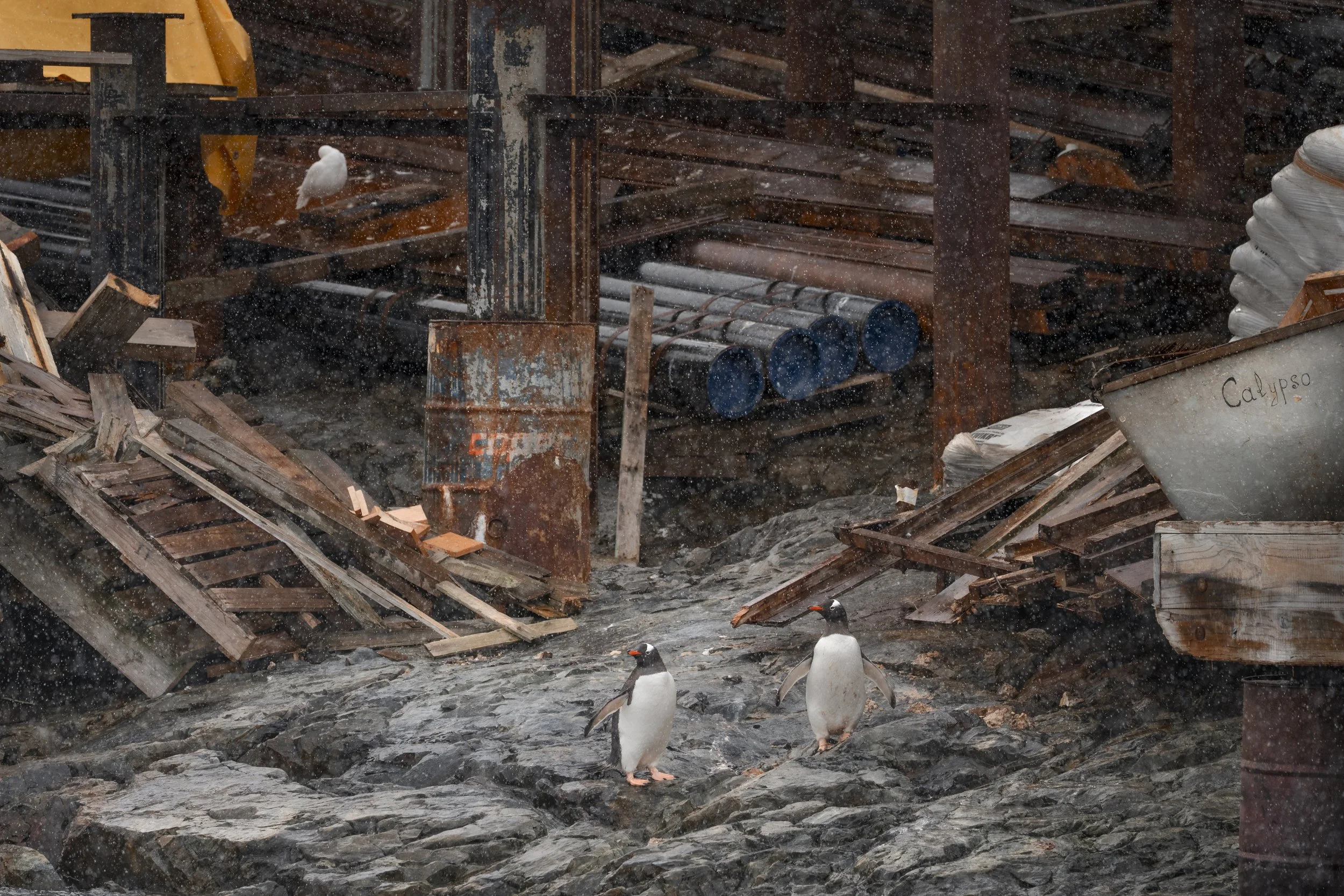
Surrounded by gentoo penguins, barrels, various buildings, boats, building materials. I found myself thinking what it would be like to live and work there now. Then what it would have been like years ago, before the advent of satellite phones and internet. It’s so remote! And the snowy weather helped put it into perspective, this is a wild place, that needs to be respected, or it will bit back at you!!
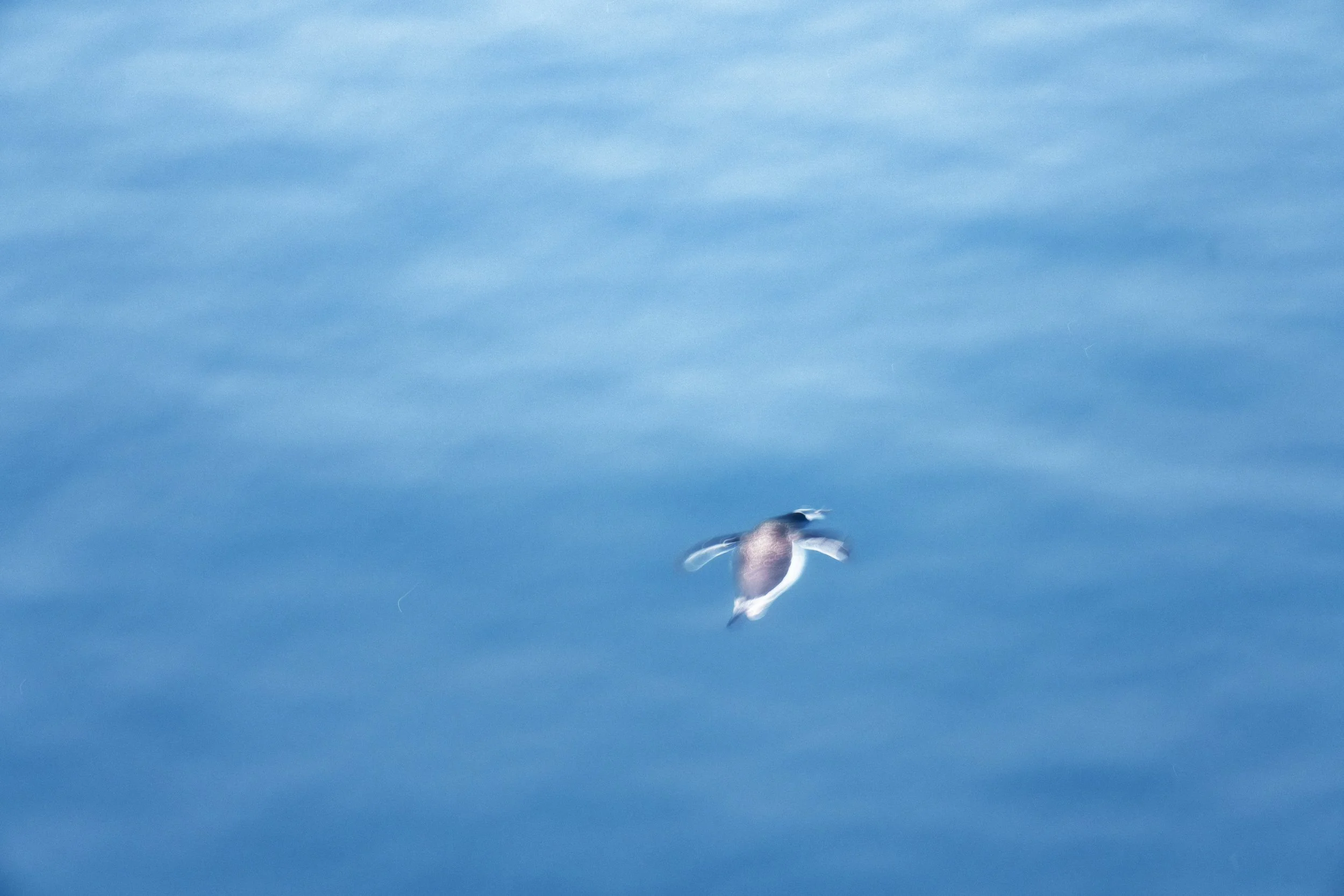
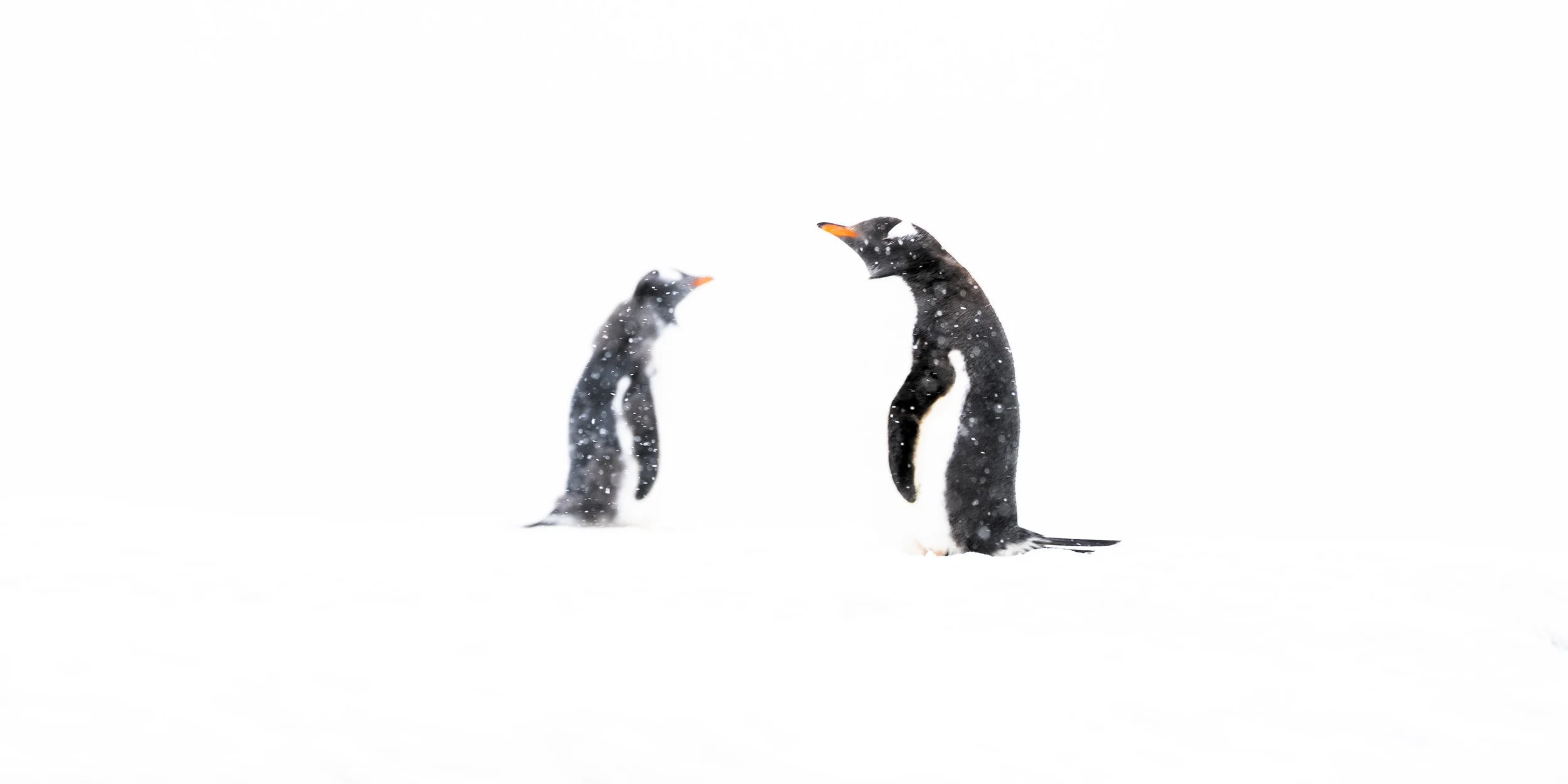
During the float around waiting for a slot at Wordie house, the conditions were perfect to try out some high-key wildlife photography. As we were heading out towards more open water, I had a very small opportunity to grab this next shot. No burst mode, just waited for the right moment and…SNAP. Turned out real nice!!
Wordie House
Stepping inside Wordie House feels like walking directly into the mid-1940s. Named after Sir James Wordie, a geologist on Shackleton’s legendary Endurance expedition, this small hut on Winter Island served as a British research base (Base F) from 1947 to 1954.
Unlike many abandoned sites, the interior remains eerily preserved; shelves are still lined with vintage tins of ovaltine, blocks of bovril (for those of you who don’t know its a beef stock drink), old radio equipment sits ready for a signal, and the workshop remains cluttered with mid-century tools.
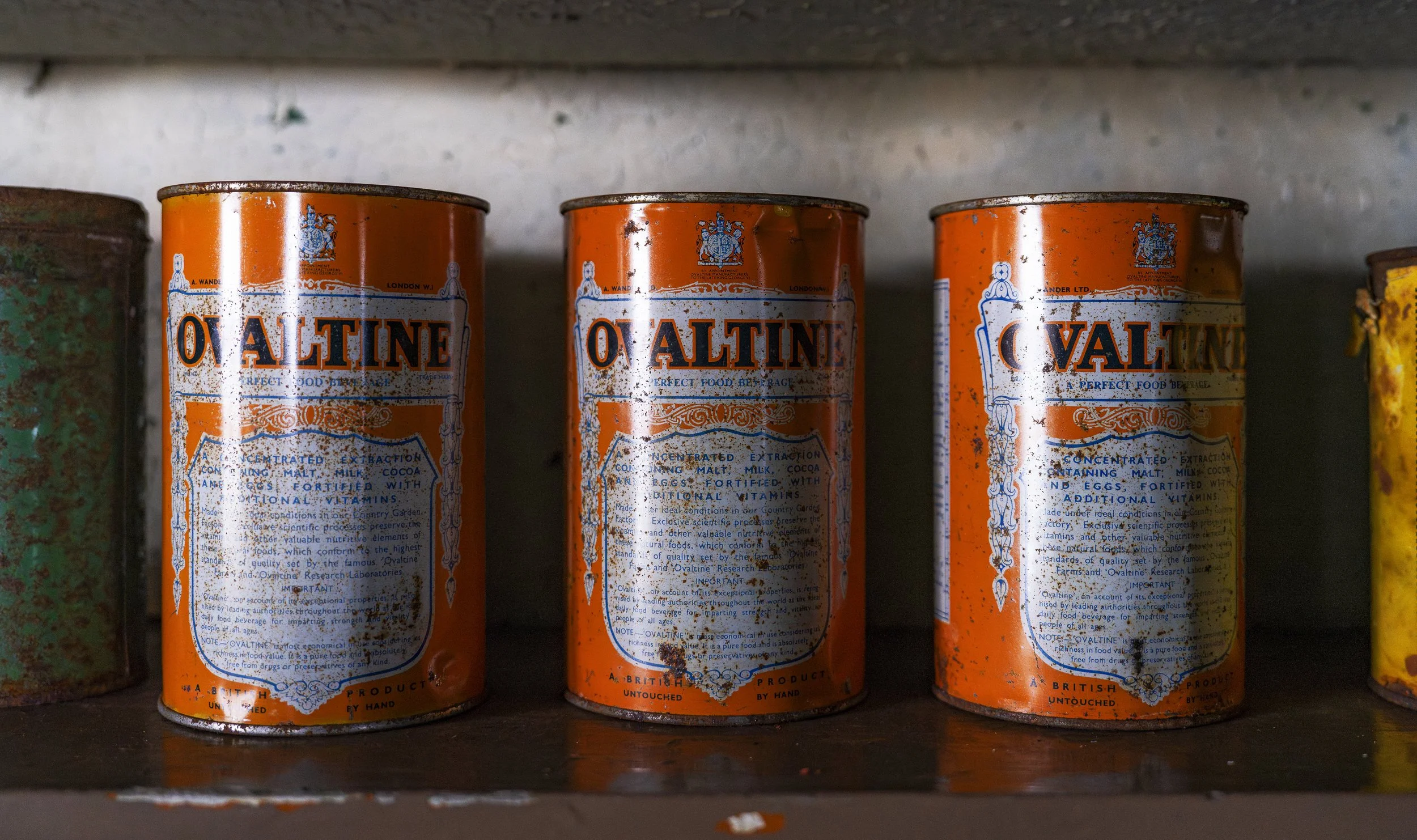
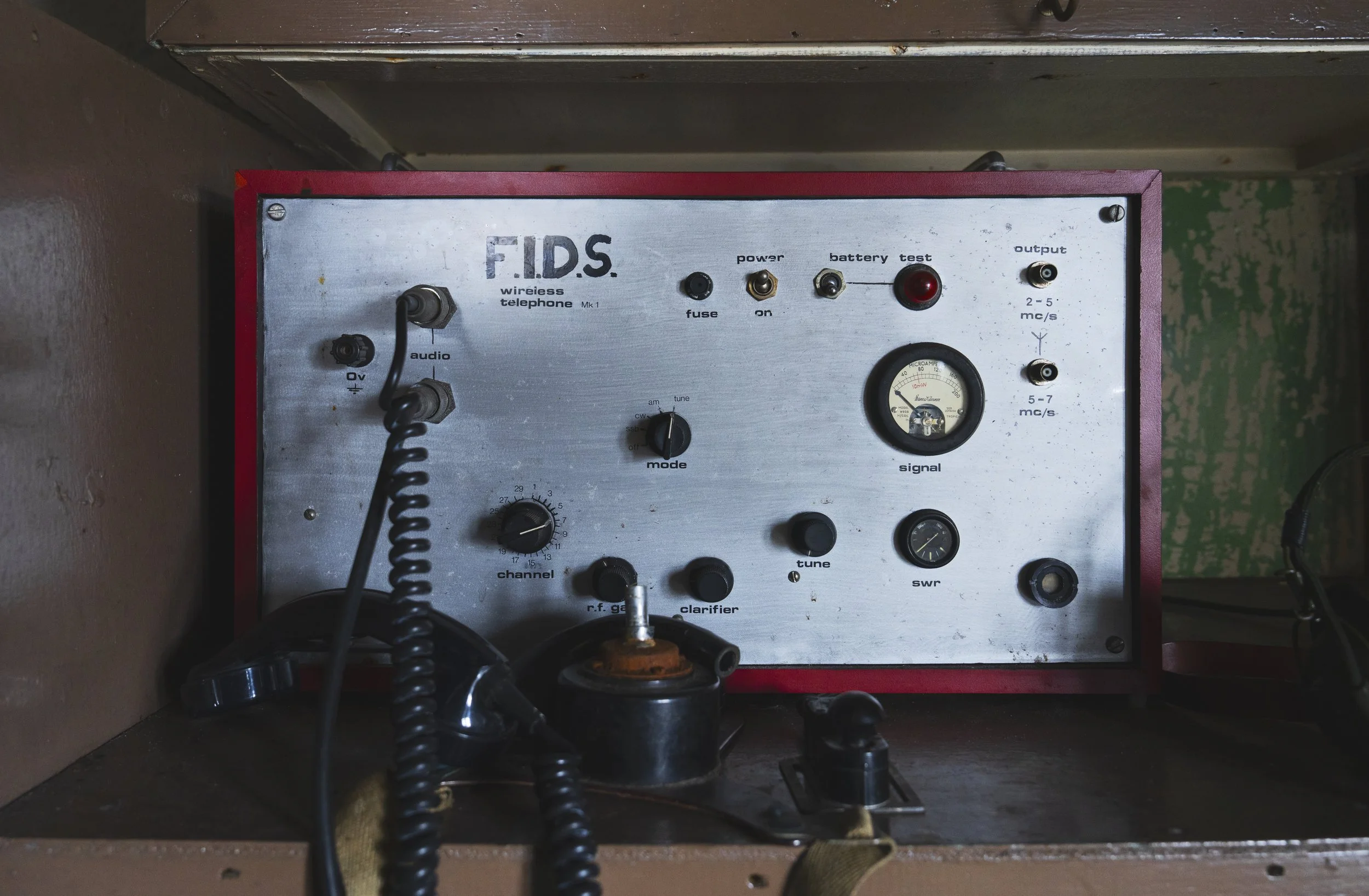
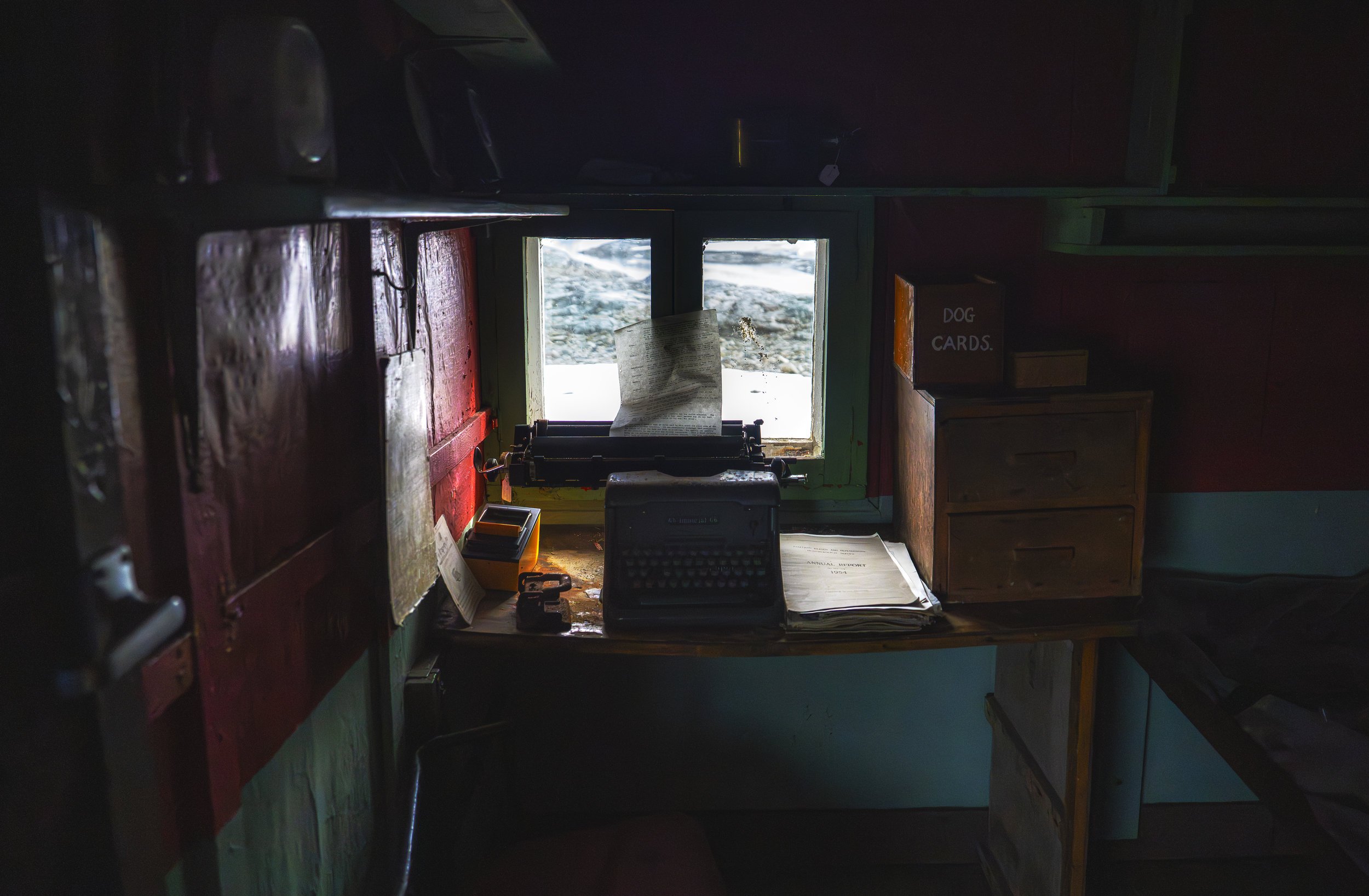
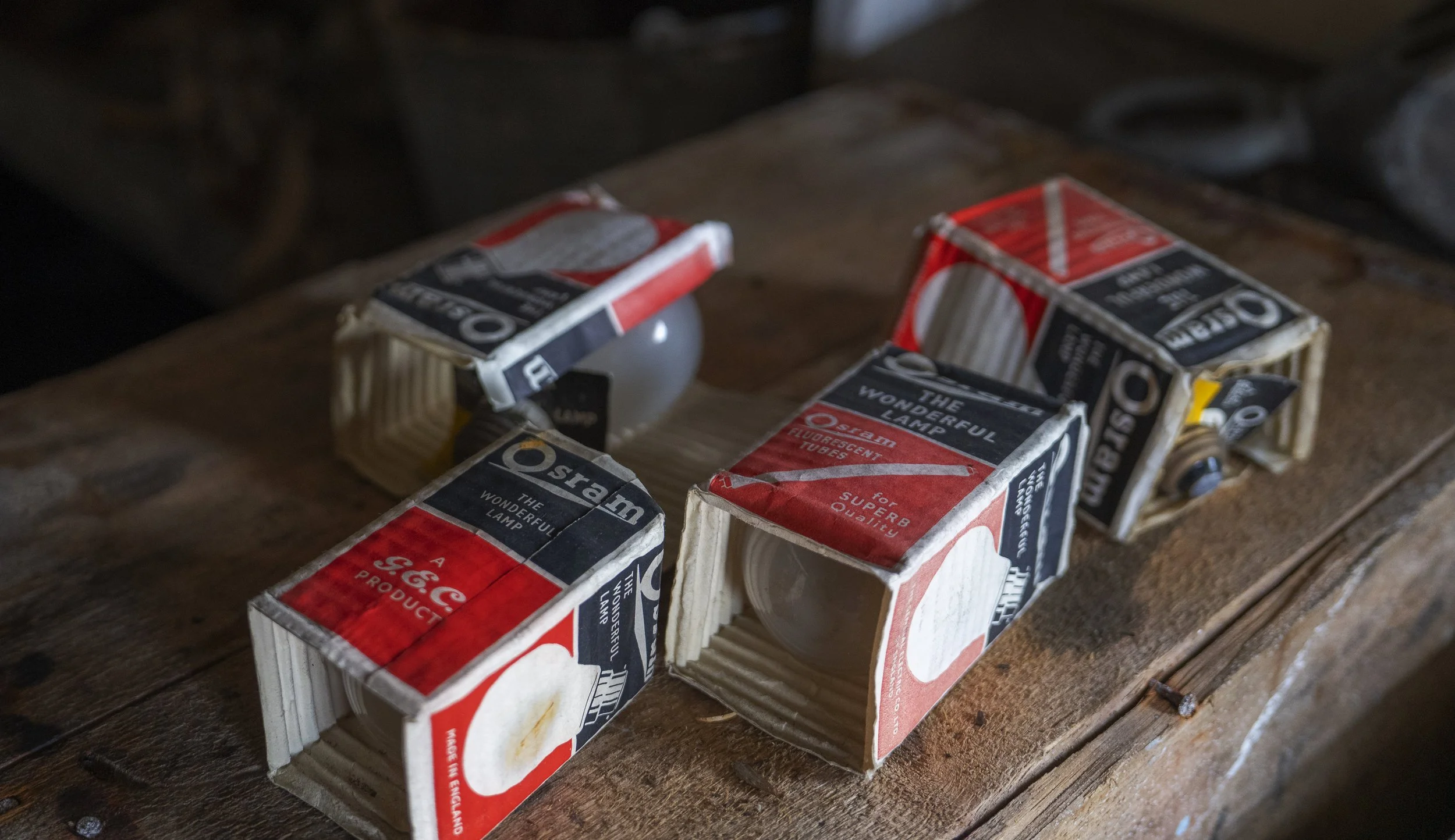
It’s a rare, intimate look at the "make-do-and-mend" lifestyle of early Antarctic pioneers. They keys to wordie house are kept by the Ukrainian teams at the nearby Vernadsky station.
Wordie House was a primary hub for meteorological and ionospheric research, establishing some of the longest continuous climate records in Antarctica! Data that is still vital for scientists today.
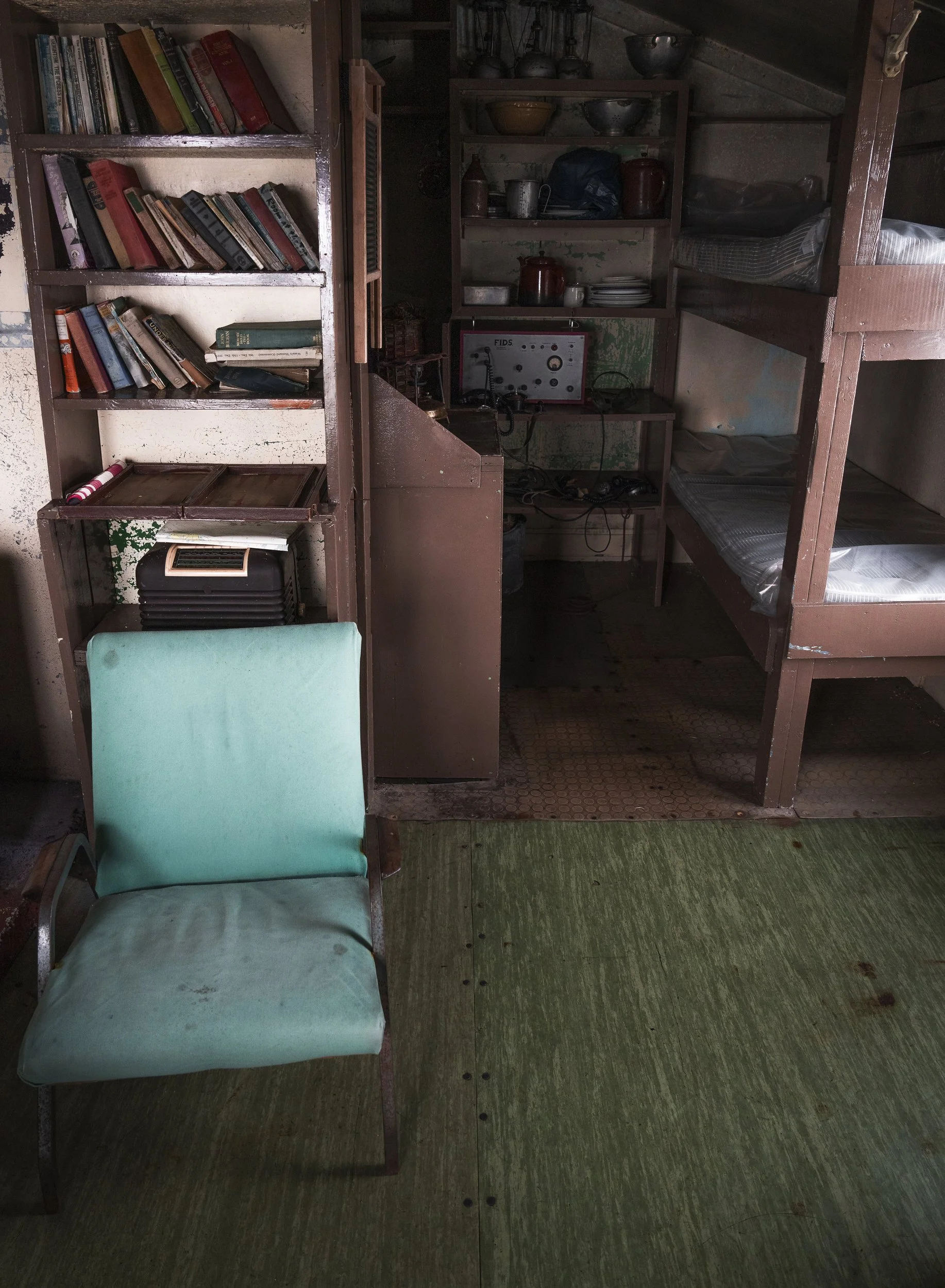
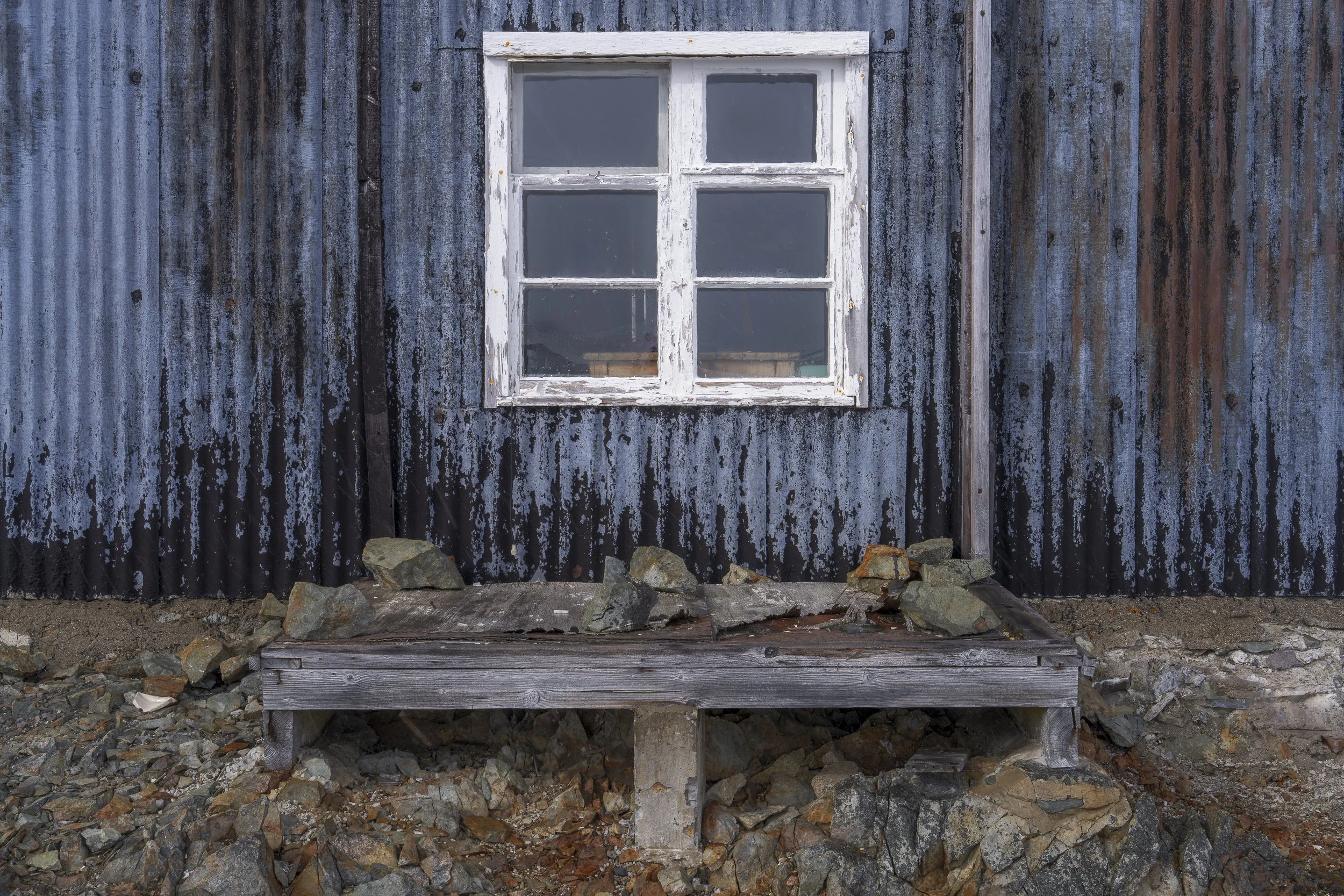
After the station closed in 1954, its operations moved to Faraday Station (now Vernadsky). Today, as an officially protected Historic Site and Monument (No. 62), the hut stands as a weathered testament to the golden age of polar exploration.
The snowy iceberg cruise
After leaving wordie house, we headed out into more open waters to explore another iceberg graveyard. When we first got there, the snow was still coming down strong as we weaved in and out of blocks of ice the size of houses.
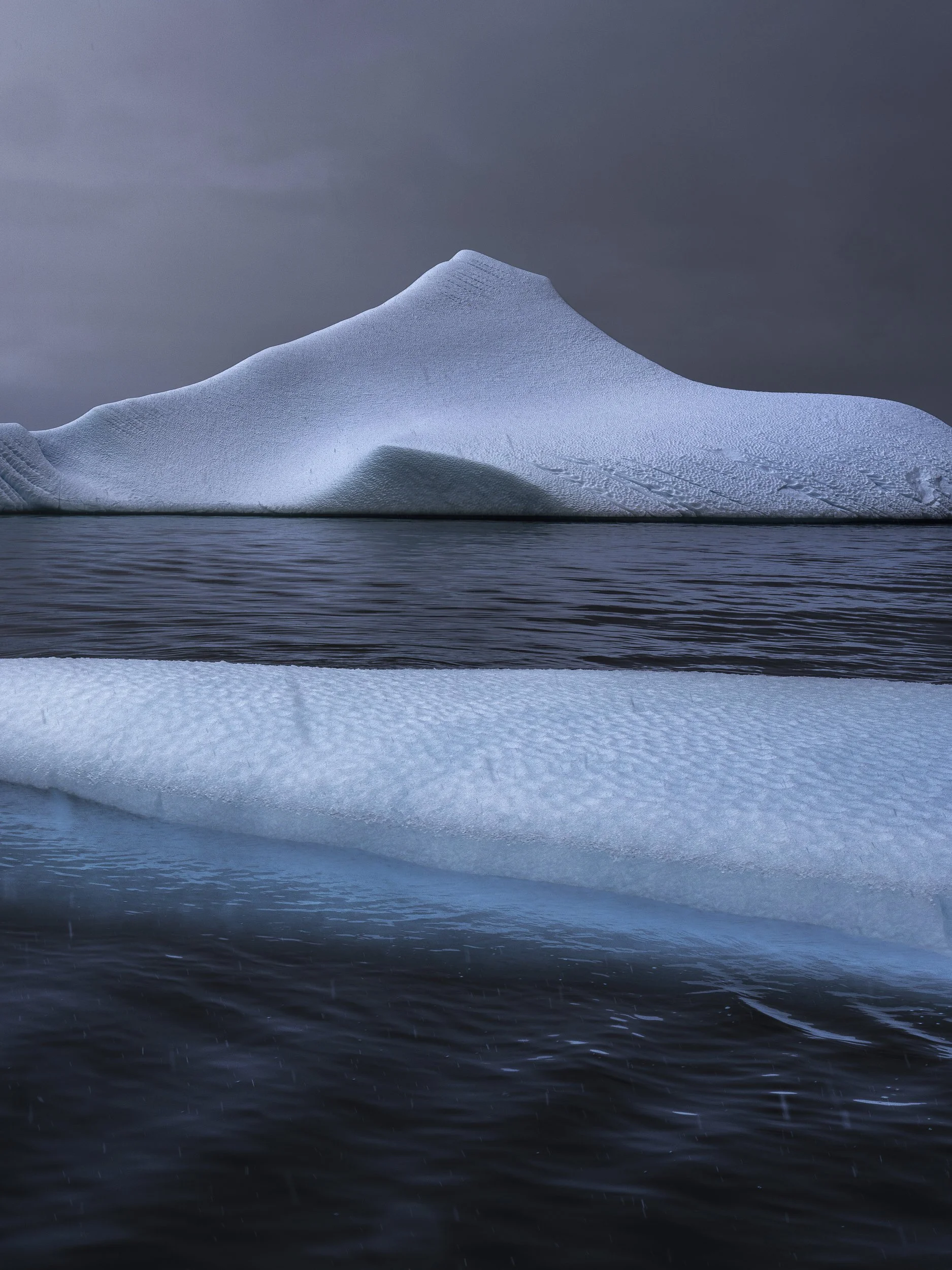
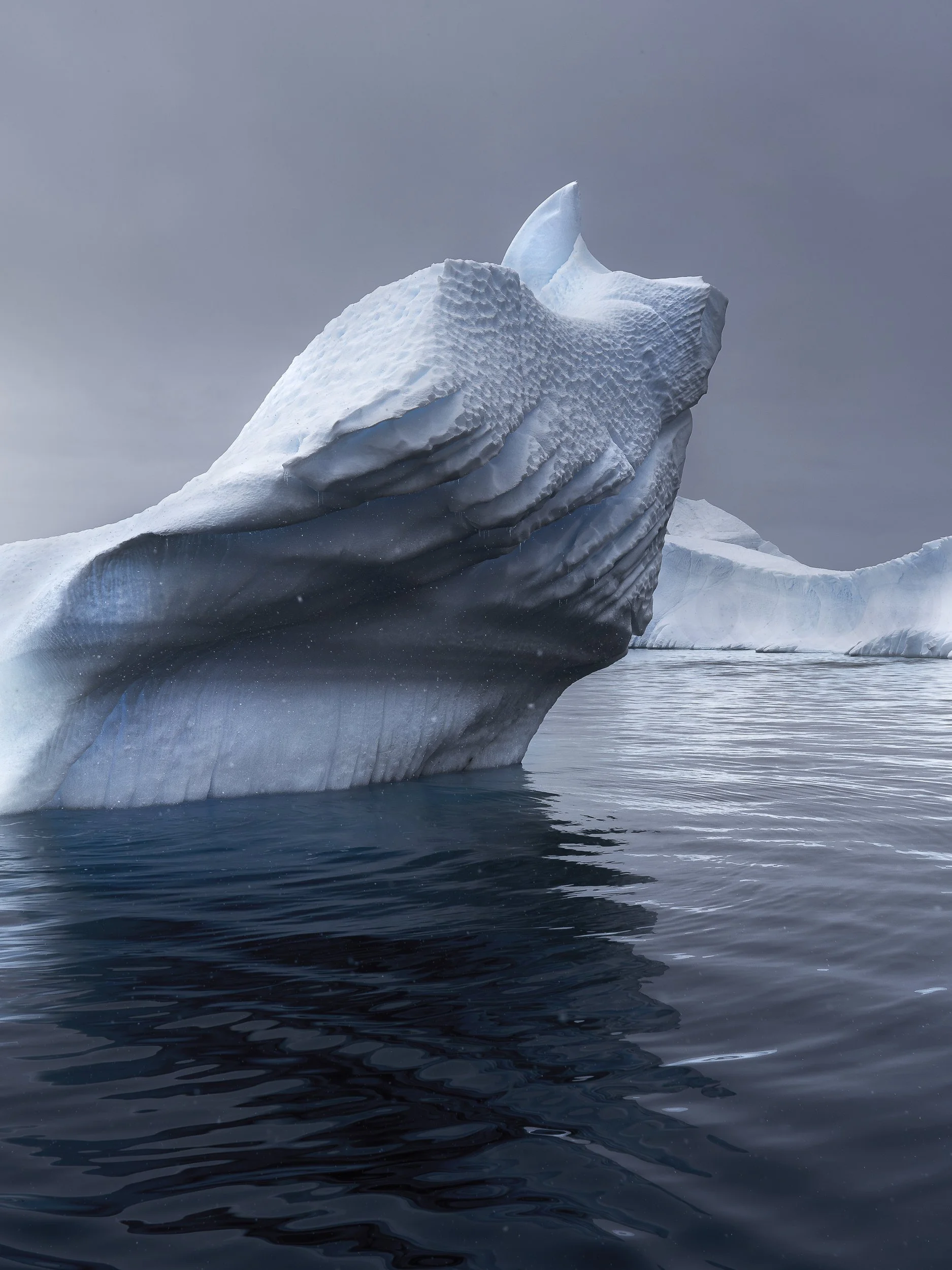
Lot’s of really interesting shapes. Every corner we turned there was something else to photograph, it was a dream!! The moody skies providing the perfect backdrop for the blue hues of the ice, the snow adding texture.
It was calm. We were having fun, relaxing in the zodiac. Watching a even bigger iceberg that looked really smooth, like someone had spent a great deal of effort to carve out artistic curves in a sculpture then…
CRASH…BANG… WALLOP!!! THE ICEBERG CALVED!!!
I deep, guttural sounds reverberated across the bay. Tonnes of ice breaking off in various different places, like something had set off a chain reaction.
I didn’t know whether to start filming or take photos. I did the latter after panicking and just hitting the shutter button. Luckily, I got some in focus, not a perfect composition, but when you have split seconds to react, I thought I did rather well!
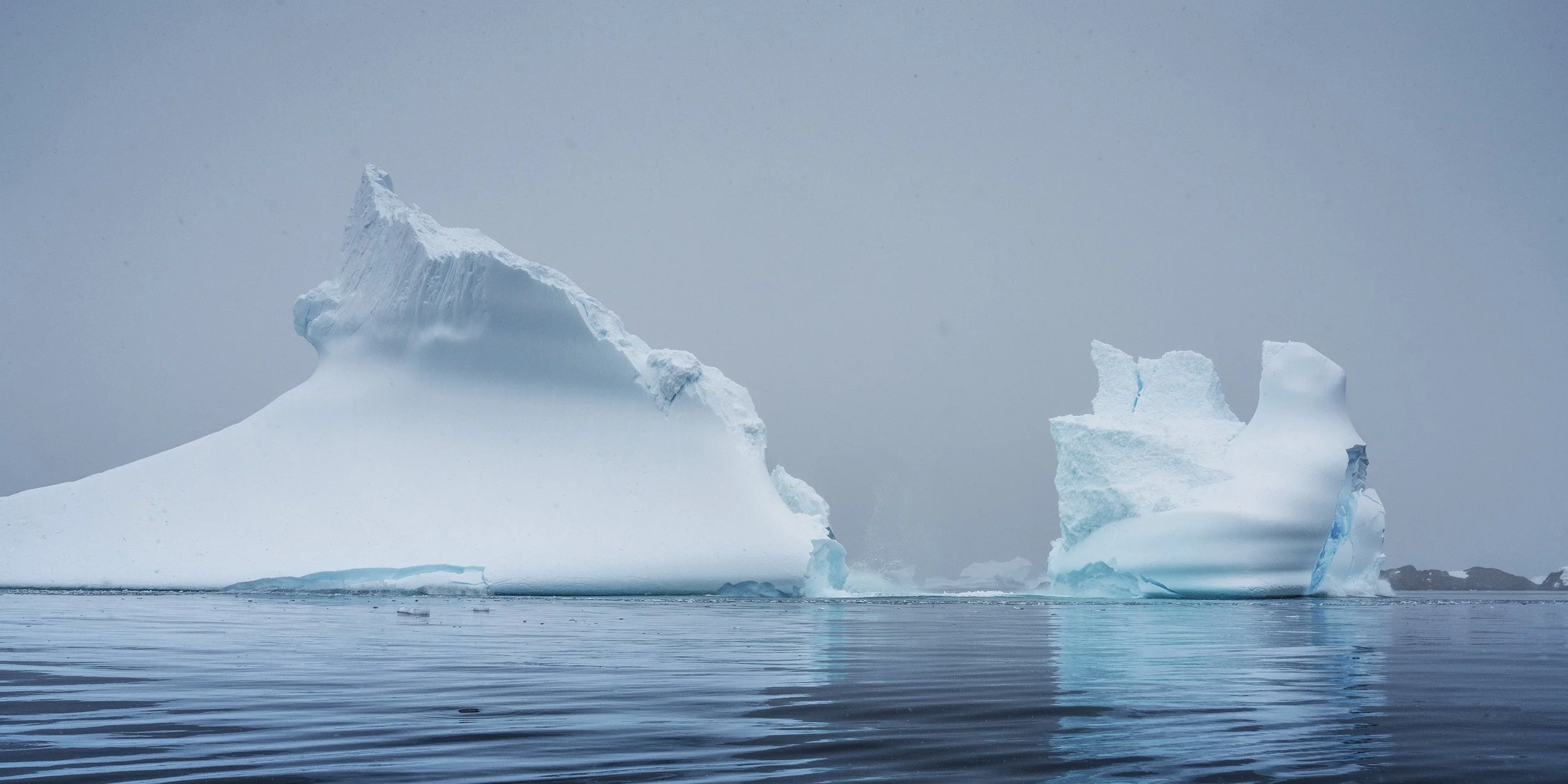
As the morning cruise progressed, so did my need to relieve myself. Sat there, cold, wet, bladder bursting, trying to take my mind off it by taking photos.
There were many more really cool icebergs, and the light was like something we hadn’t yet experienced on this trip. There were Terns and Skuas flying around overhead too.
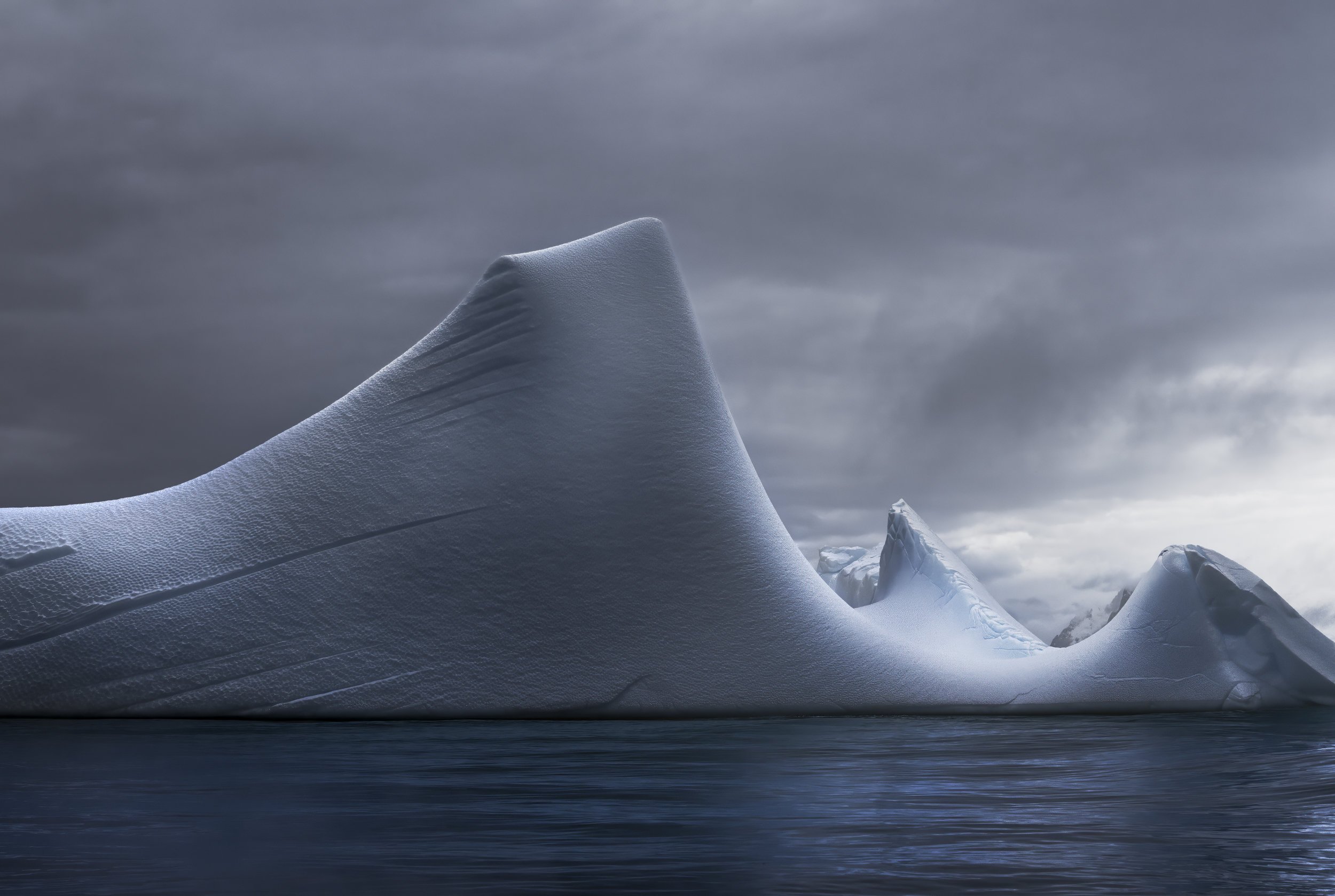
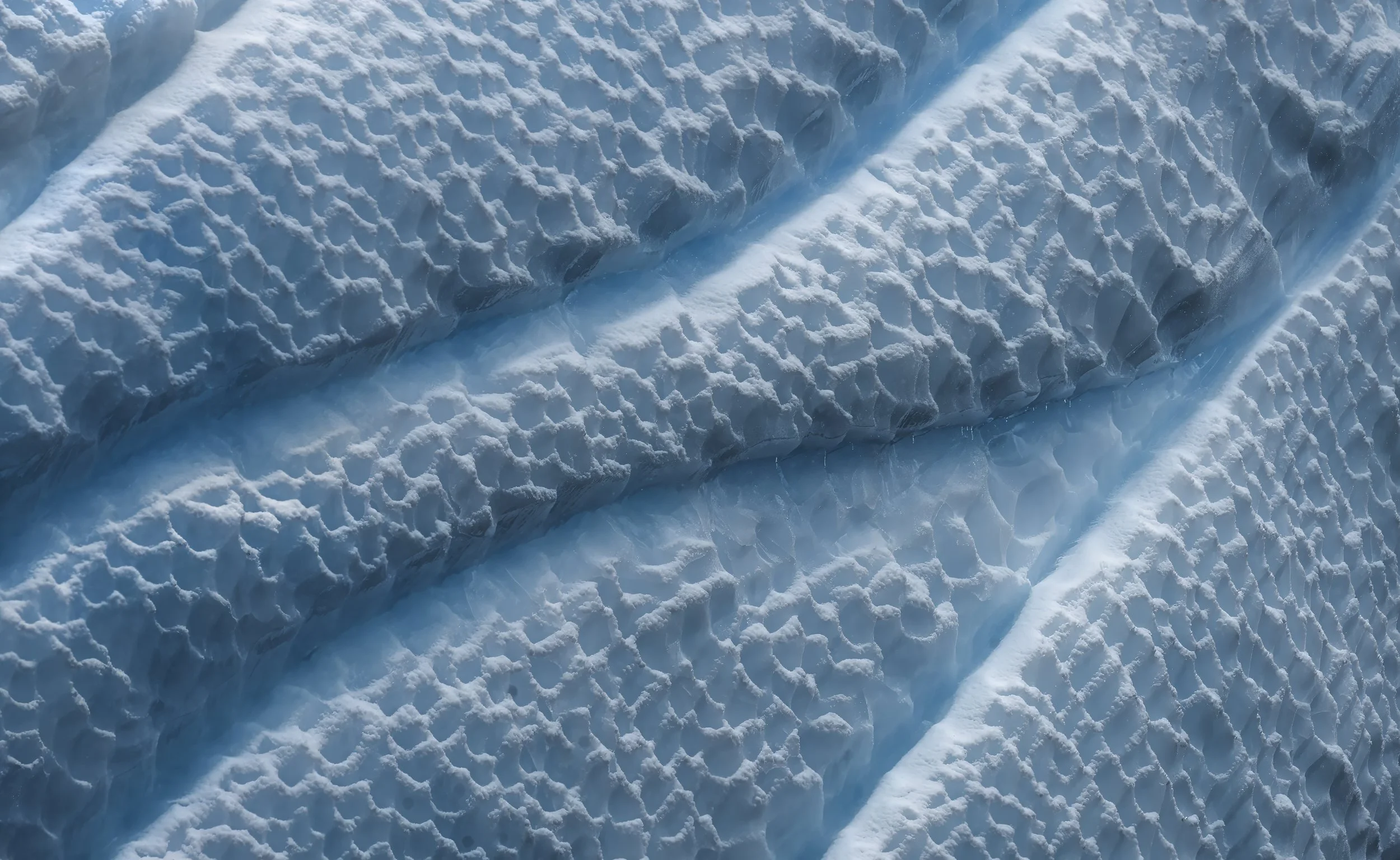
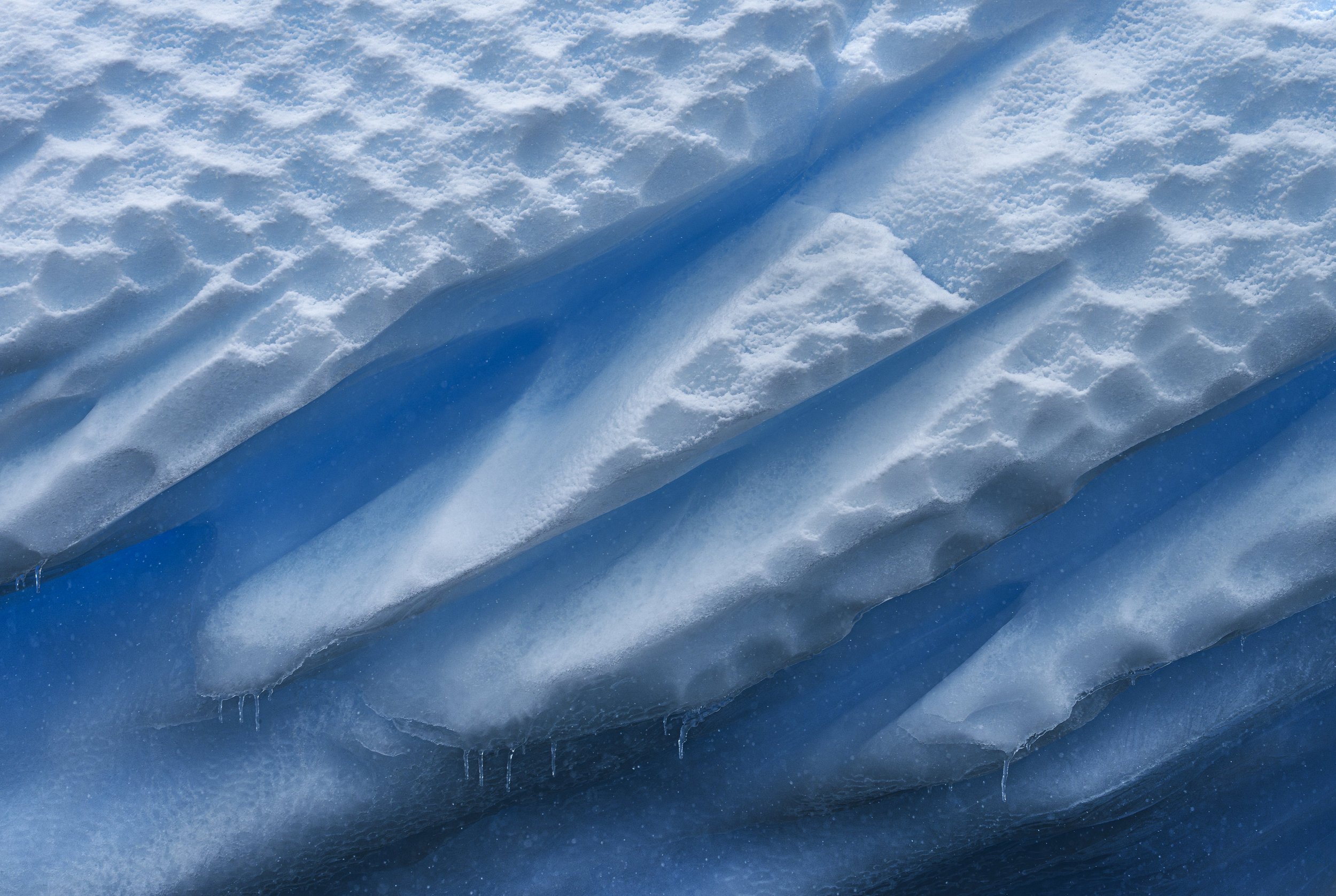
Also plenty of opportunities for abstract ice photos! I do love an abstract. They aren’t easy, but if you can get the light to hit something just right to accentuate a cool pattern and/or colour, then you can create a really nice image.
The afternoon rollercoaster of emotions
The plan was to go for a landing on Pleneau Island, however when the expedition team went to scout the landing site it was covered from top to bottom with Penguins!!
It’s a strict rule that we shouldn’t disturb the wildlife, and as such the landing was unfortunately cancelled.
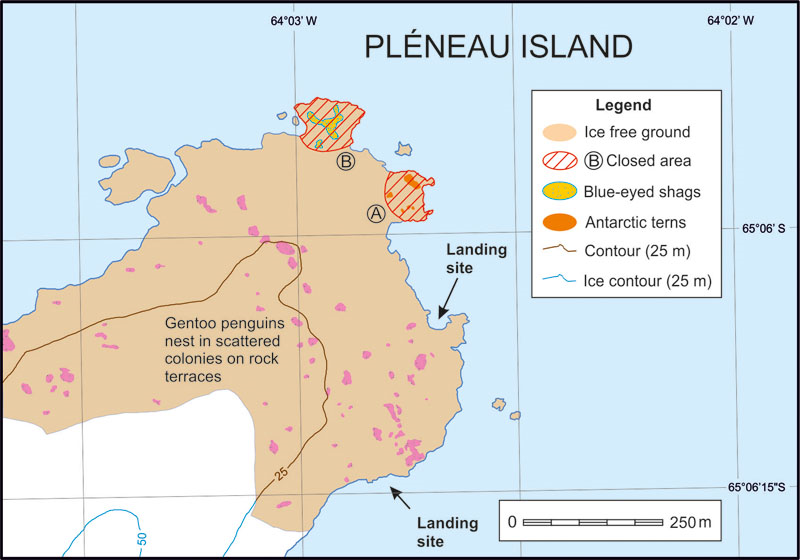
It was a shame, because that area is renowned for it’s beautiful landscape, and I was itching to get the tripod out and photograph some mountains!! That was the first disappointment of the afternoon…
Finally some landscapes
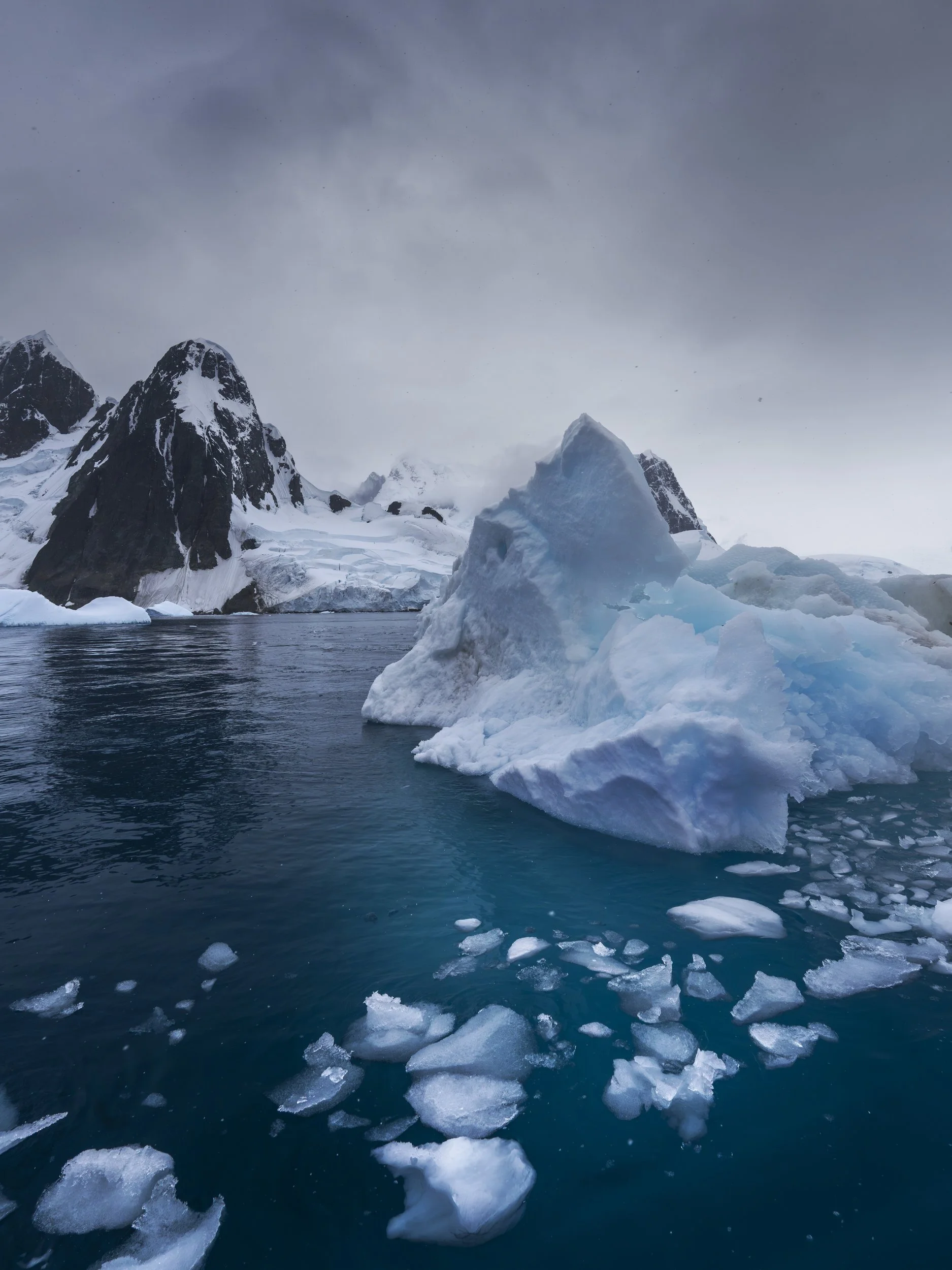
Once in the Zodiacs, I rode the emotional rollercoaster back up to the top. The mountains, coddled with clouds, looked incredible imposing. Dark grey skies, deep blue sea, black rocks and electric blue chunks of ice. I managed to finally get some incredible landscape shots!
The second disappointment of the day
When there’s 8 of you in a zodiac, all trying to photograph the same thing, it gets difficult. What we tried to do was make sure everyone got a chance around the iceberg with the mountains in the background. We would slowly float past parallel to the mountains, do a 180 and come back the other way so the other side of the boat got a chance to shoot too.
When the boats stopped, there is an opportunity to stand up, whilst the other side kneels down. And this is where my second pit of disappoint occured…
I was standing, moved too quickly and accidently knocked my magnetic polarising filter off the front of my lens. I saw it flip forward, in slow motion, bounce on the side of the zodiac, and the momentum took it overboard.
The sea is relatively clear, and I watched it as it slowly sunk to the bottom of the sea 😭😭😭
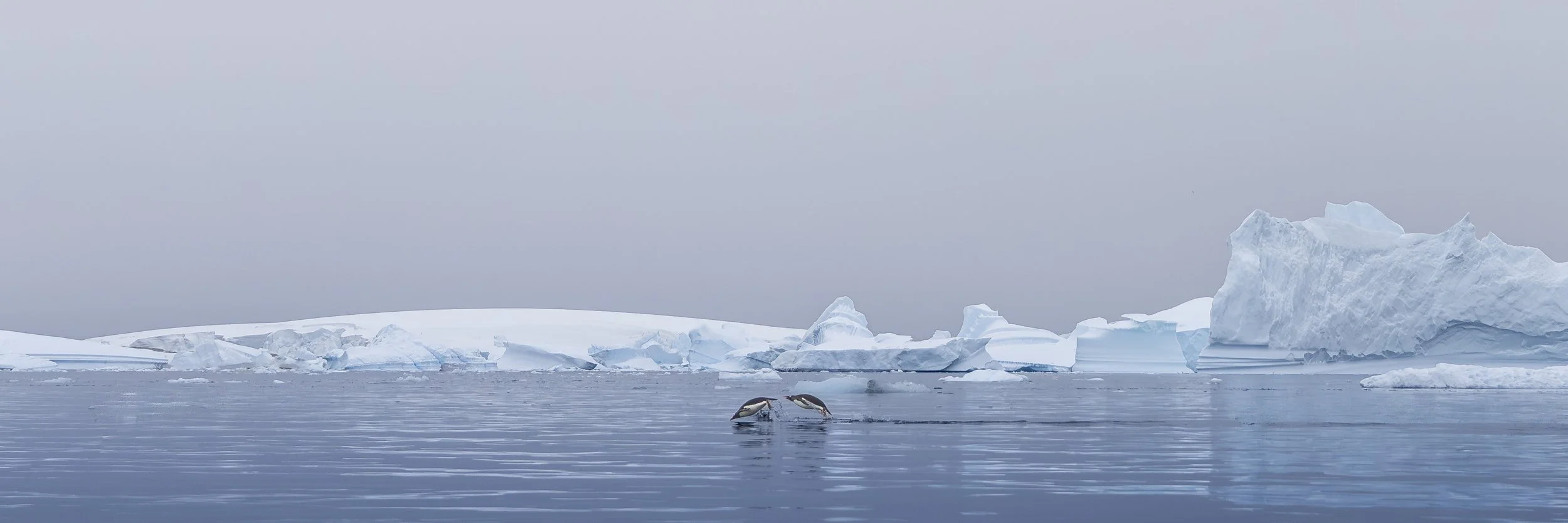
I cheered myself up again though once I finally got a good shot of porpoising penguins!! Trying to catch them in the right place, at the right time is soooo difficult. And to get two synchornised, wow!
the weather changes quickly in Anractica
We sailed around for a little longer, but the weather rapidly changed. The wind went from gentle breeze to angry fart in a matter of minutes. It was cold, the sea spray covering the front of our lenses.
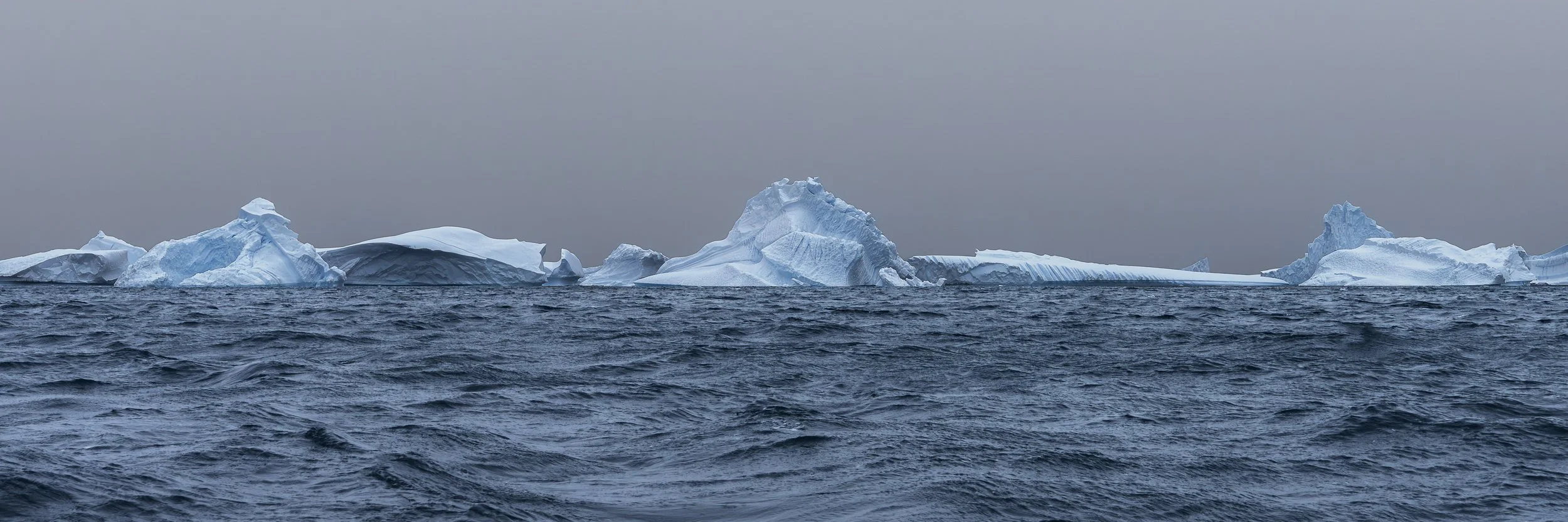
It was touch and go whether we were going to have to head back to the ship. We stayed out, but the photography become much more difficult. The zodiac bouncing up and down, the extra layers, gloves, hat and hood restricting movement.
The decision was made to navigate towards calmer waters. Trying to find some form of shelter in the little coves next to the mountain. That’s where we met a group of Antarctic Terns hopping about the rocky shoreline. And where I caught this next shot.
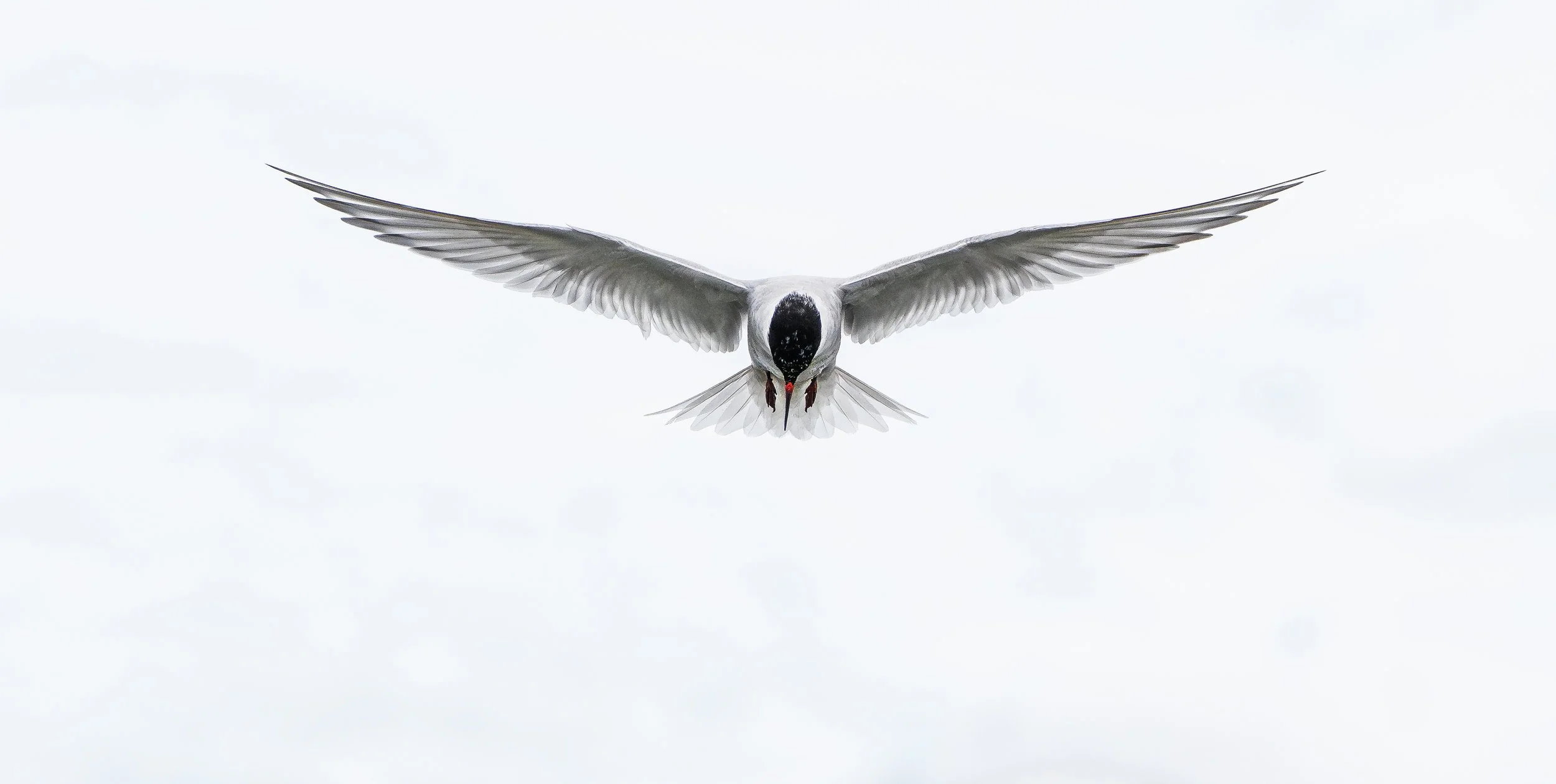
Nearly 3 hours we were out in the cold. I wasn’t ready to stop taking photos, but I was ready to warm back up! Luckily, cocktail of the day was a hot White Russian. Basically a latte laced with Kaluha and Vodka. It did the trick!
The Evening Debreif
I’m not sure I’ve talked about this yet… every evening at around 6pm we all head to the lecture hall at the front of deck 5. That’s usually where I get my first cocktail or beer of the evening.
The Aurora expedition team will give us a debrief on the days activities, exactly where we were, what wildlife we saw.
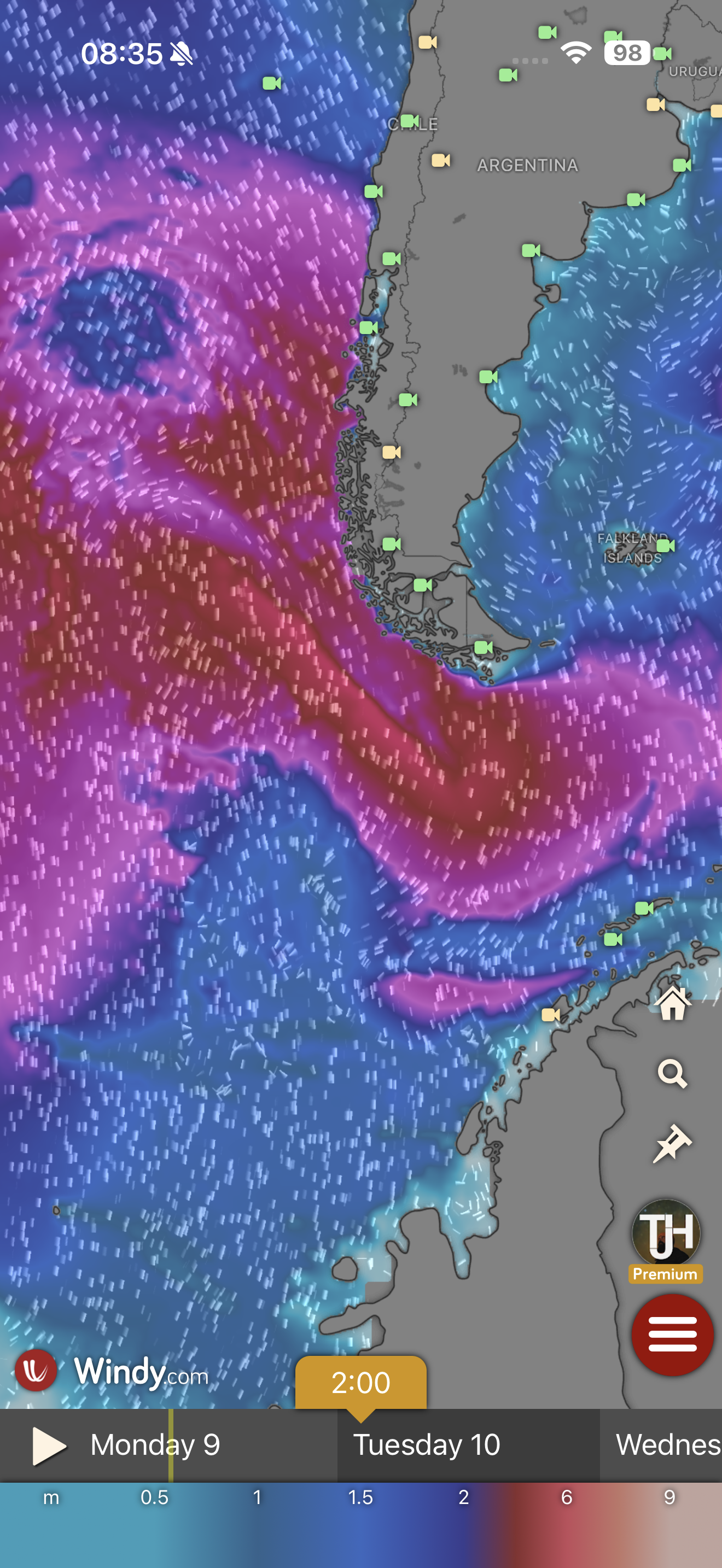
Then we move onto the the plans for the next day. We look at the weather, what potential options we have for landings and cruises. But this evening, the plans were a little more sombre.
Gabby, the expedition lead looked sombre as she started to show us a storm approaching the drake passage.
We were unsure, but it was likely we’d have to cut our expedition short by a day to try and make it across the drake passage before the storm hit and swells rose.
Up until this point we’d been in rather calm seas, blissfully unaware what the drake shake really was and what 5m+ swells would do to a ship this size, and our stomachs!
It was going to be suck and sea for the next 12 hours… the next update to the forecasts was due the following morning.
Day 7 - Cuverville Island and the Great Escape
5:30am Tannoy: “Good morning Everybody, good Morning!!!”
Groggy, half awake, as I’d got up to check for sunrise only to find out it was snowing again. I tried to go back to sleep when the ships Tannoy went off. It was our amazing expedition leader Gabby.
We got a wake up call every morning, but it wasn’t due until 6am… something was going on.
“Just to let you know, a pod of orcas has been spotted on the port side of the ship in case you want to grab your cameras”
You know when you miss an alarm and realise your going to be late for work, that shot of adrenaline makes you jump up! Well that’s what happened to me! Still in Pyjamas, I grabbed my fleece and then my Camera with 100-400mm on.
In the middle of the ship on our floor (floor 4 on the Greg Mortimer) we could get out onto a shared balcony. There was about 5-8 of us all huddled in the snow and wind. Half awake.
The light was terrible, there was so much snow. For a non-season wildlife photographer trying to track and focus on orca’s in these conditions was almost impossible. Just imagine, I hadn’t even had a coffee yet!!
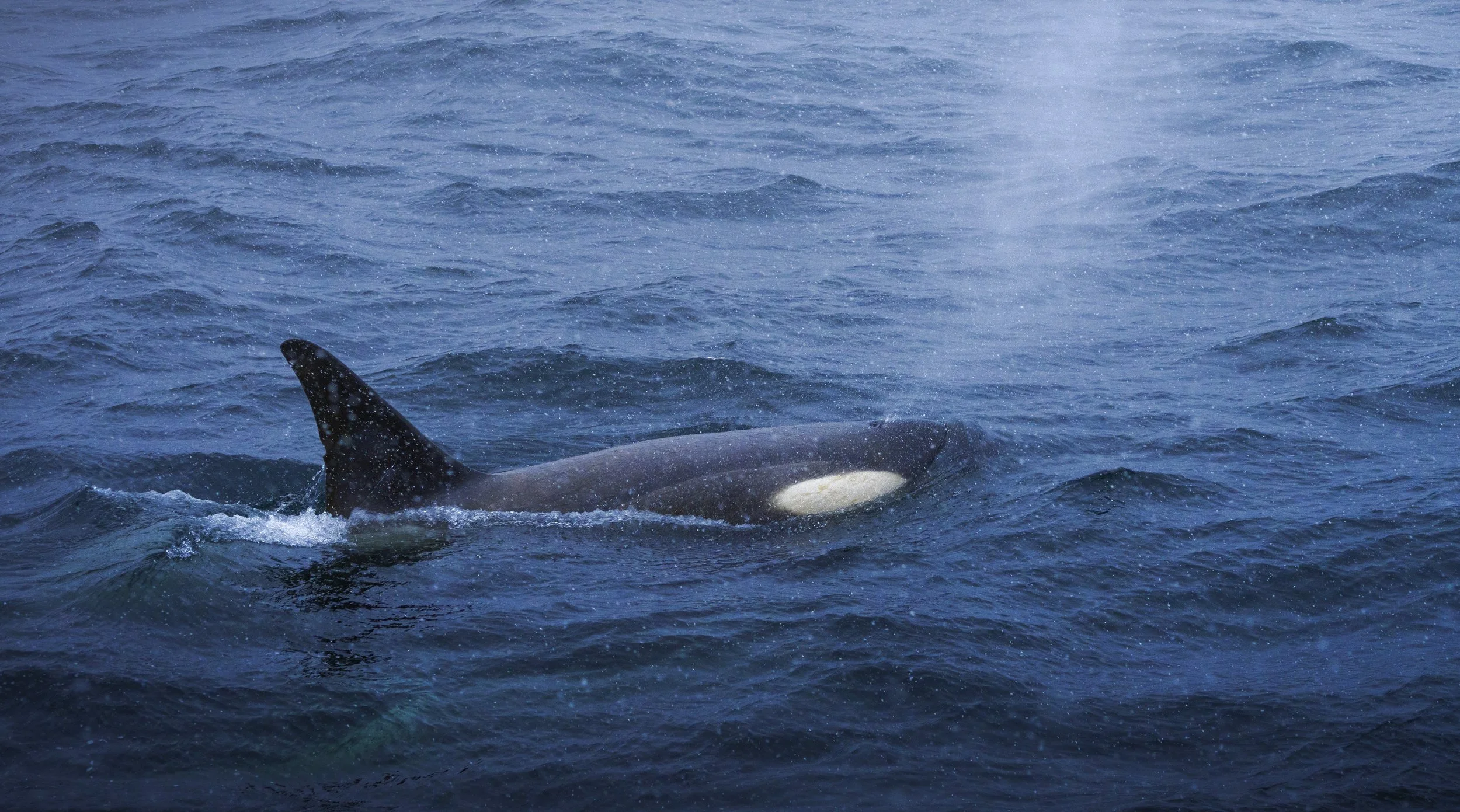
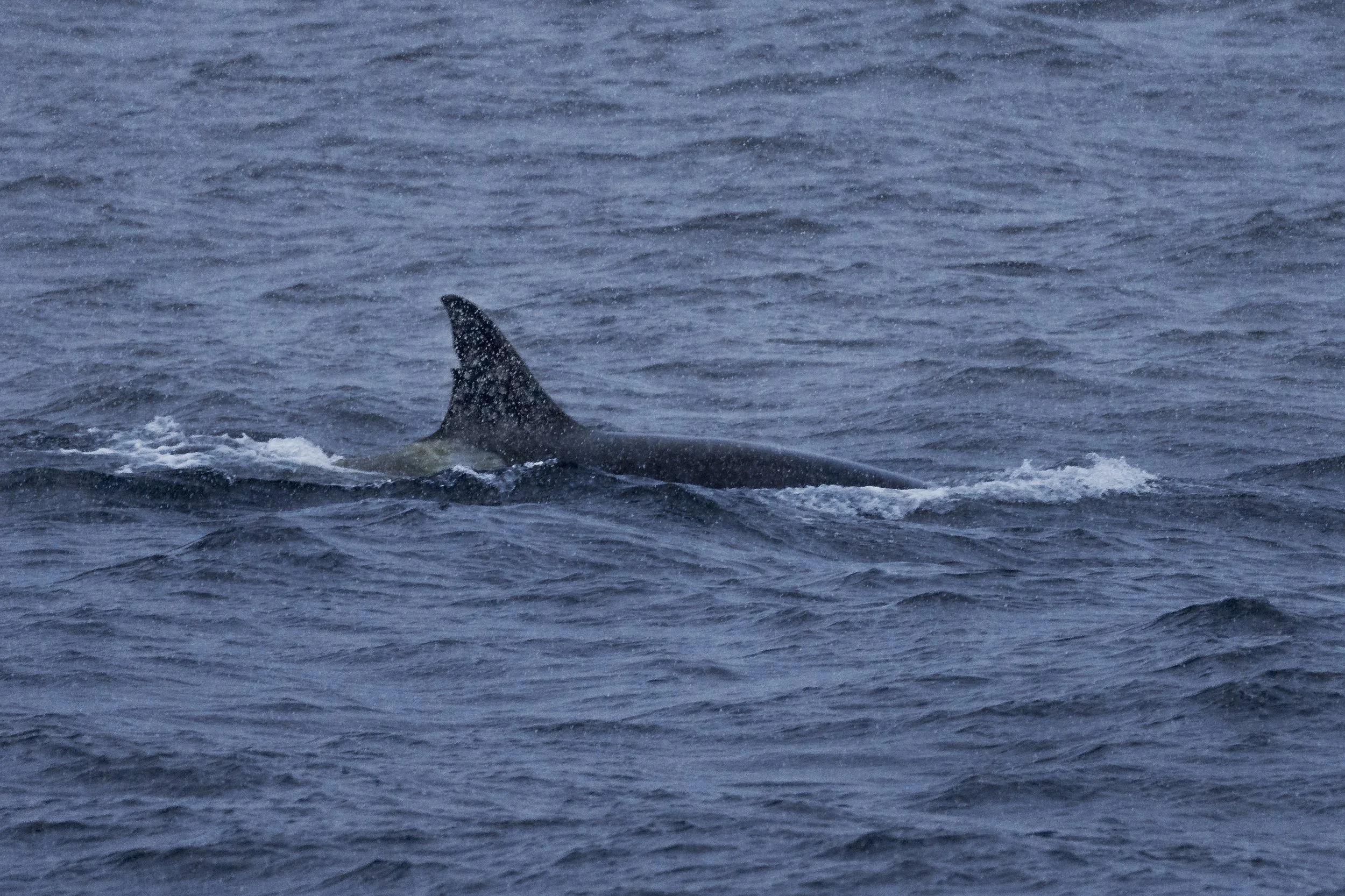
Like I already said, I’m no Whale-ist, but it looked like there were two adults and a child orca. Periodically popping out of the water was also a seal soon to be a meal. It kind of looked like they were playing with their pray, or wearing it out.
However, when we all reflected on the experience over breakfast, perhaps the adults were teaching the baby orca (do do dooo doo….) how to hunt. What an experience!
Cuverville, the final landing
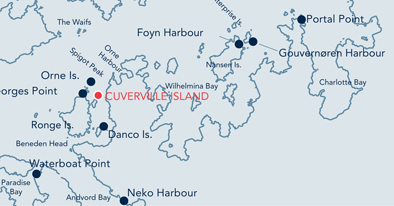
We kind of knew it, but didn’t want to believe it. This was to be our last off-ship experience of the expedition. A landing on Cuverville Island.
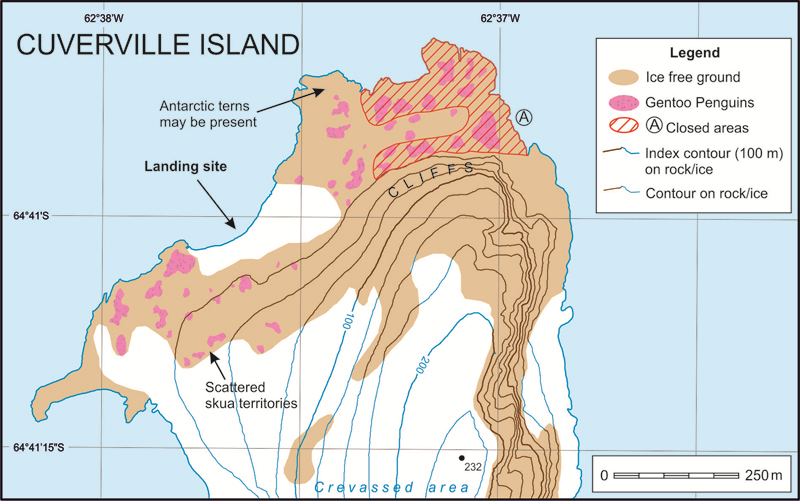
Cuverville Island is a small, steep-sided Antarctic island in the Errera Channel, renowned for hosting one of the largest Gentoo penguin rookeries on the Antarctic Peninsula, with over 6,500–7,000 breeding pairs. We anchored way off shore, but even as I stood on my balcony, I could smell the penguin guano… fishy!
Gentoo Penguins Everywhere
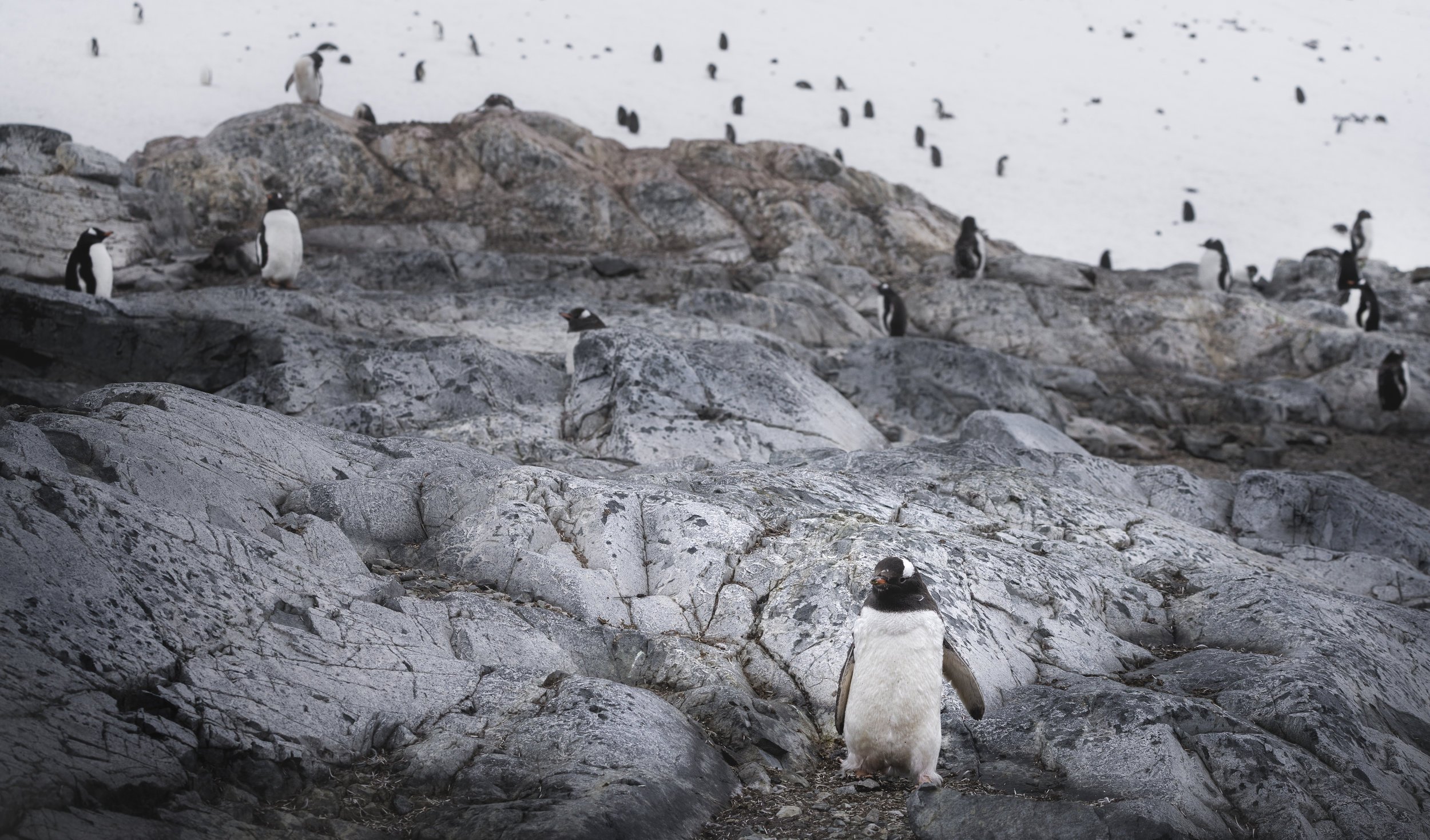
The landing site is a long pebble beach with colonies of Gentoo on either side. I spent the first houe exploring the north-west end of the beach, filming the penguins for some b-roll and taking some portrait photos.
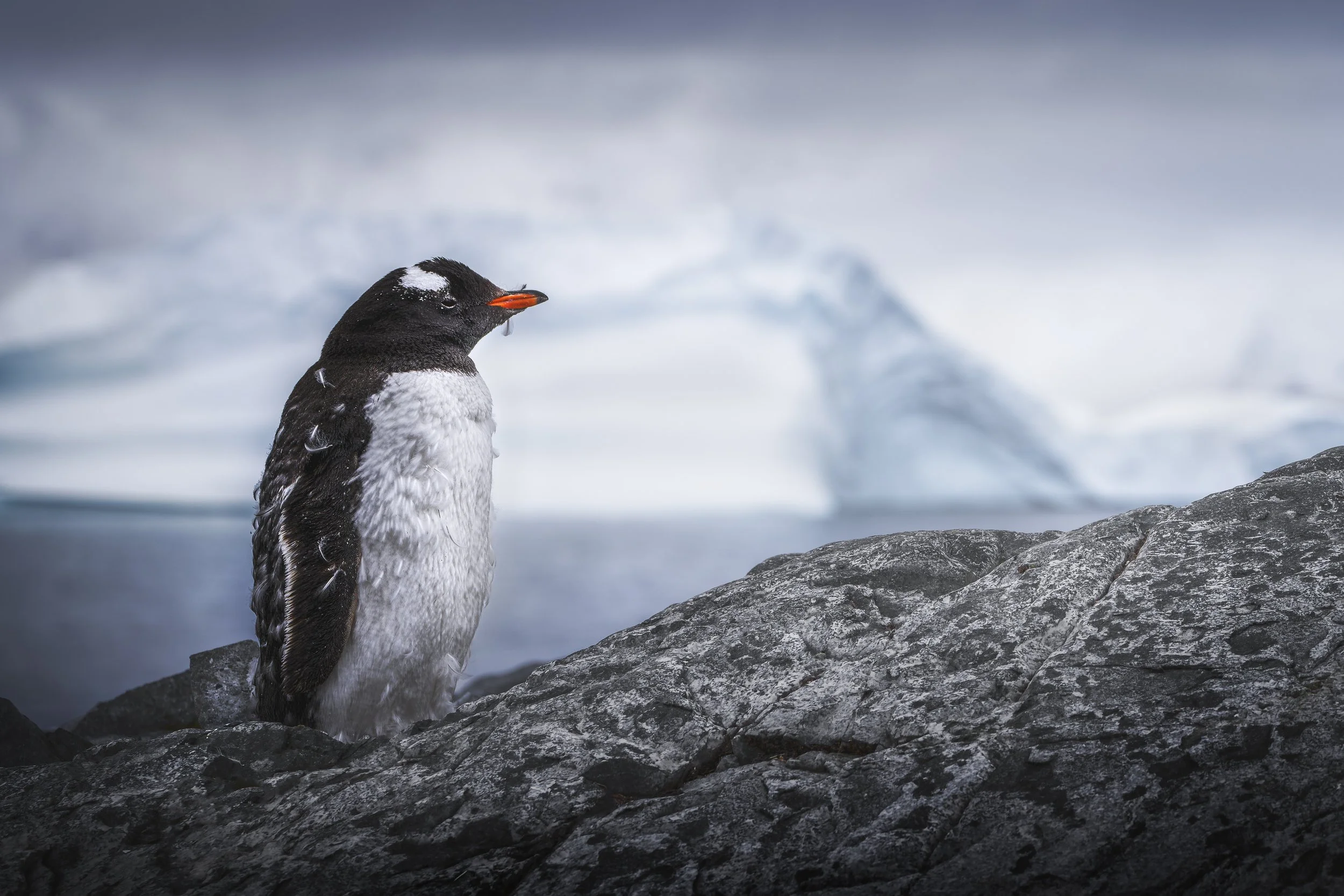
It was malting season for the juvenile gentoo. They shed their downy baby feathers for their adult coat. The process can be very painful and distressing for them. We were constantly made well aware of this fact by the expedition team, and as such were asked to give them a much wider birth than the other penguins to not disturb them further.
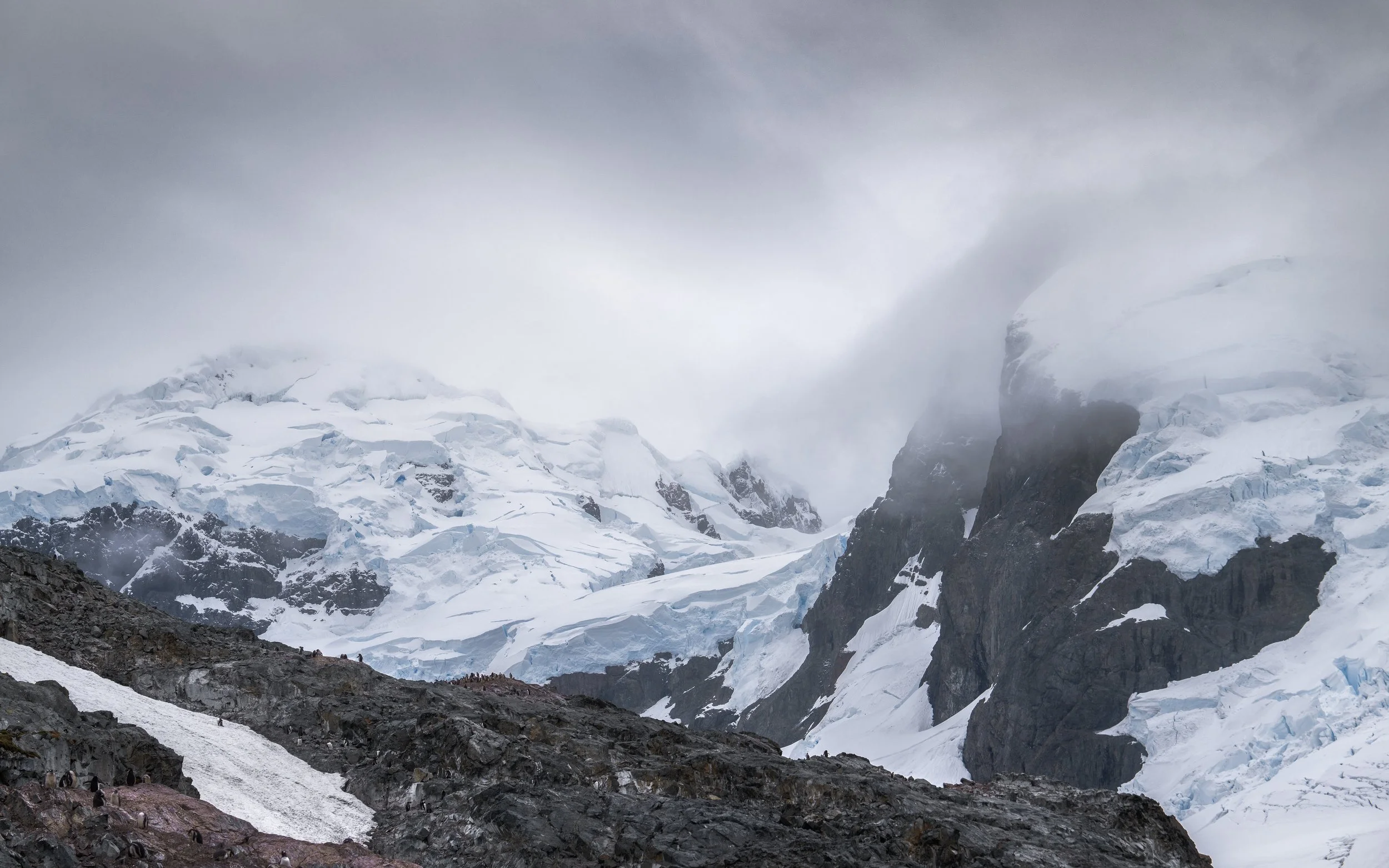
After playing around with some more environmental shots of the colony, I noticed a number of people on the shoreline up to their ankles in the sea… what could they be up to I thought…
Many of the Gentoo there had chicks to feed. The chicks need about 700 calories per day, so the parents are very often out foraging in the sea. What we were foraging for was not just porpoising penguin photos, but photos of them swimming underwater as they zoomed past near to the shoreline!
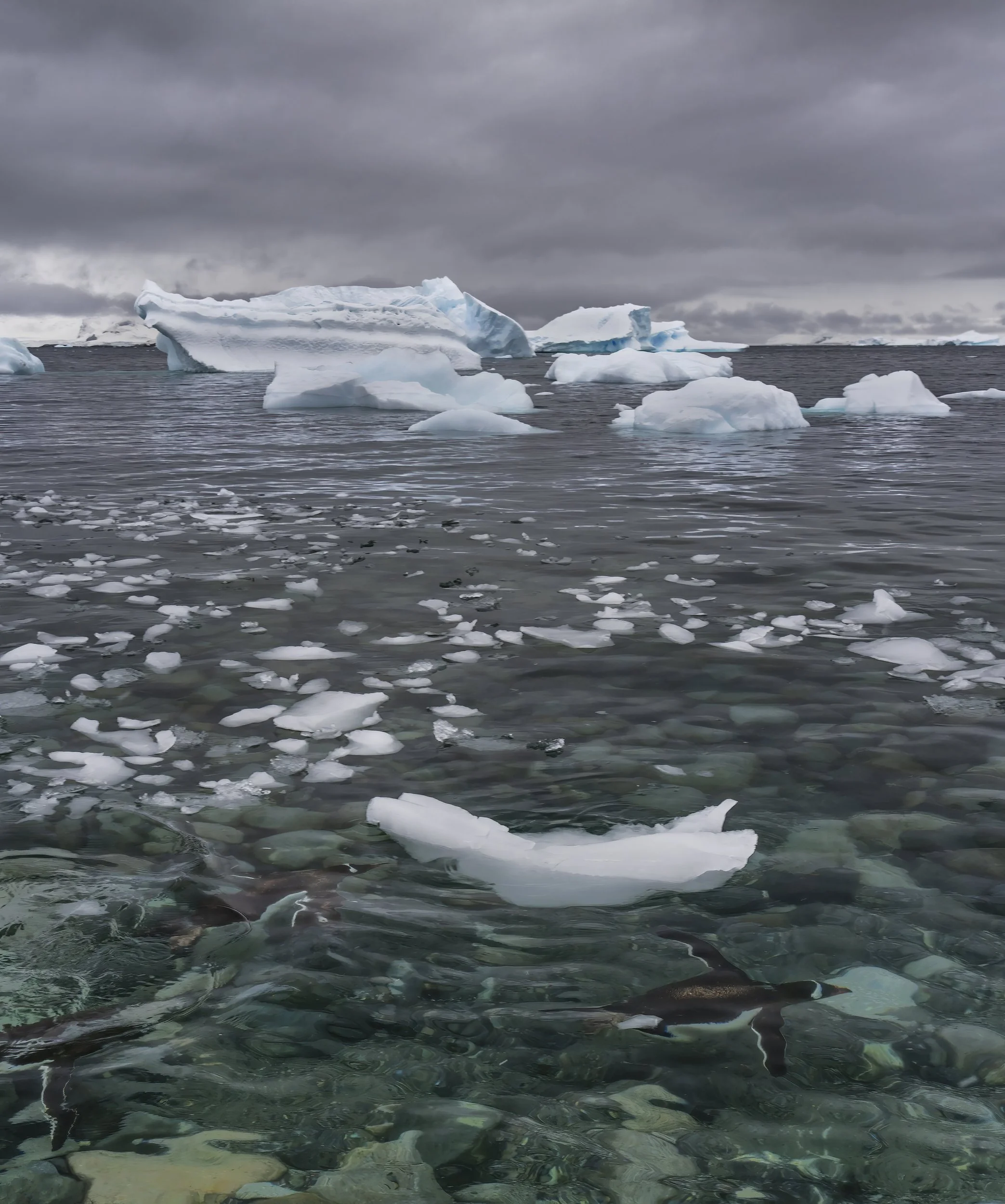
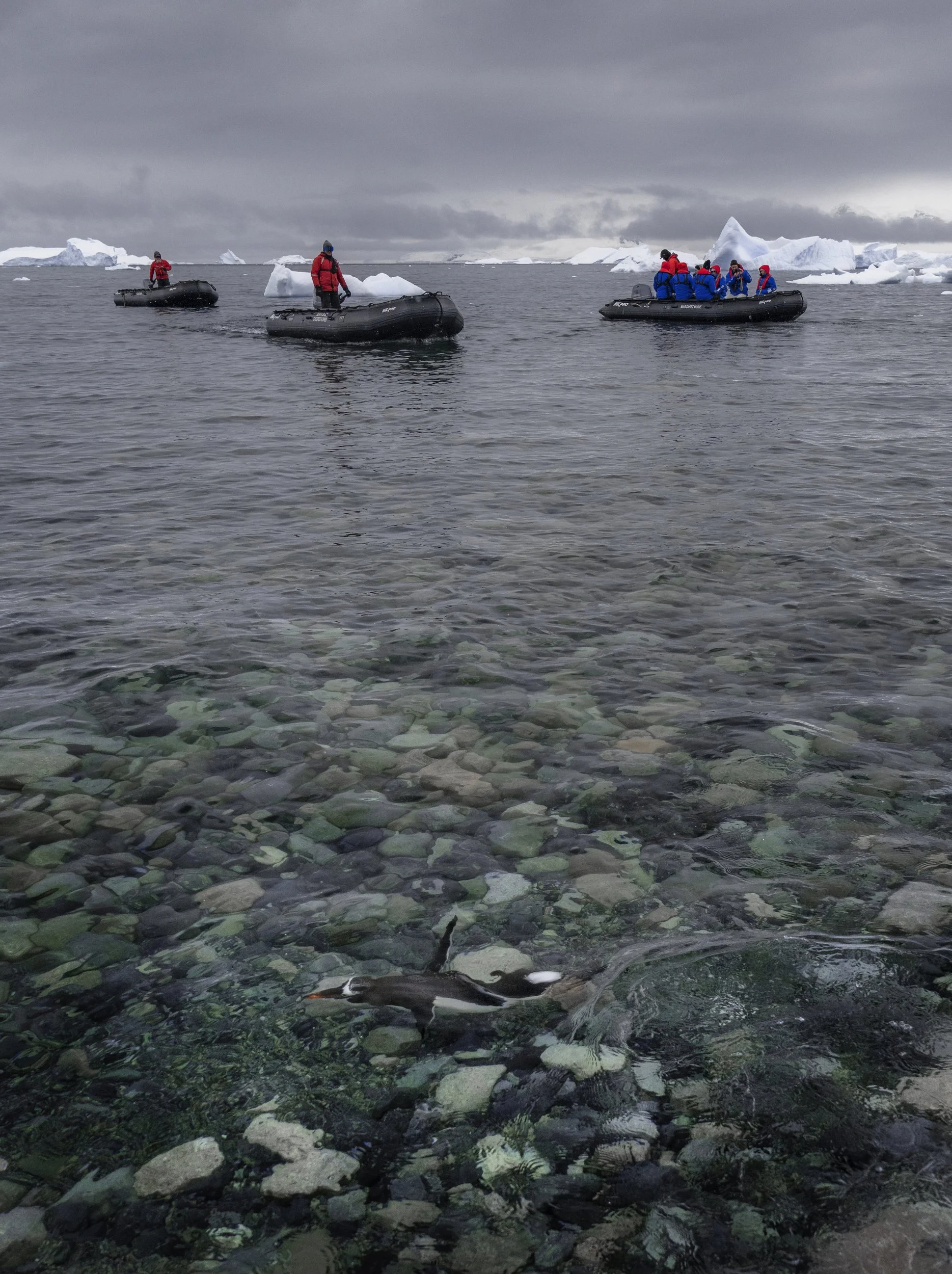
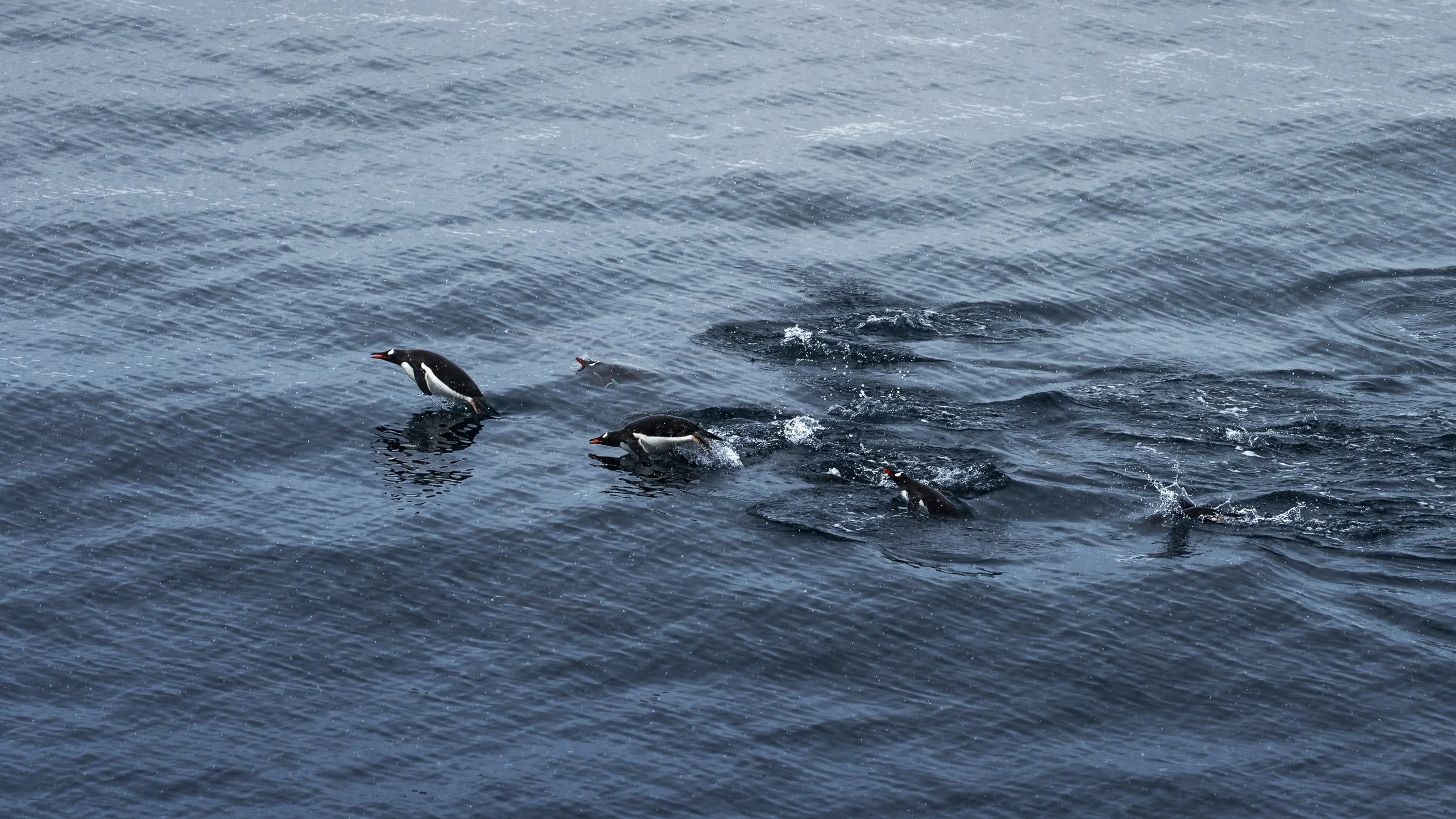
I’m sure others got much better photos than I did, but it was great fun working together to spot them then loudly and excitedly announce their imminent arrival. Gentoo are the fastest swimmers of all penguins. Those little buggers can get up to 36 kmp/h!! Helps them not just get away from predators like leopard seals, but also photographers like me!
The one advantage of this particular colony was that it was big! It meant plenty of penguins constantly swimming out to sea, therefore a statistically higher hitrate for porpoising penguin shots
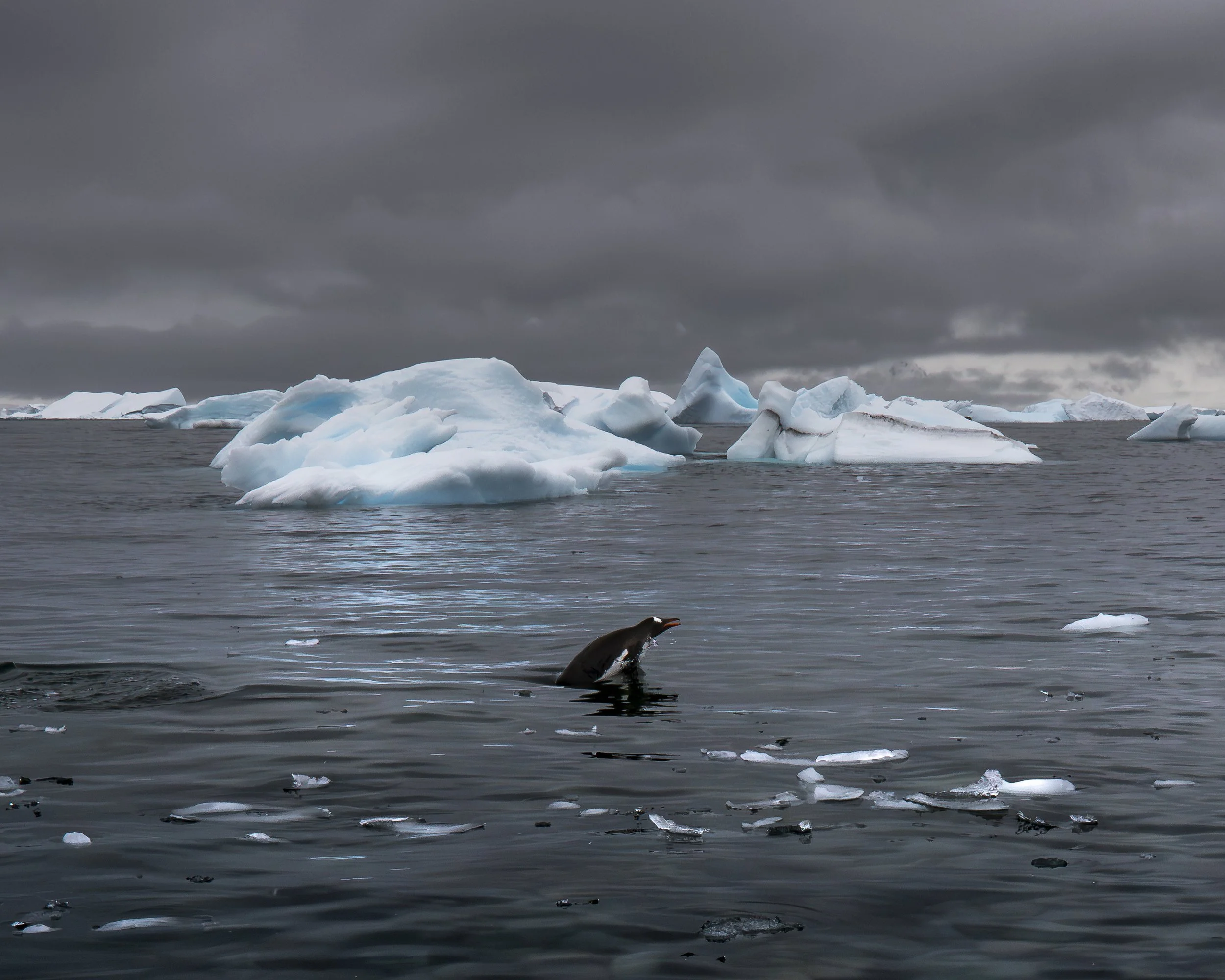
I didn’t want to get back on the zodiacs, I didn’t want to leave Antarctica… a few last shots that look like they could be an indie album cover if the penguins ever decided to start a band.
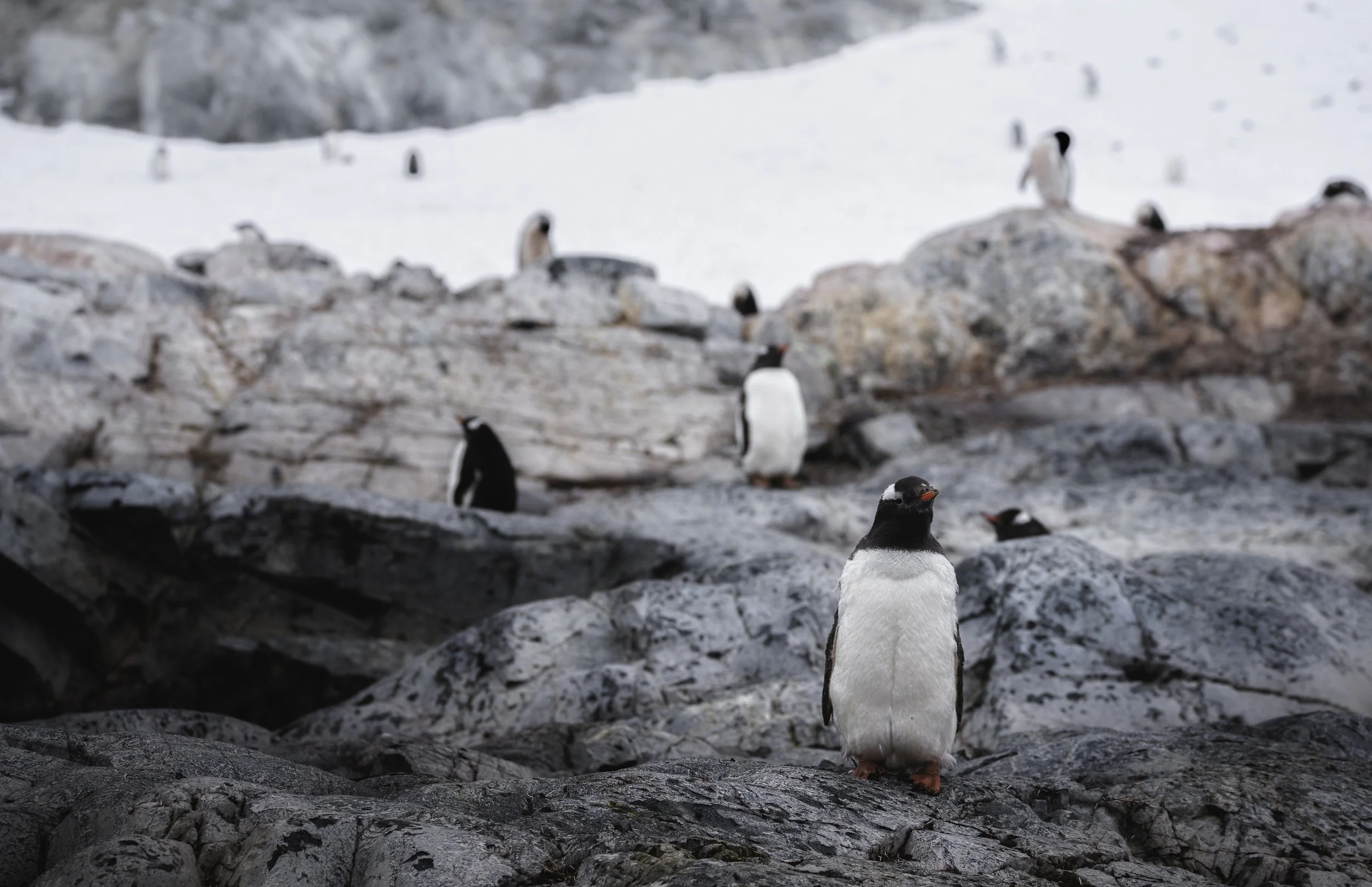
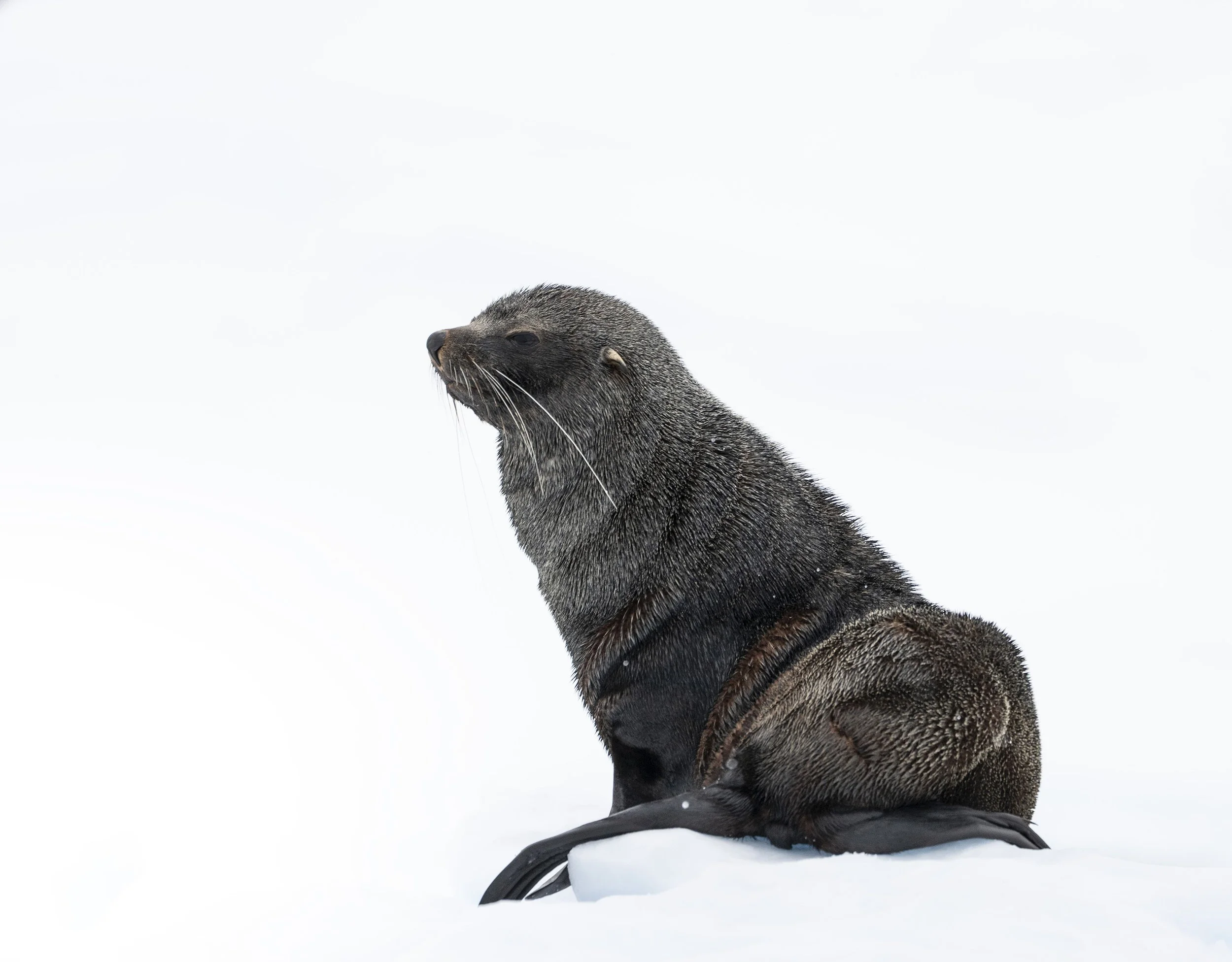
On the way back to the ship, there was time to go and say a quick hello/goodbye to a fur seal.
The Great Escape
It was confirmed. We were to going to make a beeline for Ushuaia hoping to miss the worst of the storms heading towards the drake passage from the west. Usually the speed limit for ships around the peninsula is 10 knots, but we had gained express permission to go faster and start making haste as this was a passenger safety concern.
I think the Gentoo became attached to us after out little visit to their island. They swam up to wish us goodbye.
Days 8,9 & 10 - Drake Shake or Drake Lake
We knew it was going to happen, the crossing of the Drake Passage. Some of us were excited to see what it was like, most were not looking forward to it! Those who had been across it before knew what to expect and disappeared into their cabins, not to resurface for 48 hours.
The Drake Passage
The Drake Passage is a notorious 600-mile-wide (1,000 km) body of water between South America's Cape Horn and the South Shetland Islands of Antarctica, linking the Atlantic and Pacific Oceans. Often considered the most dangerous or deadly bodies of water in the world, it is estimated to have claimed over 800 ships and 10,000+ lives throughout history.
Our Ship, The Greg Mortimer is designed with an X-BOW which has a tapered fore ship shape designed to pierce the waves. This reduces pitching and bow impact loads in rough seas, preventing the vessel from rising on the waves and dropping heavily onto the water's surface as with a traditional bulbous bow.
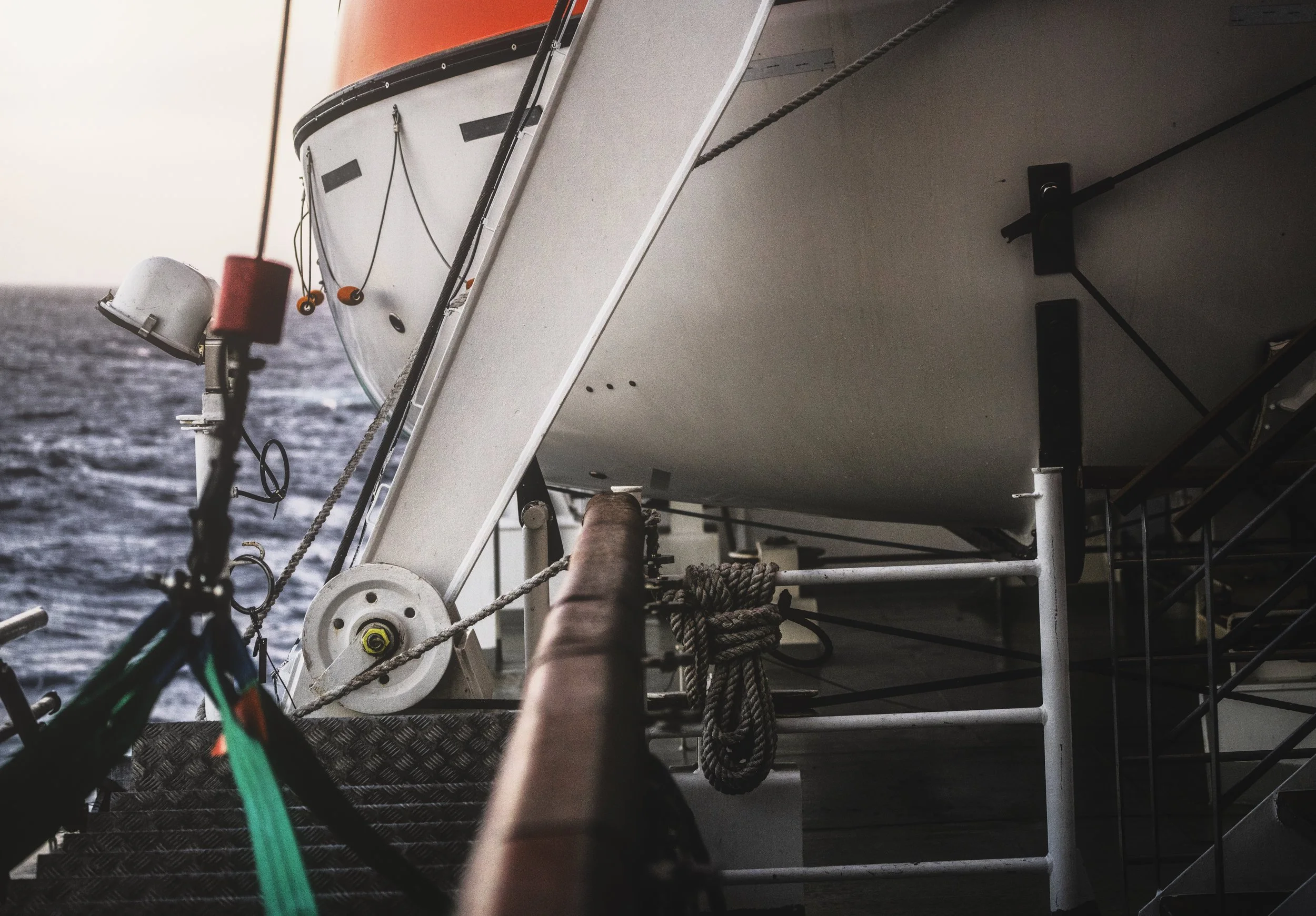
Despite all the design features, we entered into 3m swells, and during the crossing the were anywhere between 2-5m! Those sensitive to motion sickness went to lie down, which is meant to minimise the nausea. The rest of us wobbled about the ship taking the opportunity to relax (as much as one can on the open sea).
There’s not much to shoot out here, except sea birds like Albatross and the Waves themselves. The days were filled with hot drinks, chats and lectures from those who could still bear to stand.
In the deck 5 bar area there was an interesting photo on the wall which depicted a rough sea and really spiky waves. Looking out the window next to it, I was sure it wasn’t ‘straight out of camera’, so I set about experimenting.
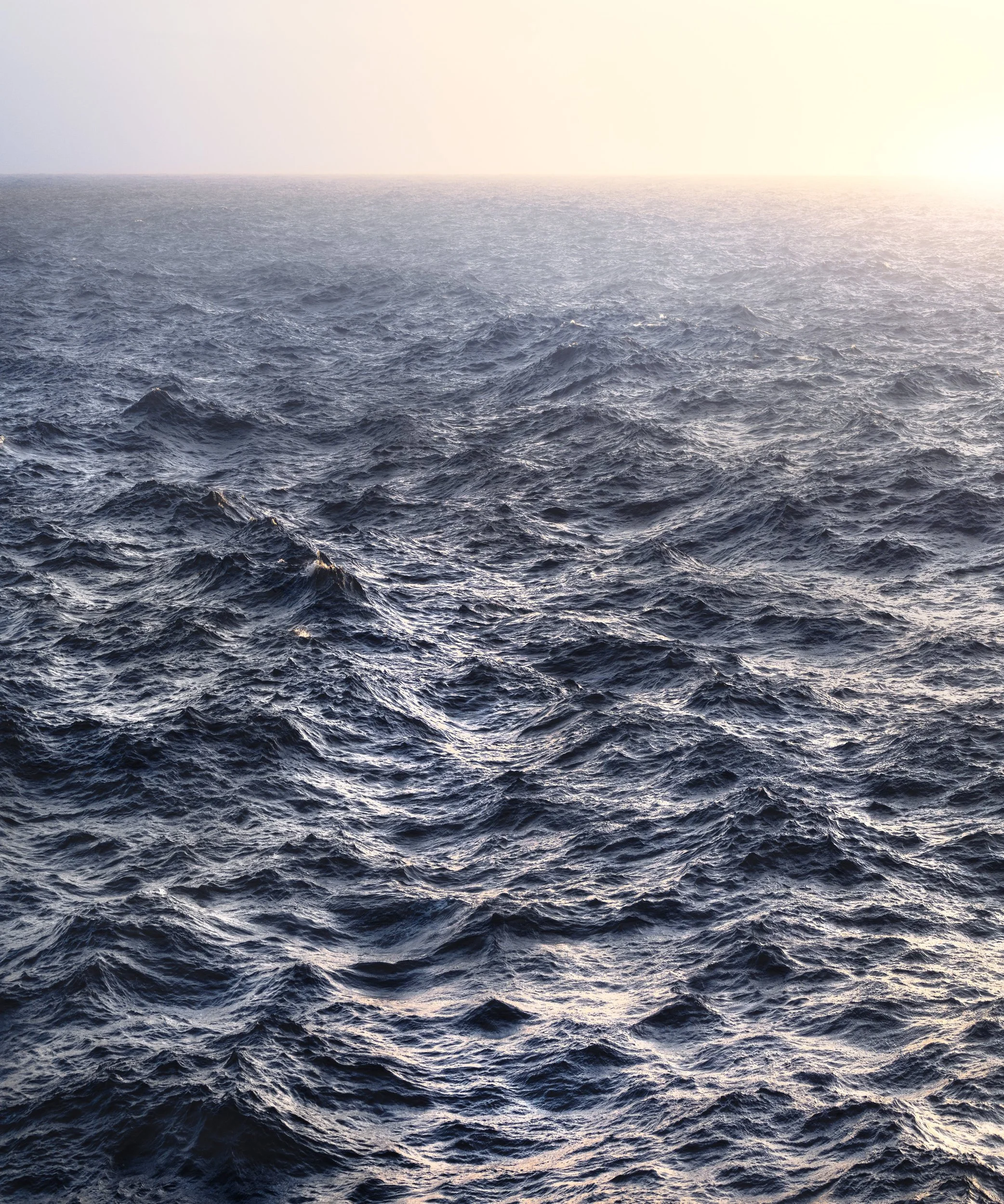
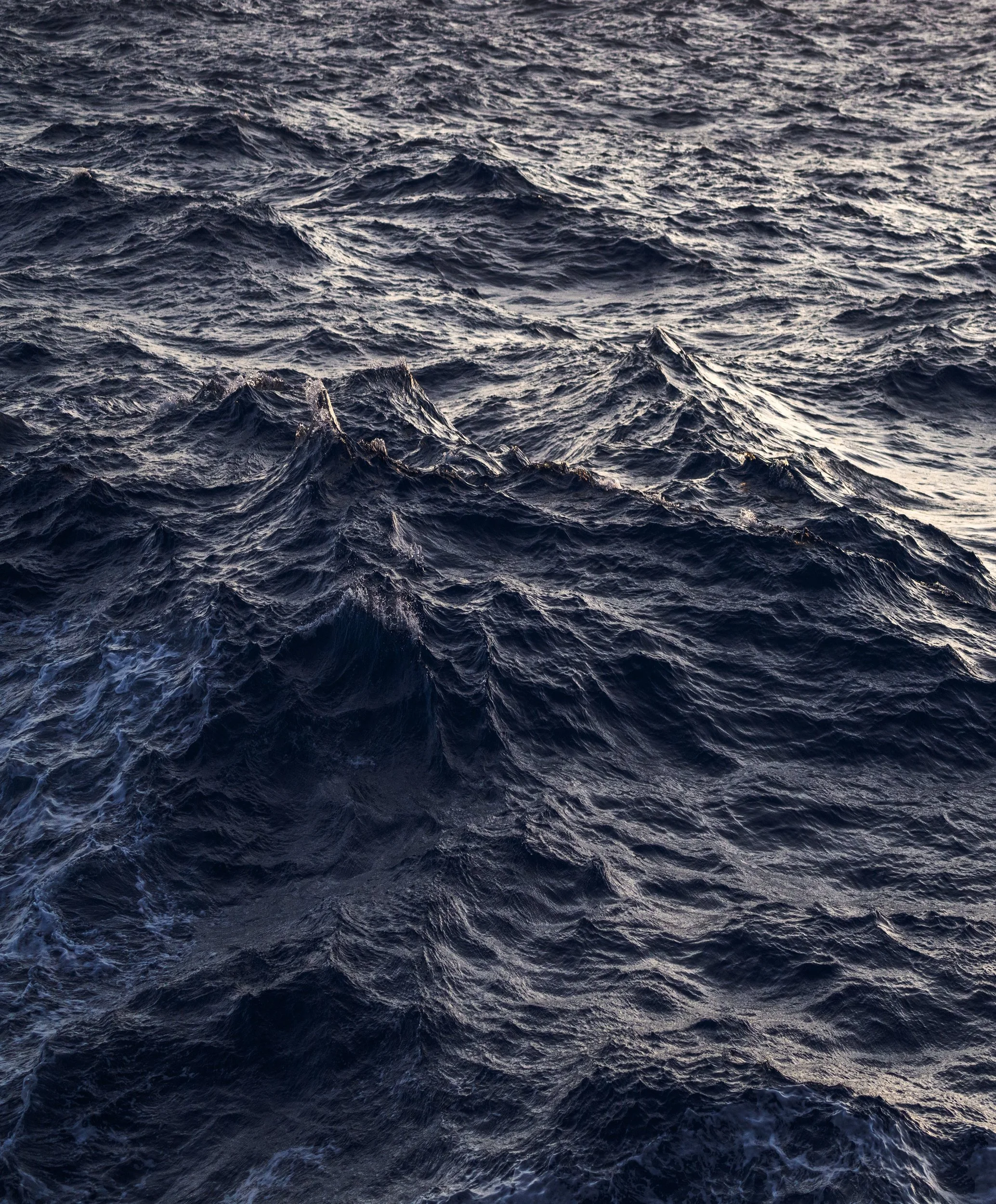
It turns out all I needed to do in order to replicate it was take a landscape photo and squeeze it 50%. It’s not quite a depiction of reality, but I really like the spikey sea effect.
Deck Tour
With a little more downtime without excursions, the expedition team agreed with the captain to allow us to have a deck tour. I’m not sure how they do it. The front-top of the ship was bouncing around like nobodies business and the room was HOT! Hardly survived the tour, let alone 3 days sailing across the drake. Fair play to those guys.
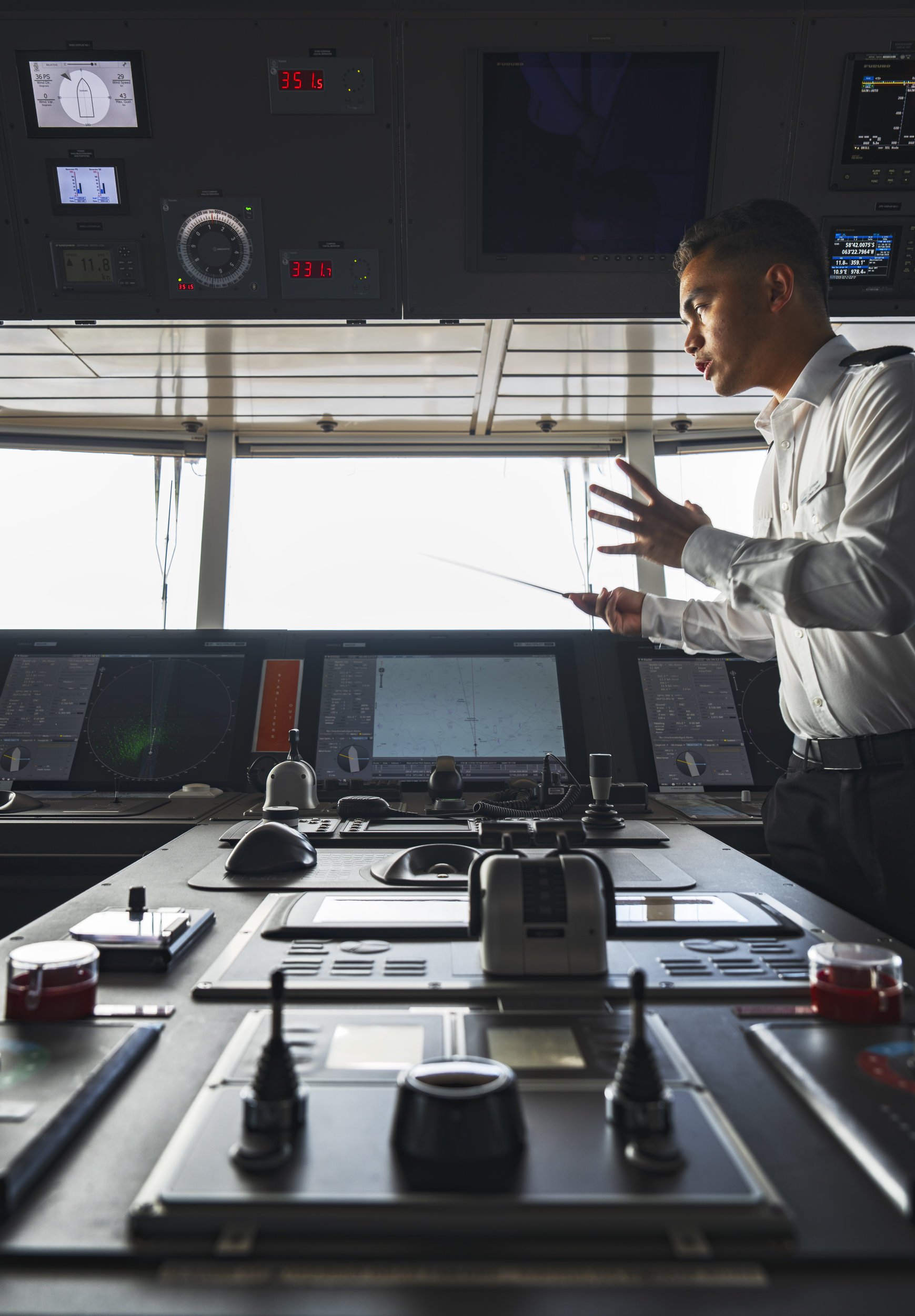
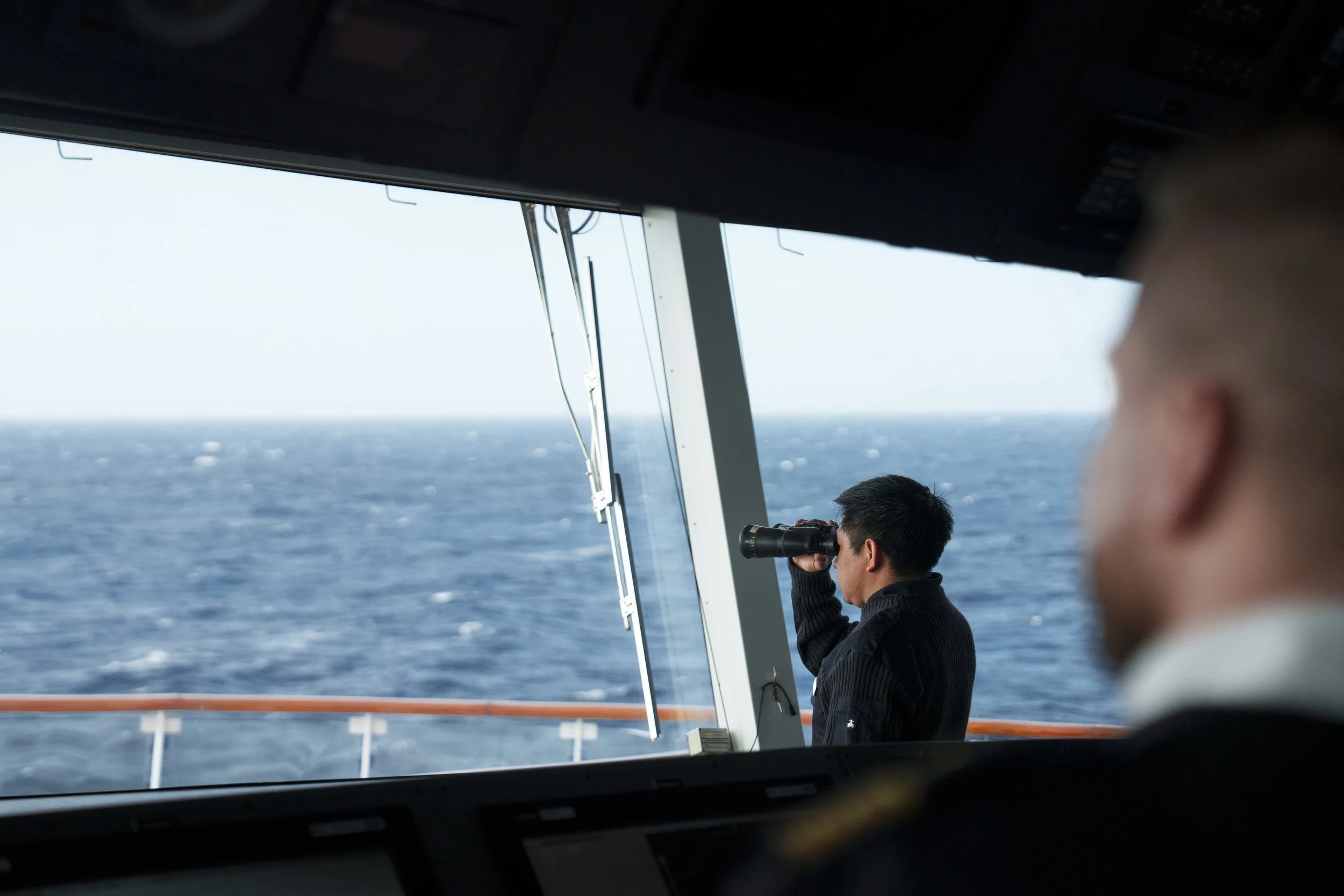
At all times, there must be a spotter on deck. They take it in shifts a couple of hours at a time, looking out for mostly marine wildlife to make sure they are avoiding them.
The Final Day
We had arrived just off the coast of Argentina, the sea’s were calmer and those most affected by sea sickness finally crawled out of their cabins. The atmosphere was sombre but relaxed. No icebergs, but we could see flora on the distant land, something we hadn’t seen for over a week!
Nonetheless, there was plenty of wildlife to enjoy. Albatross were flying around overhead, they love to follow a ship!
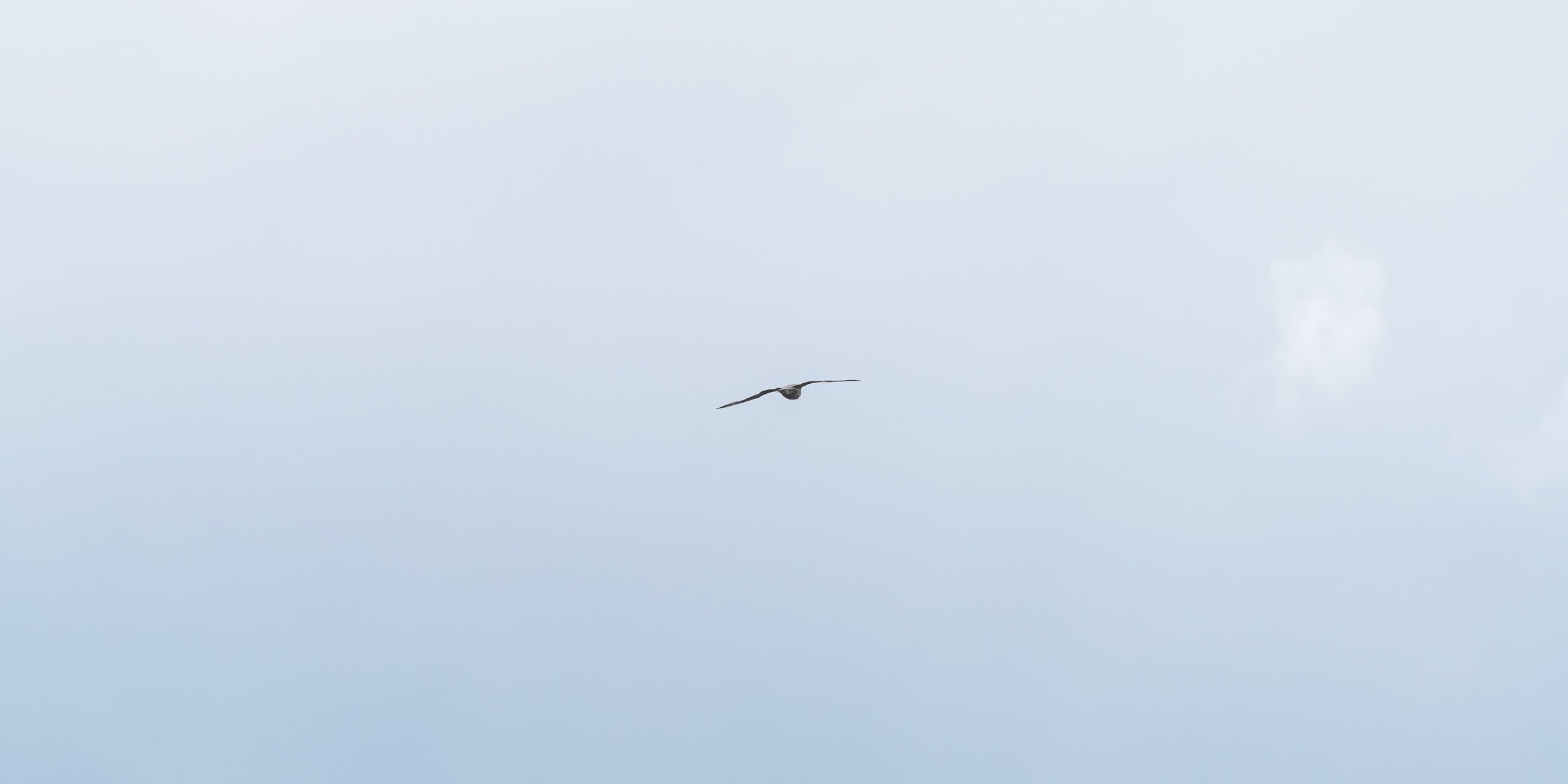
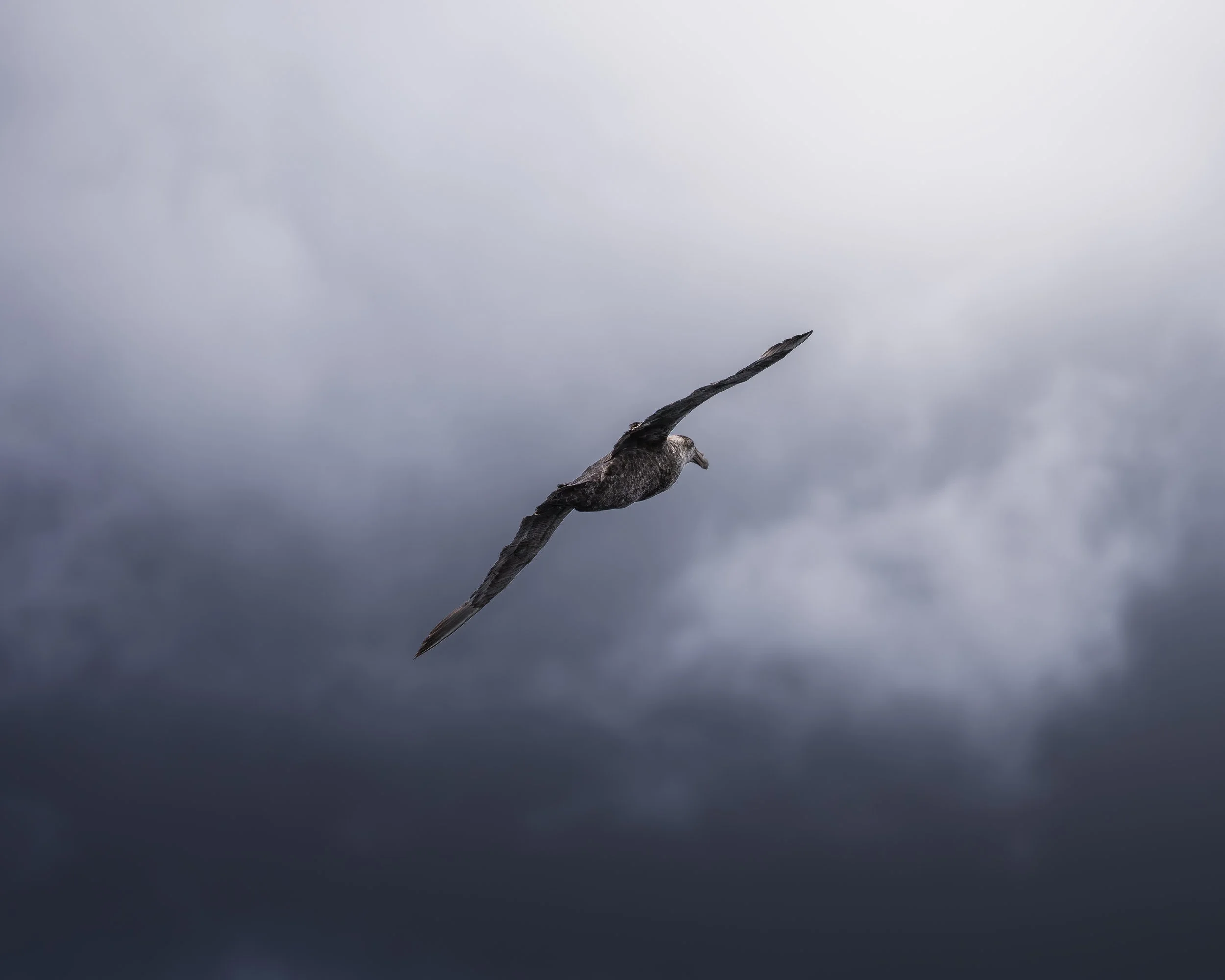
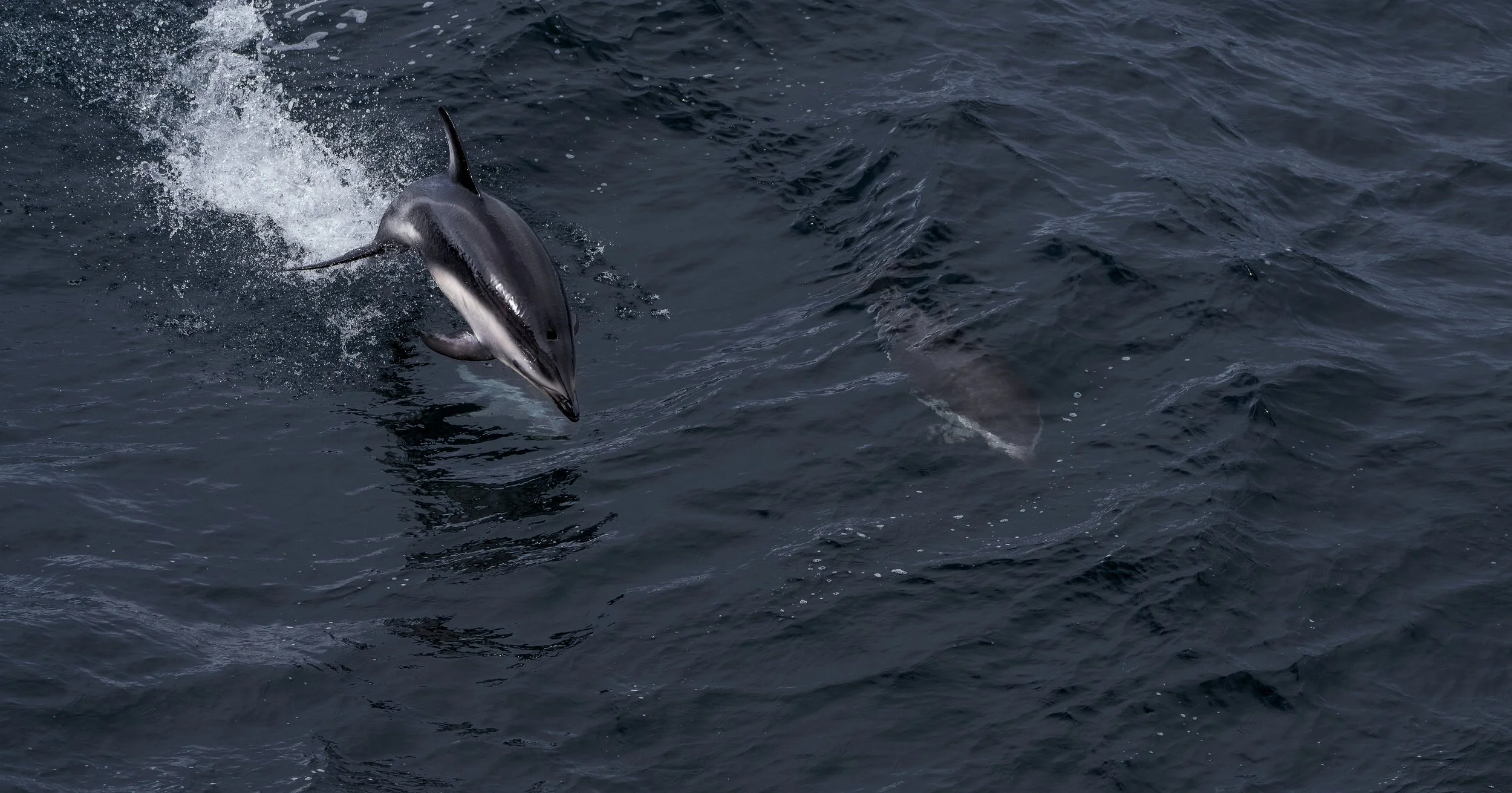
Not only that, there was a pod of Dolphins that stayed with us for a good part of the day. Playing around in the waves and jumping around the bow of the ship as we circled around just offshore awaiting our time to sail up the beagle channel.
We needed to wait for a pilot to board, to navigate us down the channel to the port of Ushuaia.
Onboard in the evening, we had the captains farewell dinner saying thanks and goodbye to the crew. Cocktails, beers, food and amazing company. Also, we had the results of the ‘photo of the trip’ competition run by the expedition team.
The top 10 photos were selected and shown on a screen by reception. Everyone aboard could vote for their favourite and the evening the winner was announced. There were some great shots, and I really wasn’t expecting it…. but I won!!!!
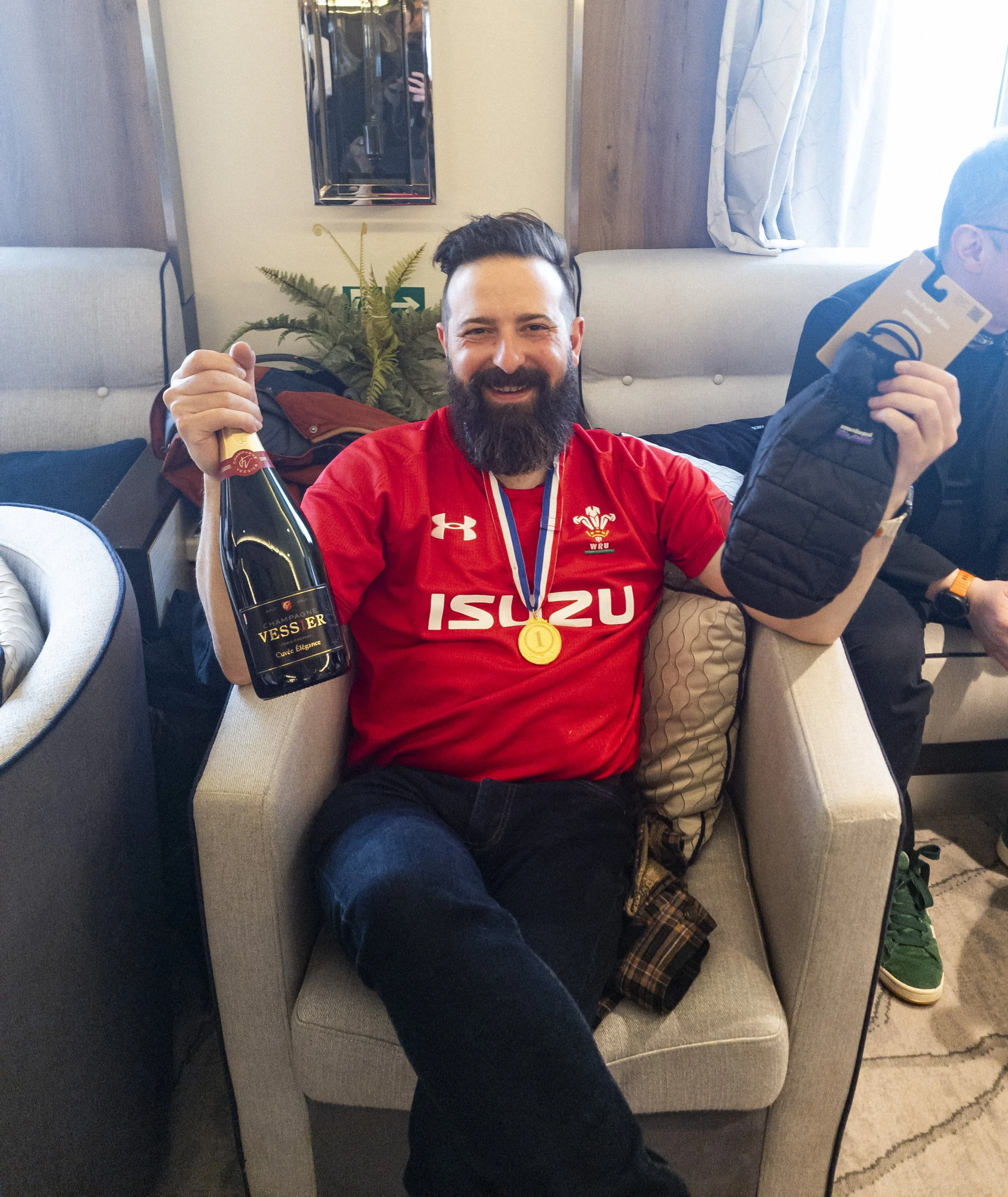
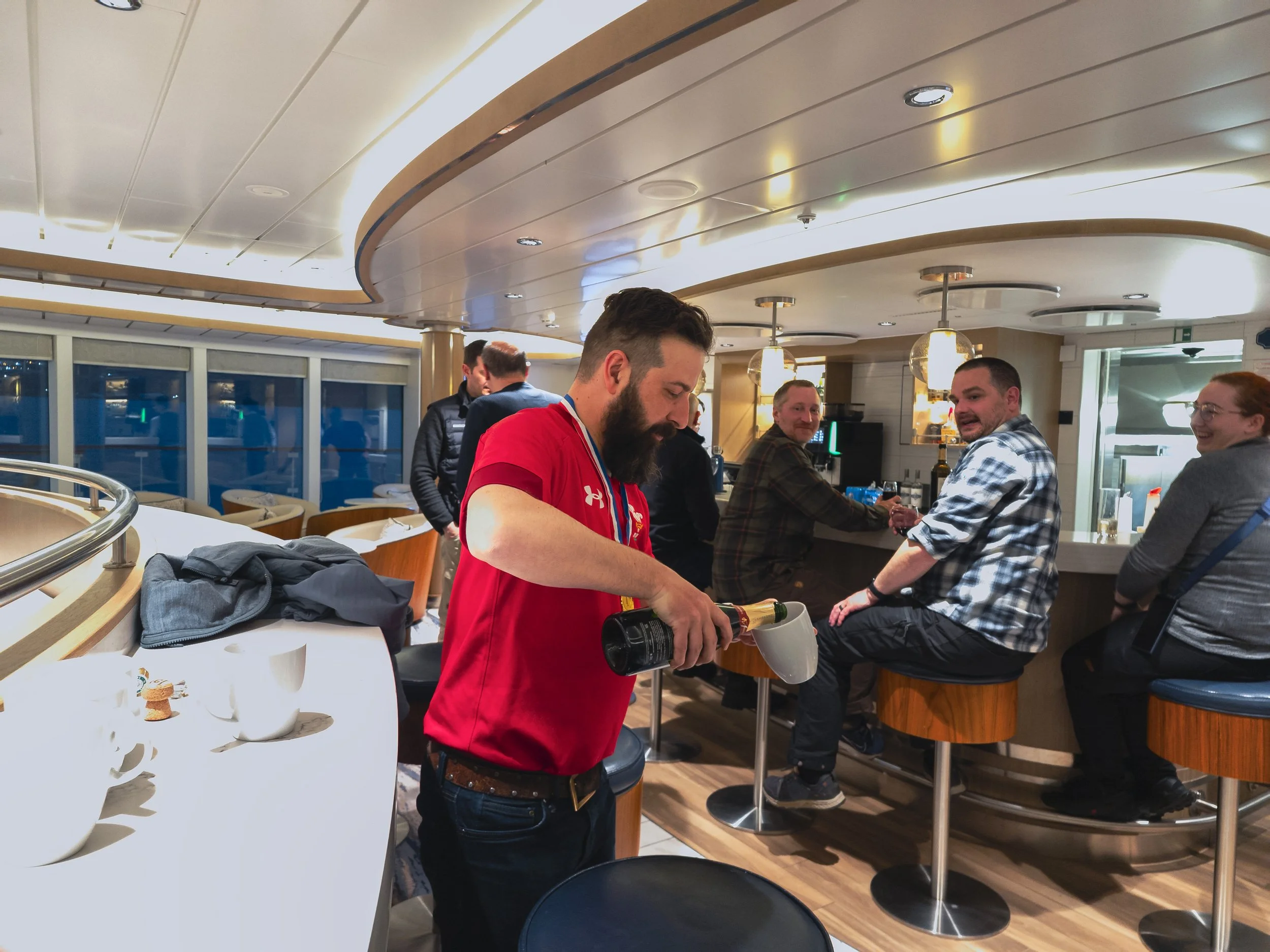
Some mittens and a bottle of bubbly. It seemed only right to share out the booze on the top deck bar after dinner. Couldn’t find proper glasses, so I decided to use mugs instead. I’m a classy man!!!
Day 11 - Disembarking in Ushuaia
It was an early start, the ship was going to be loaded up with 150 new passengers that afternoon and we were disembarking around 8-9am. Reality was starting to sink in… the trip was over. I was in the denial stage of grief as we walked down the gangway onto the dock.
This group of people were amazing, we’d had the best time. The best way I can explain it is when you go on a stag do, or a school trip that became a core memory with all of your friends, or the end of an amazing summer holiday and you’re on your first day back at school. It was sad, but we had a few more hours left to explore Ushuaia before we were flying to Patagonia
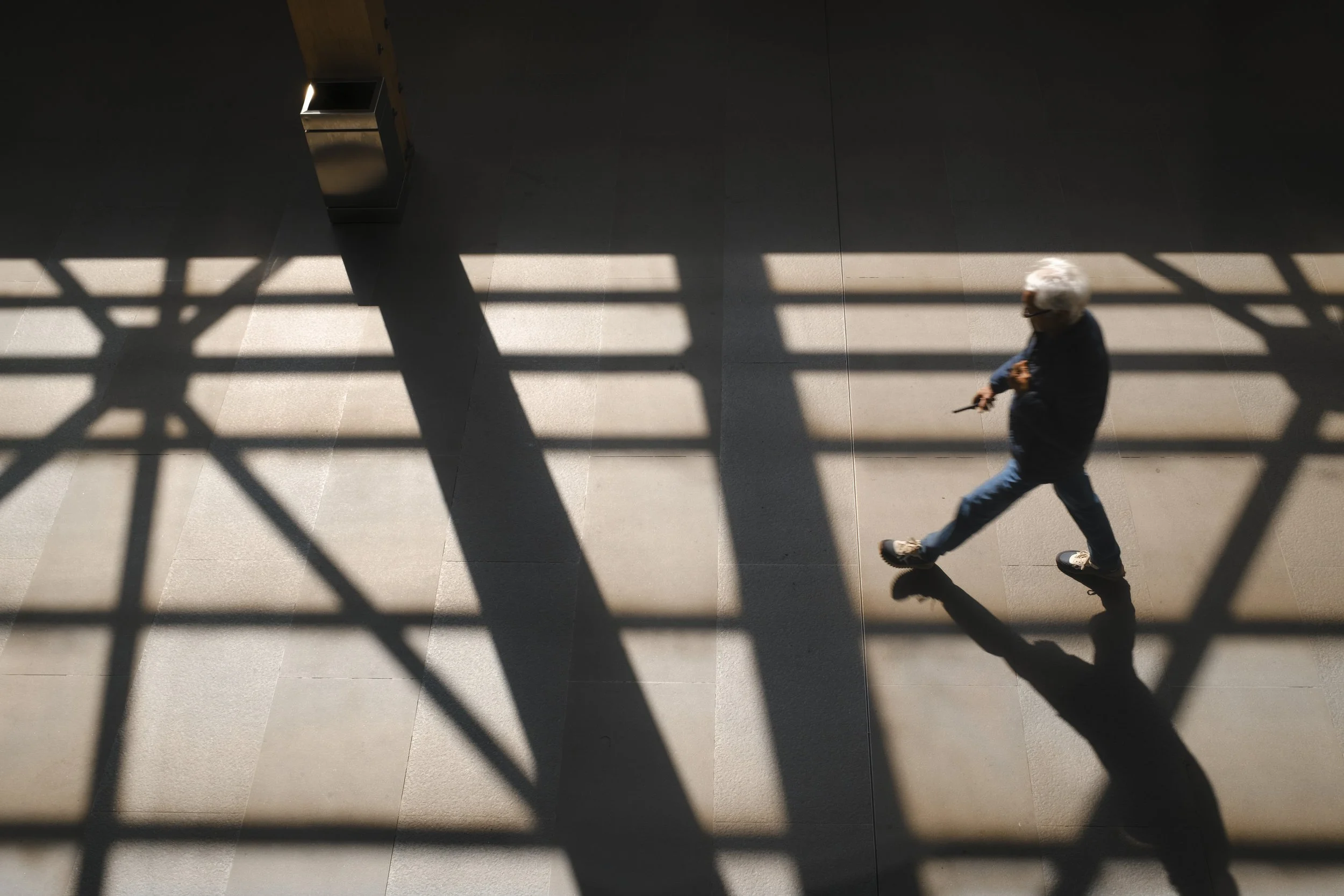
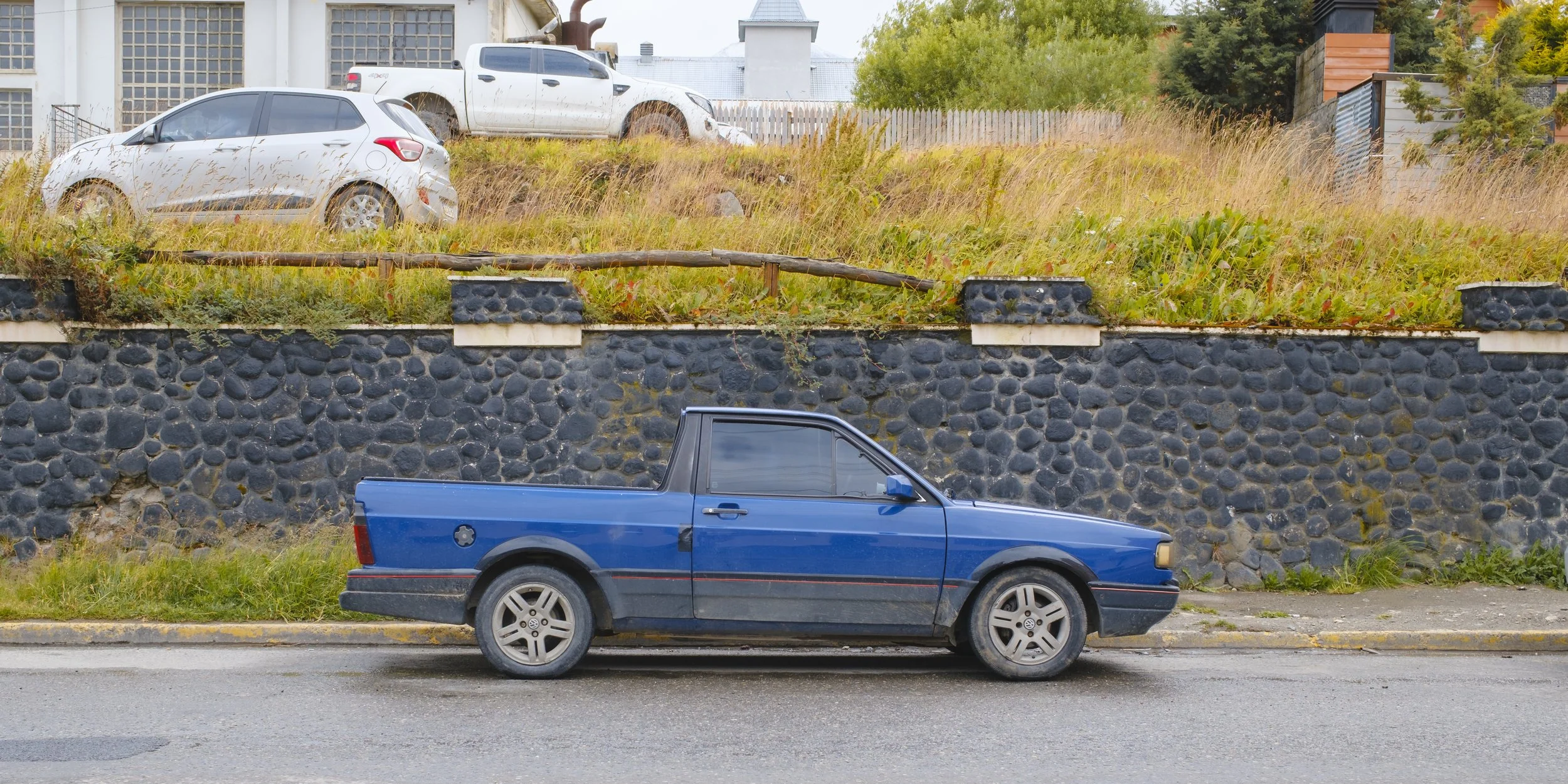
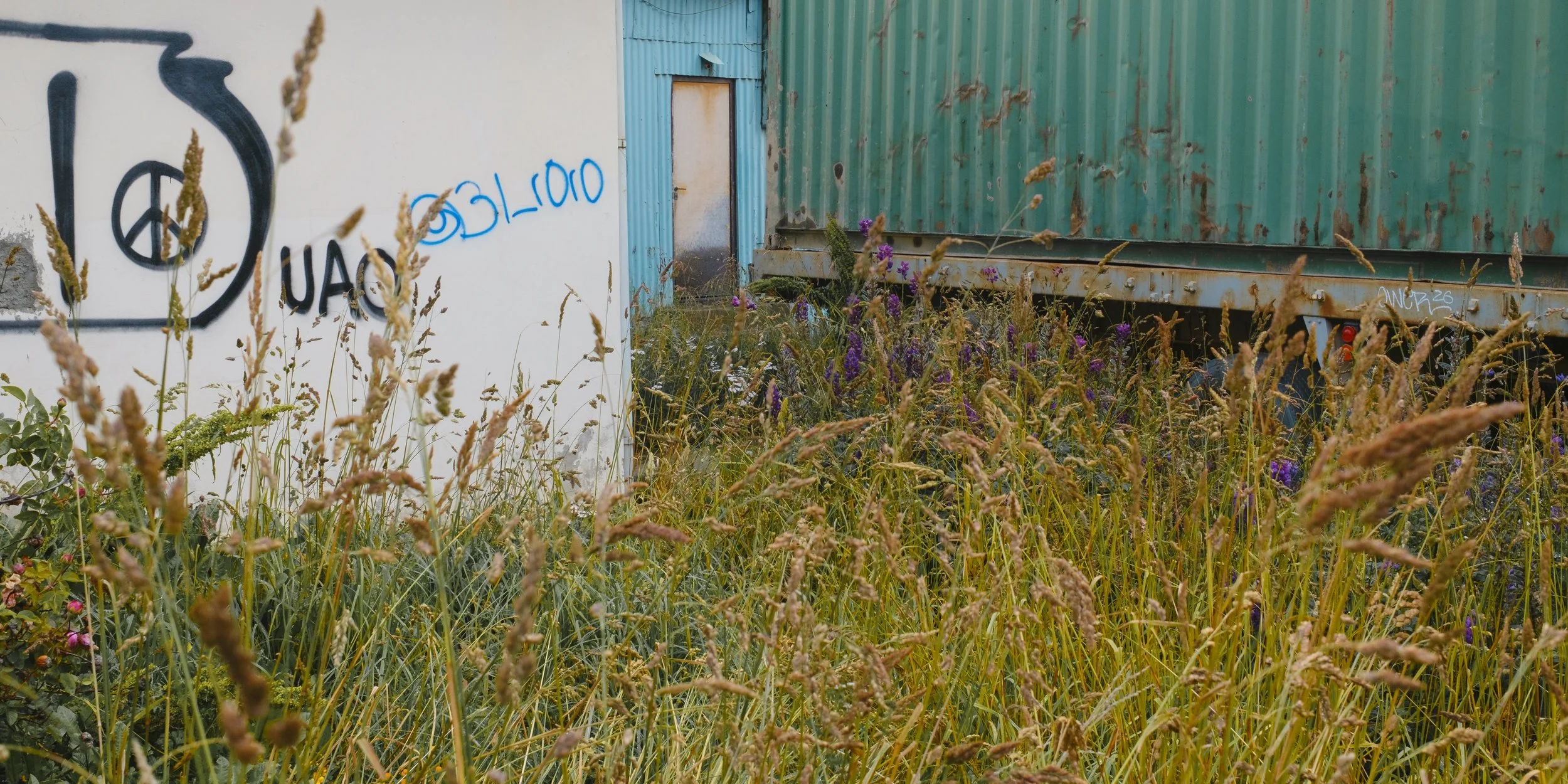
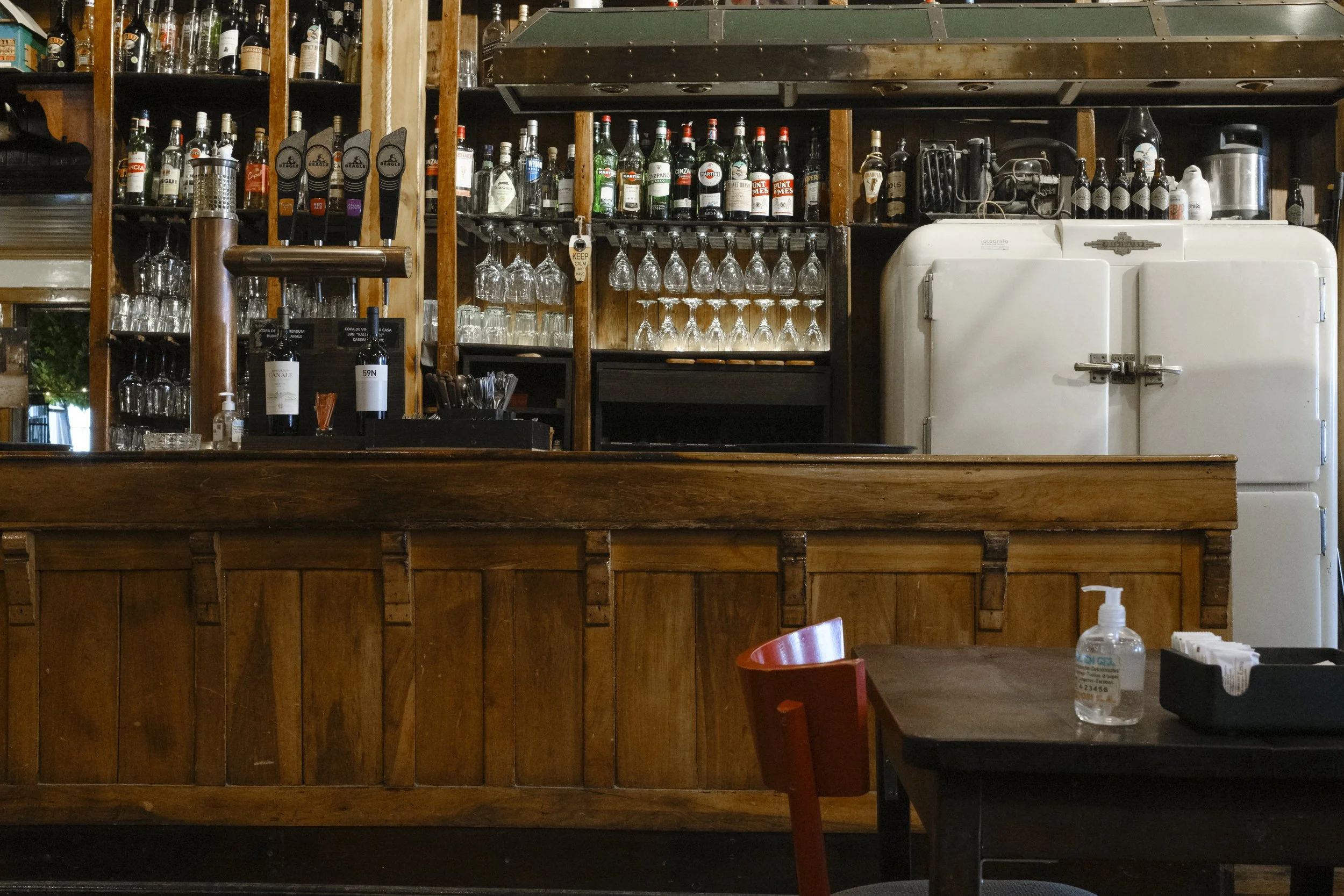
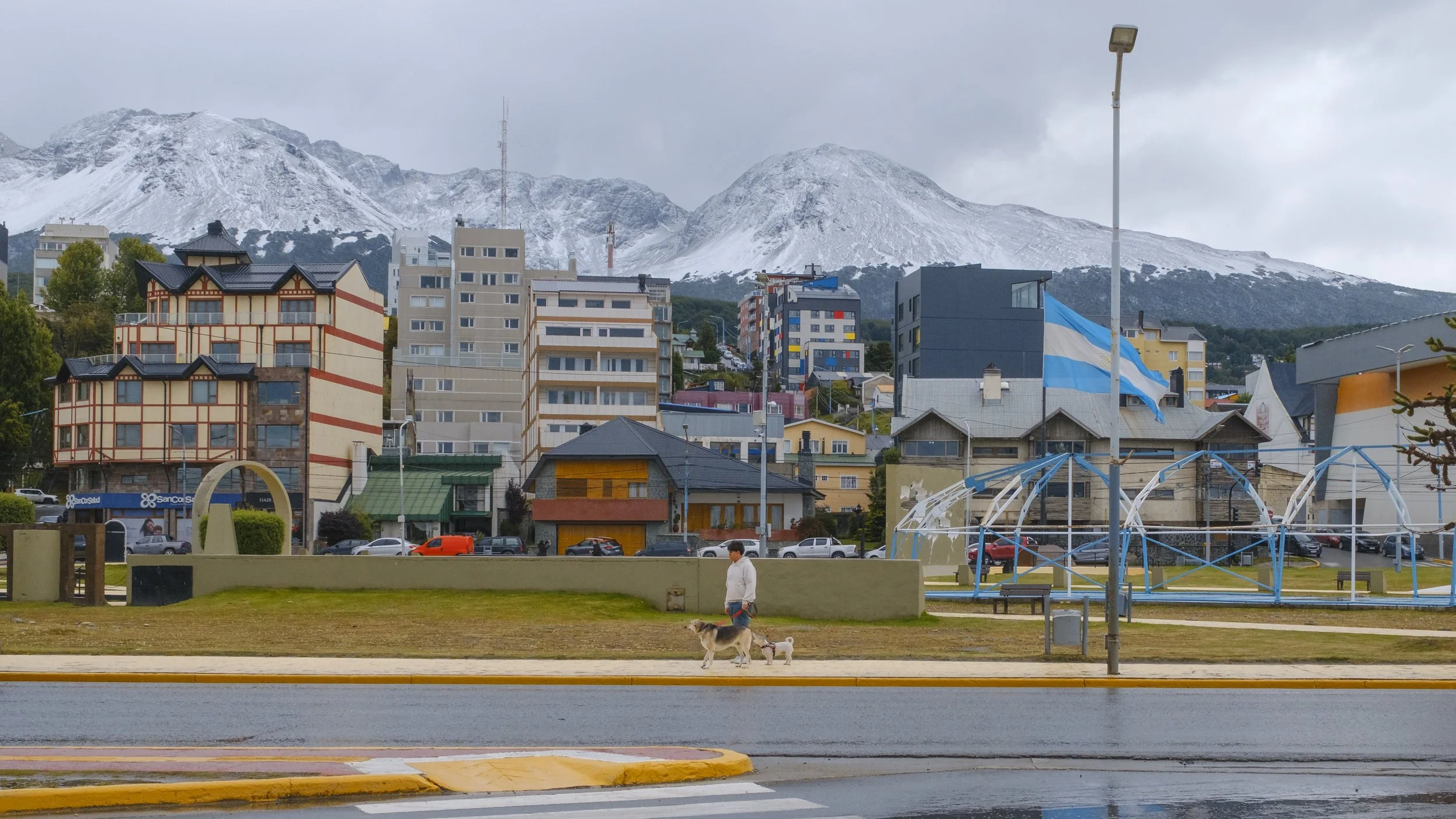
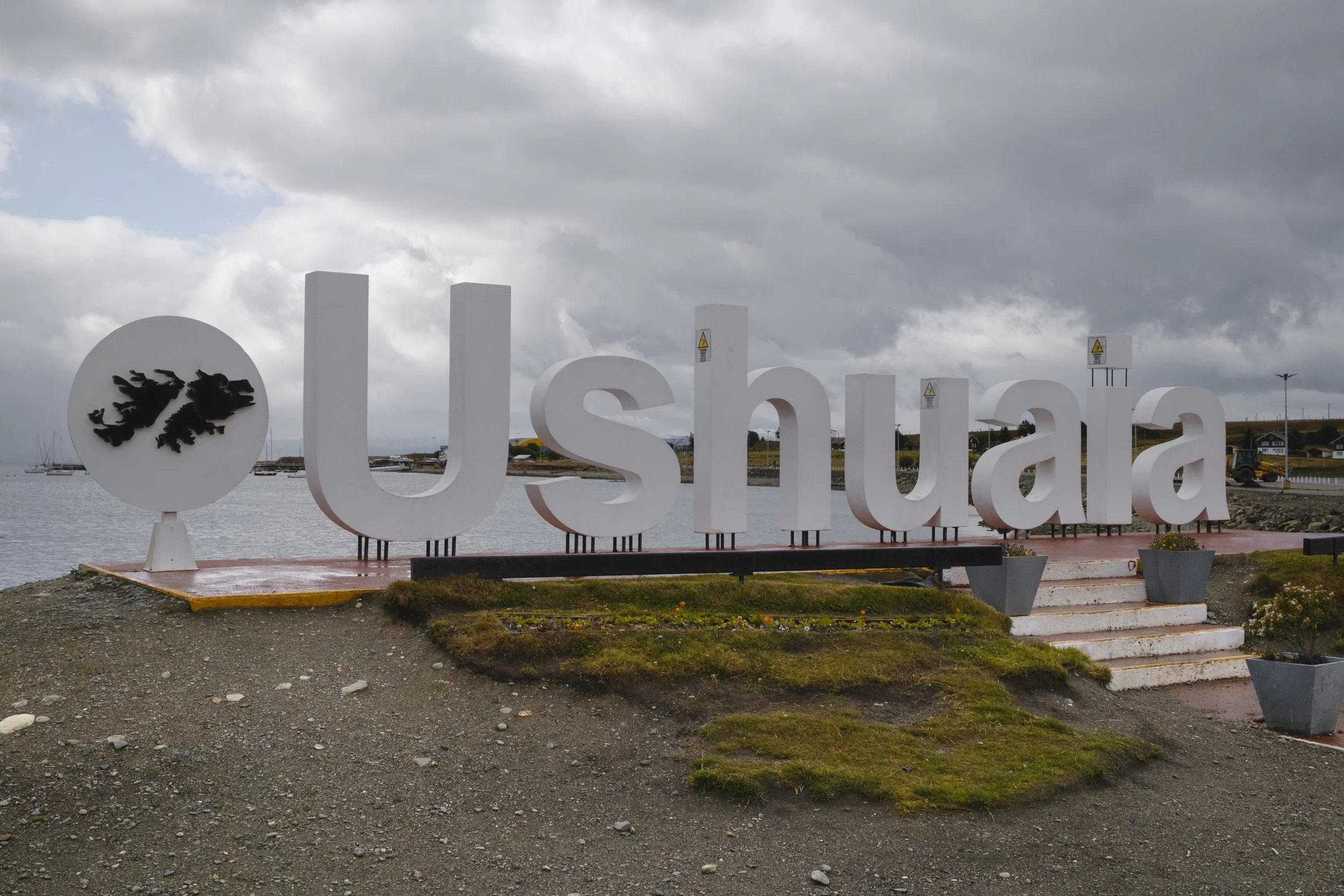
By early afternoon, we were in Ushuaia airport. Chaotic scenes at check-in and in departures as there were a few flights all trying to get out at the same time from an airport no bigger than a toilet cubicle… by that evening, we were in El Chalten, you can read that blog here
My Final Thoughts On Antarctica
Should Antarctica have Tourism?
It’s a conflict of emotions. Increasingly I am seeing creators chastise people for visiting places like Antarctica with the main argument being that tourism is damaging to the environment.
I can understand the sentiment, for sure. Over tourism has caused many problems in many different places from environmental damage to economic hardship for locals. Tourism has to be sustainable and responsible, and luckily Aurora Expeditions is part of IAATO which provides a ruleset to make sure it stays as such.
The lectures onboard are educational, you learn about the environment, the history. There are also opportunities to participate in community science initiatives like Happy Whale.
Upload a photo of a whale, note when and where the photo was took and unique identifiers will place that whale over time. Tracking age, migratory patterns. The dataset is now the largest individual identification resource ever built for marine mammals, producing great research results. Gotta love community Science
Would I go back to Antarctica? And Should you go?
In short, yes and yes. I really want go back. I love travelling to remote destinations. I’ve been to Lofoten, Iceland, Faroe Islands. Stood atop mountains and not seen a single soul for miles. That feeling of being in the wilderness is addictive. However none of those places can come close to how small and insignificant you feel in Antarctica.
It’s so remote, it’s raw nature, pristine. Ever since I’ve returned I have been longing for that feeling again.
However, I am also battling some guilt. A trip like this is a massive privilege, one few can afford. To go back would be the ultimate extravagance. Perhaps the thought that my photo’s can show what we could lose if we don’t change course on climate change is a small solace.
Enjoyed the blog? Watch The Video…
If you enjoyed this blog, why not watch the full Antarctica Vlog on YouTube. Or if you’re wondering what we got up to in Patagonia, there’s a couple of videos and blogs on those too!