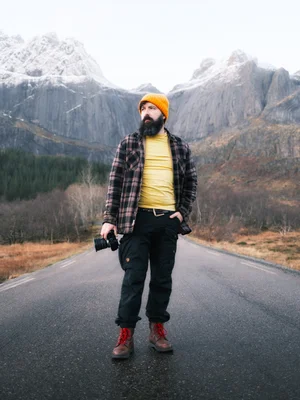
Fujifilm X100VI First Impressions: What I Loved, What Drove Me Mad, and Why I Bought It Anyway
A Sony shooter's honest take on the camera everyone on Instagram seems to own.
Why Did I Even Buy This Thing?
Let's be honest with each other from the start. I already have three Sony cameras. They cover everything I need. So on paper, buying a fixed lens compact with a price tag that makes your eyes water is a completely indefensible decision.
Except it wasn't entirely about photography.
When my grandad passed, he left me a little money. He was the reason I picked up a camera in the first place. He always had one with him, capturing family moments, everyday life, animals, anything really, just so he could put together a calendar for Christmas. We used to sit in his front room watching his holiday slides projected on the wall. Proper old school. Great memories.
So this felt like more than just buying a camera. It felt like reconnecting with what he actually loved about photography. He'd have absolutely approved of the retro looks. And knowing him, he'd have just bought it and worried about telling Nanny later.
That's the context. Everything else from here is about the camera.
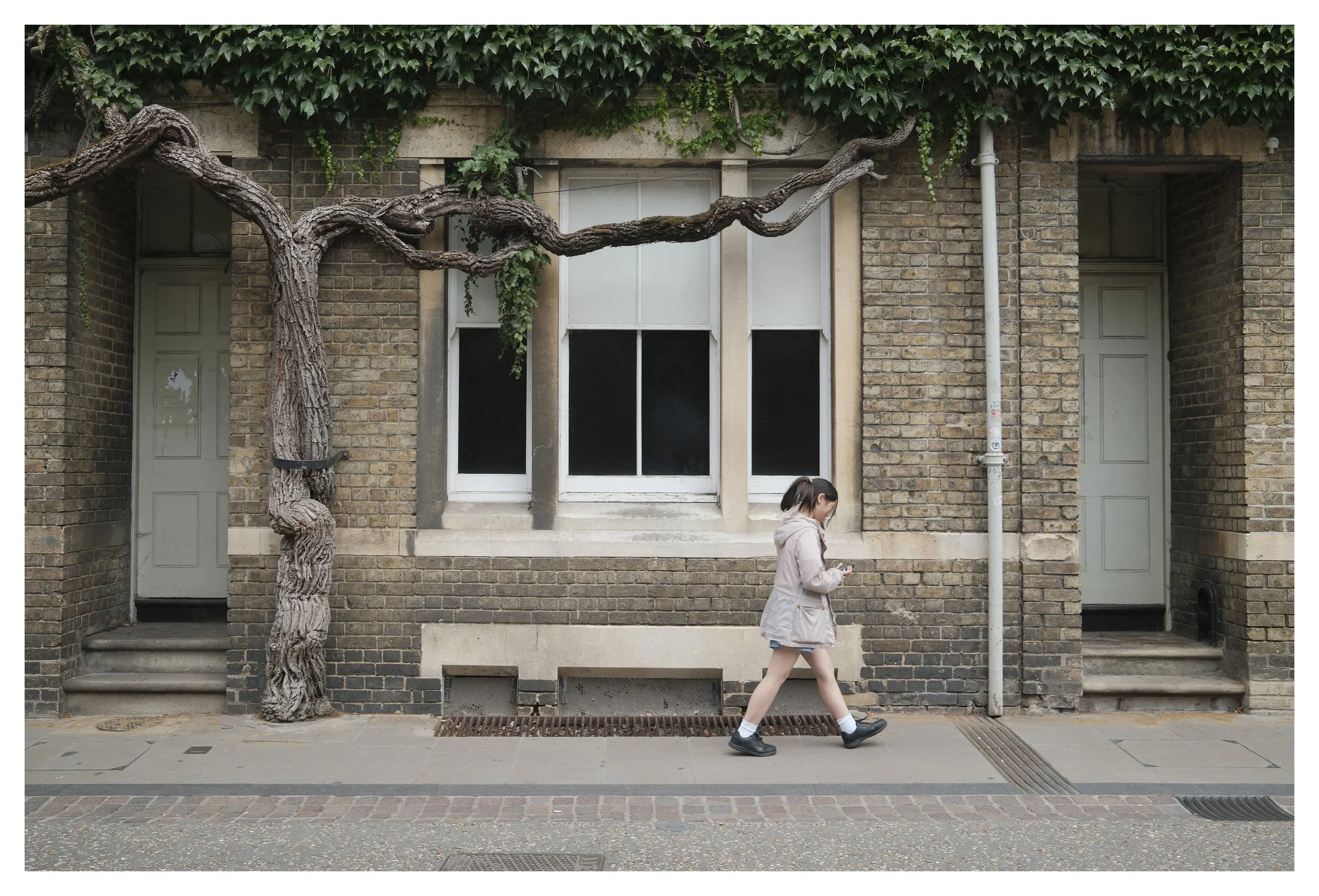
The Shoot: Oxford Botanic Gardens
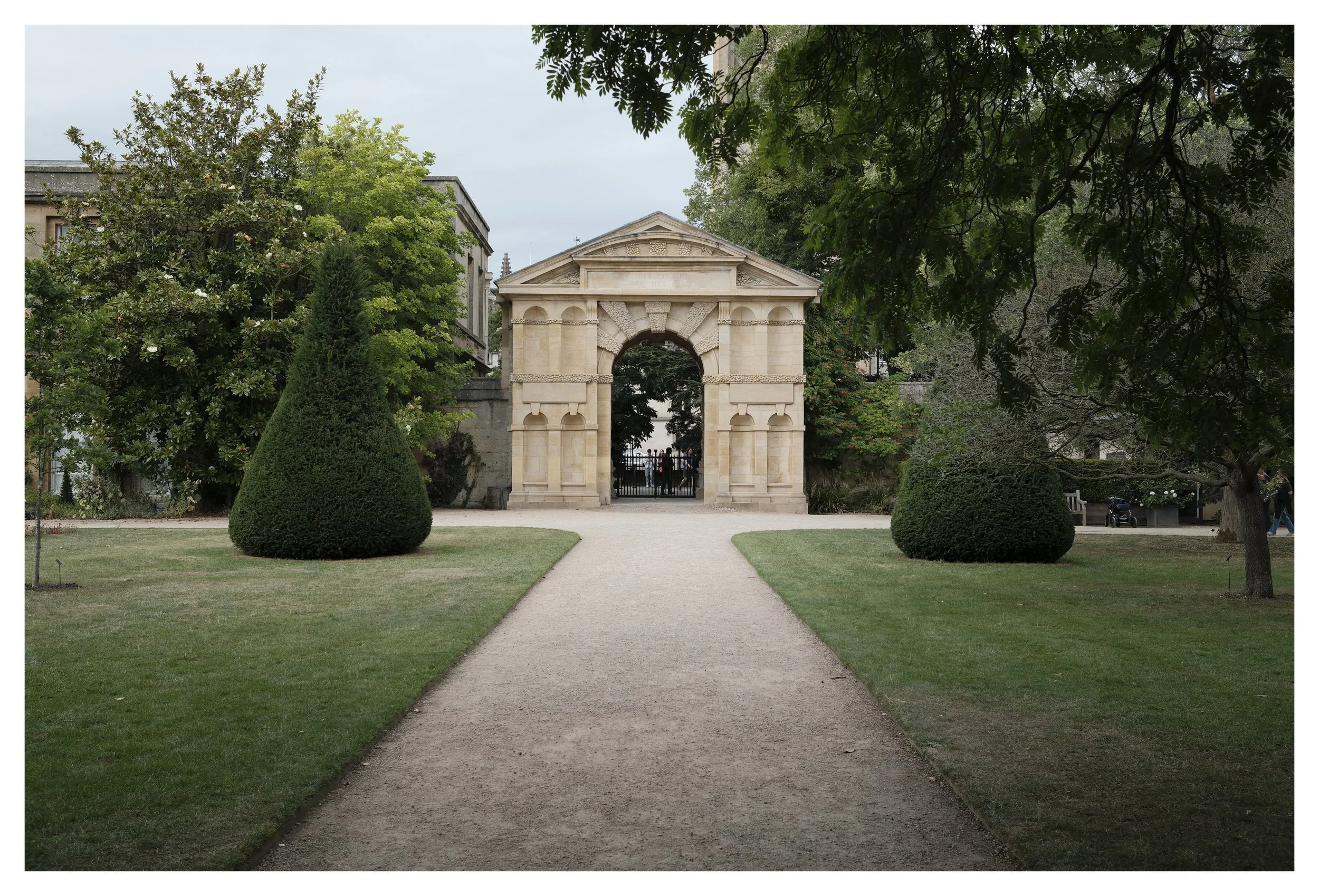
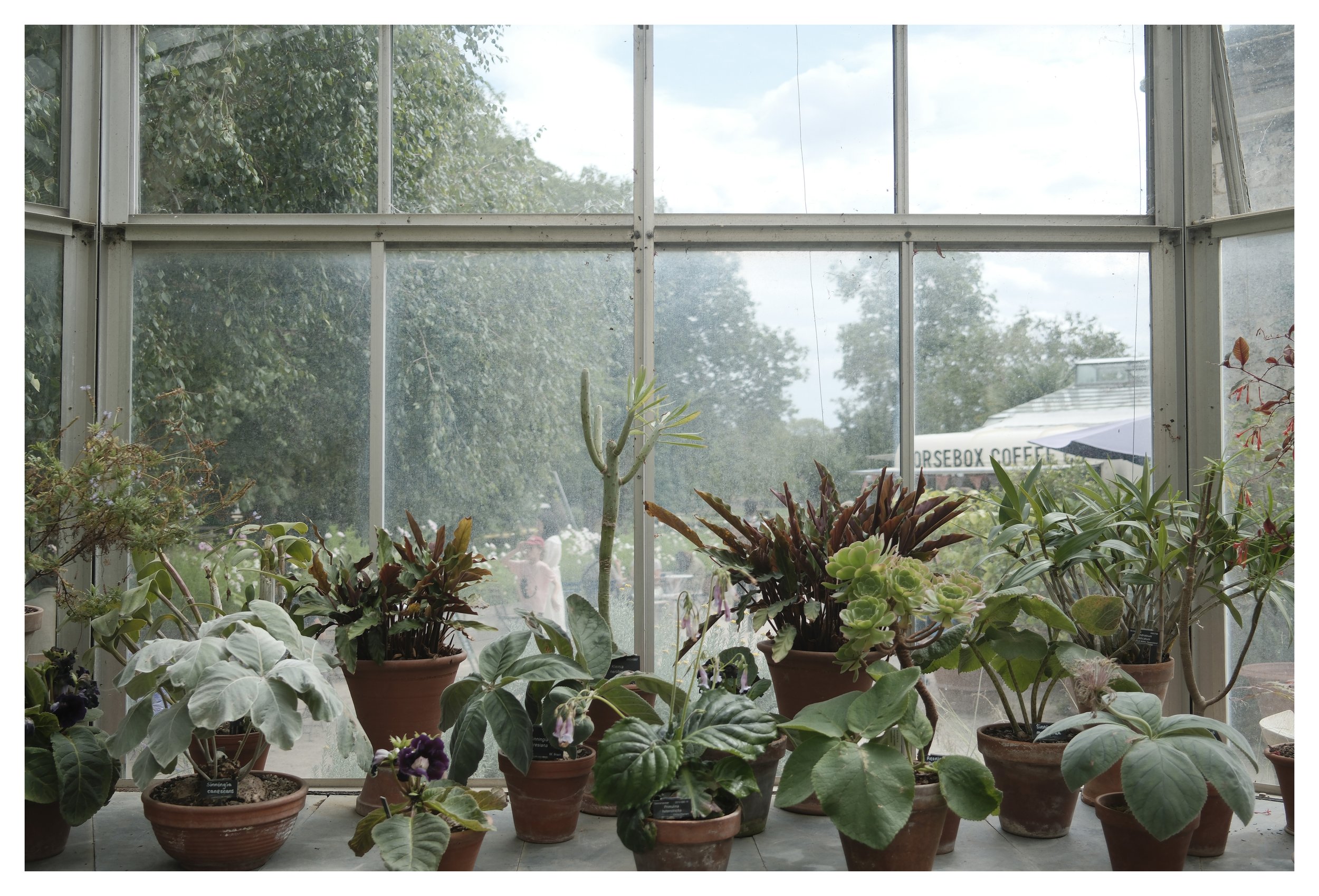
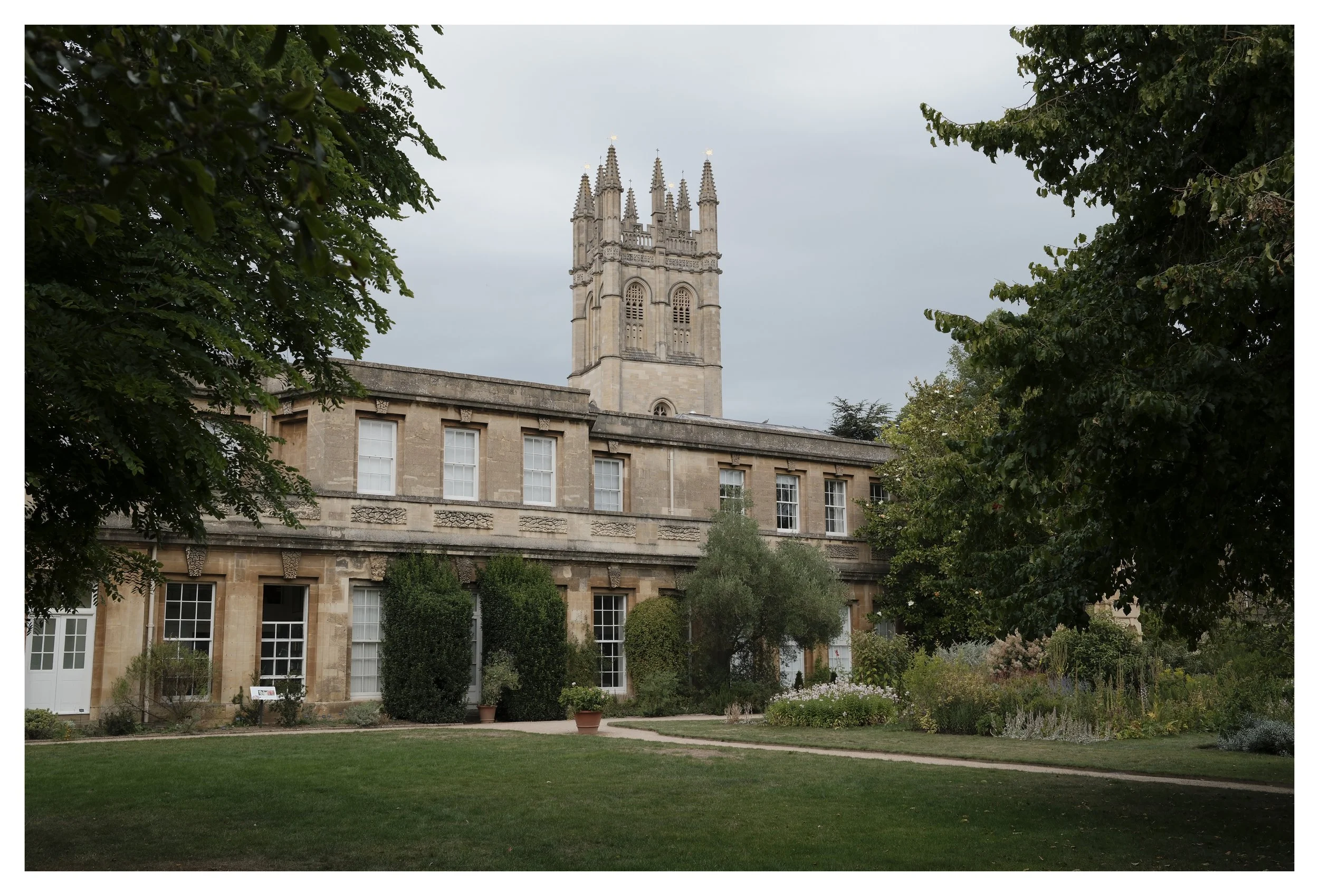
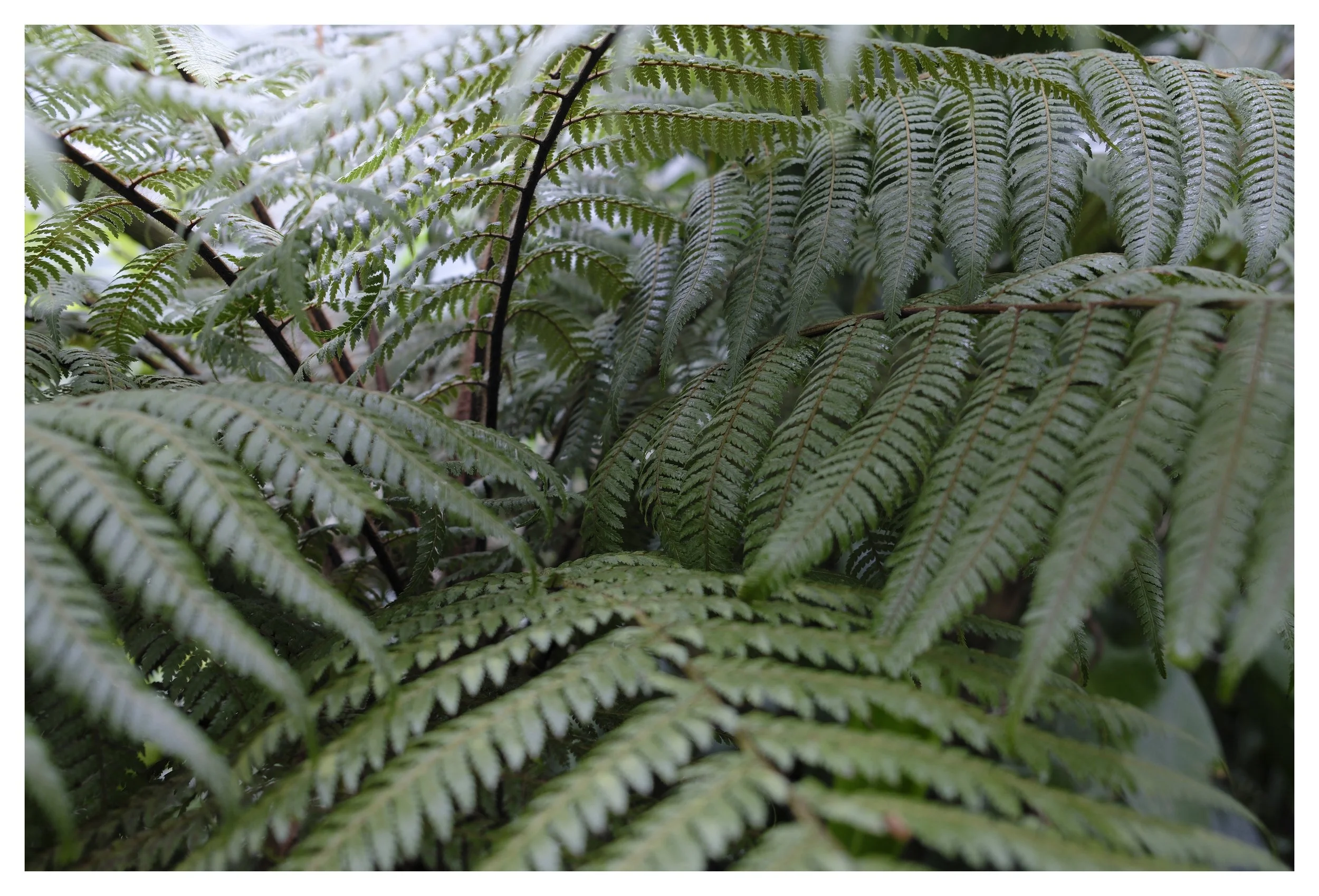
This first outing was in Oxford on a sometimes sunny Sunday afternoon. Cas wanted to practice her macro photography, so we visited the Botanic Gardens and Arboretum. Worth knowing: it's the oldest botanic garden in the UK, founded in 1621. Initially used for growing medicinal plants, frequented by both Tolkien and Lewis Carroll. Great place to shoot. Slightly too much history to get into right now.
The point is, it was a relaxed, wandering kind of day. Low pressure. Ideal conditions for getting used to something new.
What I Actually Liked
It's a Proper Travel Camera
Compared to my usual kit, this thing is tiny. Light. It fits in a jacket pocket. I love shooting on trips and days out, but I don't always want to lug the Sony A7R5 and a couple of lenses around. Sometimes you just want to grab something, throw it in a bag, and go. The X100VI is that camera.
The Dials Feel Like They Mean Something
The dials look fantastic and they're genuinely tactile. They were a little stiff at first, which might be intentional, a bit of retro resistance for authenticity, or they might just loosen up after a few thousand turns. Either way, there are no custom modes here. You're doing it the classic way: fiddling with the shutter speed and ISO dials as needed. The aperture ring on the lens is easy to adjust mid-shoot too, though that might just be because I've got hobbit-sized hands.
Most of the day I was in aperture priority with shutter speed and ISO on auto, an ISO range of 250 to 3200 set in the menu, and just let the camera do its thing.
The Build Quality is Genuinely Lovely
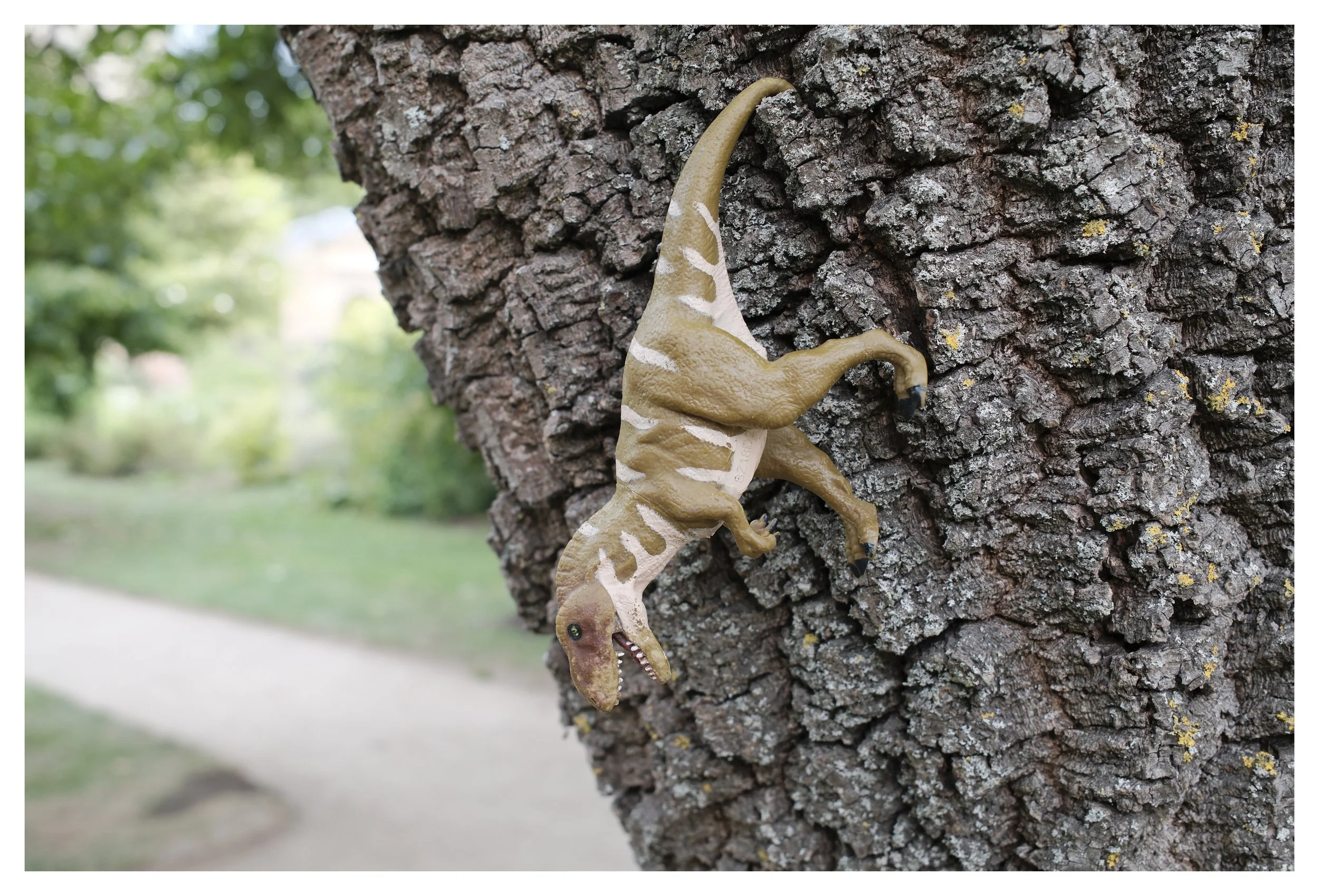
It has enough weight to feel solid and premium, but not so much that it becomes a burden. Every time I picked it up, or caught a glimpse of it around my neck, some part of my brain went: God, this thing looks cool. I've got a brass shutter button on it at the moment. There's a Pokeball one on Etsy that I've been eyeing up. Jury's still out.
The Image Quality is a Serious Step Up From Your Phone
40.2 megapixels. A sensor that's 4.5 times bigger than an iPhone's. That means more light, more dynamic range, and real creative control that no portrait mode can replicate. Shoot at f2 and you get genuine subject separation. Not a simulated blur. Actual bokeh.
You've also got a built-in ND filter for long exposures, a tack sharp 35mm equivalent lens, and full manual controls whenever you want them.
For video, the specs are no joke either: 6.2K at 30 fps, 4:2:2 10-bit, FLog and FLog2 for colour grading flexibility, 4K at 60 fps, and 1080p at 240 fps. Though honestly, 99% of what I shoot is 24fps, so most of that spec sheet is a problem for future me.
The Film Simulations Are Genuinely, Actually Good
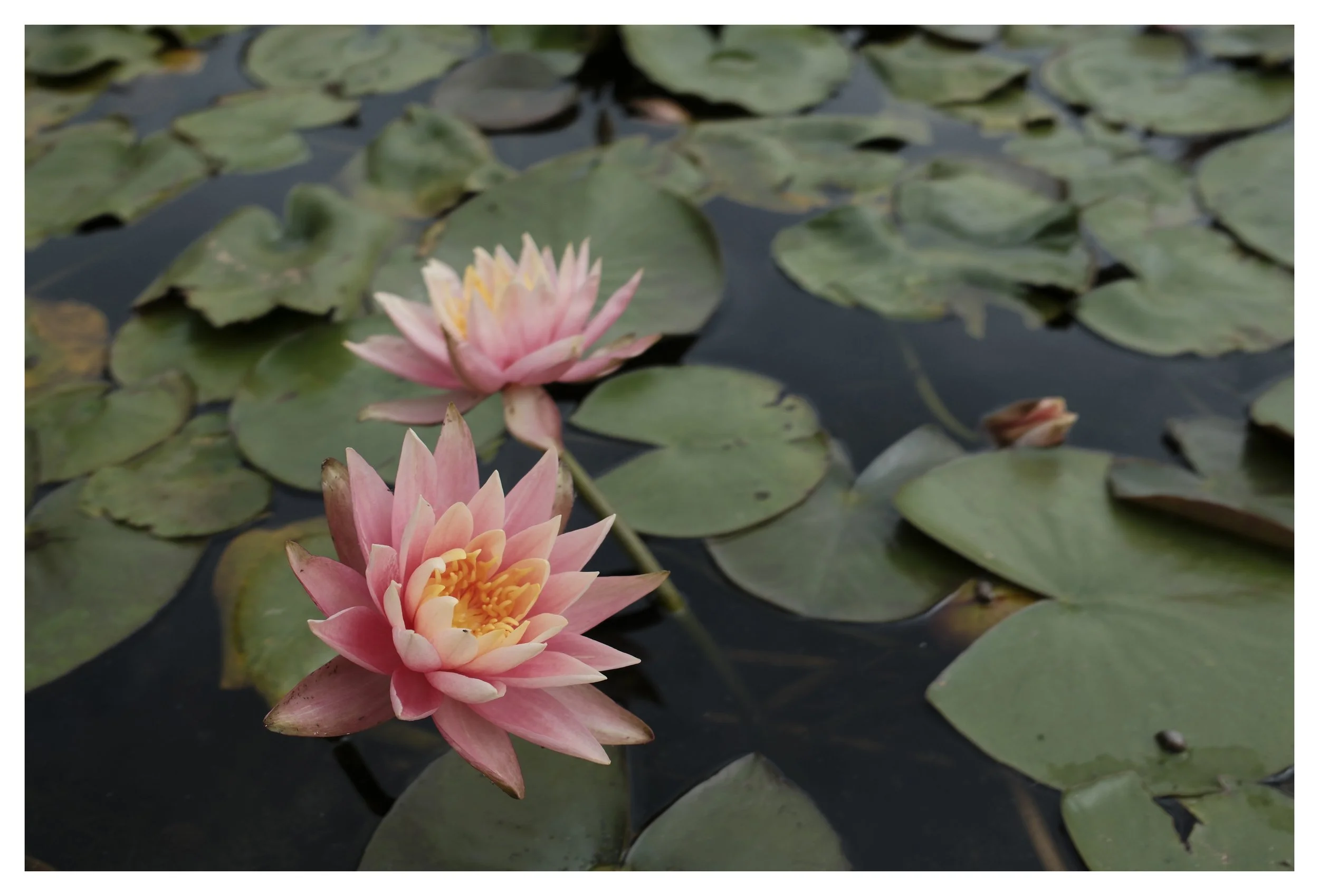
Twenty film simulations. I mostly used Provia Neg High and Classic Chrome for stills, straight out of camera, no tweaks. For video, I went with Eterna Cinema in SDR. No LUTs. No colour work. Nothing. And it looked brilliant. Rich, cinematic, completely usable.
I've mapped the film sim selection to the front command dial, which makes switching looks feel fiddly enough to feel involved, but quick enough that I don't abandon the idea halfway through.
There's always a bit of tribal nonsense around colour science, Canon vs Nikon, Fuji vs Sony, etc. But with twenty looks and endless tweaks available, it's not a science experiment. It's meant to be fun. Pick something that makes your photos feel how you want them to feel. That's the bit that matters.
The Fixed Lens Keeps You Honest
This is actually one of the main reasons I chose the X100VI over any interchangeable lens setup. Not just because hiding a new lens purchase from the missus is essentially impossible. But because there's something freeing about a fixed 35mm equivalent. It's classic. It's familiar. It's the same look as those old family prints stuffed in a shoebox in the attic.
And the lack of zoom? That's the point. It forces you to move. To reframe with your feet, not a dial. I've got lazy shooting on zoom lenses, standing in one spot, endlessly fiddling instead of actually changing my perspective. The fixed lens makes you commit. You see a shot, you go to it. Less convenience, more intention.
That shift in mindset is honestly the whole reason I bought this camera in the first place.
What Drove Me Slightly Mad
The Menu System is Peak Camera Industry
The menu is, to put it charitably, a bit naff. It gave me flashbacks to early Sony days. Overly complicated, mildly confusing, vaguely hostile. But honestly, I'm starting to believe that no camera brand actually knows how to build a decent UI. So it's exactly what you'd expect. Standard camera menu. Move on.
The Autofocus is Not a Sony
Coming from cameras that are basically the caffeine-fuelled overachievers of the camera world, the X100VI is, by comparison, more relaxed. Slower startup. Slower autofocus. A general "I'll get there in a minute" vibe.
For stills it's mostly fine. For video, it was a genuine challenge. There was one moment where I tried to lock focus on a specific branch using a tiny AF point and the camera essentially gave up. Just looked at me like I'd asked it to calculate pi. It's not unusable, but it's not the camera you'd reach for if you need reliable continuous autofocus.
The IBIS Could Be Better
I wasn't expecting miracles. But I was hoping for a bit more. Walking shots felt wobbly. Handheld pans were hit and miss. To be fair, I didn't have boost mode on, which is something to test properly next time. But even so, this isn't a run-and-gun camera. It's more "keep still and look artsy" than the kind of stabilisation I get from my Sony or a DJI Pocket.
Battery Life: Bring a Spare (or Two)
I wasn't hammering the video and the battery still dropped faster than I expected. Not terrible, but worth knowing. If you're out all day, plan accordingly.
XRAW Studio Tests Your Patience
On paper, using the camera's own processor to convert RAWs via USB is a clever idea. In practice, it is painfully slow. Go and make a cup of tea between changing settings slow. I wanted to love it. I still sort of do. But wow.
For this first outing, I ended up just using the JPEGs out of camera with the film sims selected at the time of shooting.
A Few Things I'd Like to See
Switching between stills and video through the drive mode menu works, but a dedicated switch would be nicer. I'd also love more aspect ratio options. Everything here is 3:2. I know the panorama mode has some 4:1 and 3:1 options, but I want an XPan-style 2:1 like Fuji have on their GFX cameras. They clearly know how to do it. And some better grid line options that don't cost the equivalent of a weekend away. (Looking at you, Sony. Disdainfully.)
The Bigger Picture
None of the negatives are dealbreakers. They're just things to be aware of, especially if you're coming from something like a Sony where everything feels immediate and efficient. The X100VI asks you to slow down. For better and for worse.
And once I fully get used to its quirks, I think I'll genuinely enjoy the process of shooting with it. There's something about it that invites deliberate photography. Which is, arguably, the whole point of the thing.
My grandad would have loved it. That counts for something.
What's Next
I want to properly dig into the HLG HDR video next and actually test boost mode on the IBIS during handheld video. There's also a lot more to explore within the film simulation settings, especially the ability to customise and nail the shot straight out of camera without ever opening Lightroom.
More nerding out to come. If that's your thing, stick around.
In the meantime, check out my gear page or head over to YouTube to watch the full video where you can see all the footage and stills from Oxford, or just click below!